





Amid deepening security concerns, the United States has temporarily barred its government personnel from visiting luxury hotels in Karachi following credible intelligence of a threat targeting high-end properties in the city. The US Consulate General in Karachi received specific inputs about a potential attack, prompting an immediate security alert and movement restrictions.
The advisory urged extreme caution in areas commonly frequented by tourists and foreign nationals, advising individuals to avoid crowded locations, maintain a low profile, and remain vigilant. With Pakistan already under a US travel advisory warning citizens to reconsider travel due to terrorism and potential conflict, this latest alert reinforces Pakistan’s growing reputation as a high-risk destination for Western interests.
The State Department often designates certain foreign locations, including hotels, markets, malls, and restaurants, as off-limits to its personnel in response to actionable threats. The move underscores the deteriorating security environment in Karachi and highlights Pakistan’s instability amid its internal challenges.
🚨🇺🇸 US EMBASSY in PAKISTAN issues SECURITY ALERT for Official US govt personnel to stay off-limits in the City of #Karachi, #Pakistan. pic.twitter.com/QiNu6U5s4a
— 𝗗𝗲𝗳𝗲𝗻𝘀𝗲 𝗗𝗮𝗴𝗴𝗲𝗿 (@DefenseDagger) August 1, 2025
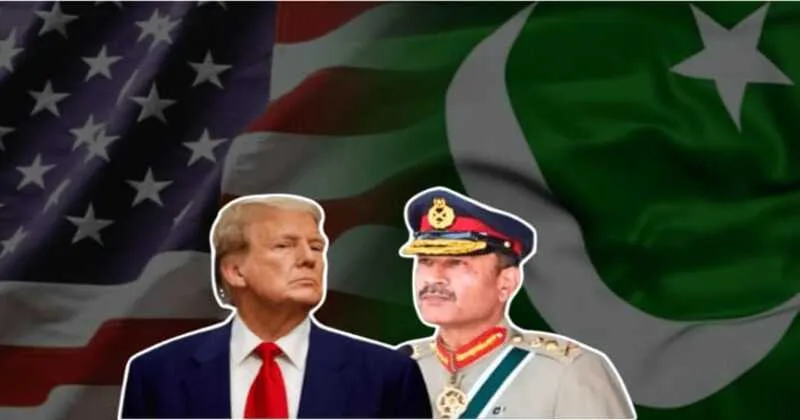
These developments come at a time when Washington and Islamabad are reportedly pushing forward a new energy-centric phase in their bilateral ties, driven more by strategic interests than genuine cooperation. Pakistan is reportedly set to receive its first U.S. crude oil shipment later this year, as part of a deal involving Vitol and Pakistan’s largest refiner, Cnergyico. The refiner plans to import 1 million barrels in October and is considering monthly purchases of US oil going forward.
While this energy collaboration is being projected as a diplomatic breakthrough, the reality suggests a transactional relationship where Washington views Pakistan primarily as an energy reservoir. The timing of the alert also coincides with economic negotiations, revealing a narrow focus on U.S. energy security rather than broader bilateral development.
Simultaneously, the U.S. administration has imposed a 19% tariff on Pakistani exports, a notable climbdown from the initially proposed 29% but still a significant blow to Pakistan’s export-dependent economy. The tariff decision, though softened, signals Washington’s continuing leverage and its intention to extract economic concessions while providing limited trade relief.
Islamabad has hailed the reduced tariff and emerging oil deals as major diplomatic wins, but the underlying reality reflects a pattern of exploitative engagement. As Pakistan reels from rising import bills and an economic crisis, fueled by its $11.3 billion oil import burden last year, its growing dependence on American energy and trade approvals exposes the asymmetry in the so-called partnership.
In the guise of cooperation, Pakistan is being pushed into the role of a strategic resource provider for U.S. interests, even as its cities become increasingly unsafe and its sovereignty compromised by external pressures.














Comments