





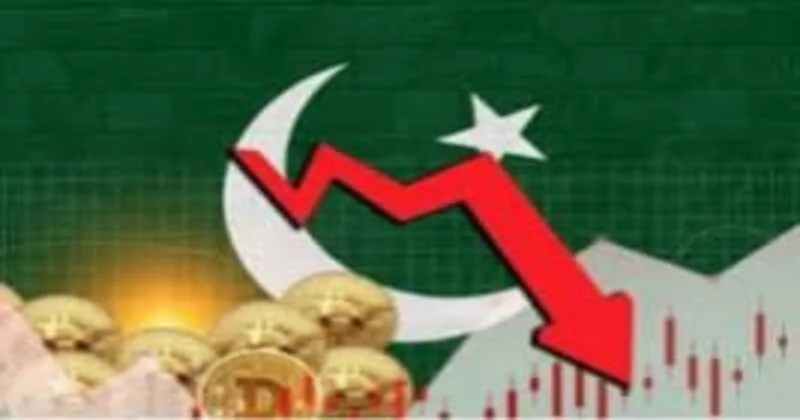
Pakistan is facing yet another major economic blow, as its trade deficit with neighbouring countries and regional partners has widened significantly. The latest report from the State Bank of Pakistan (SBP) reveals a staggering 29.42 per cent increase in the trade deficit with nine key nations, including India, China, Bangladesh, Sri Lanka, and Afghanistan, underlining Islamabad’s deepening economic vulnerability.
Despite Foreign Minister Ishaq Dar’s optimistic claim that a trade agreement with the United States was imminent, the Trump administration has offered no confirmation. US Secretary of State Marco Rubio, who acknowledged speaking with Dar on regional stability and bilateral trade, remained conspicuously silent on the prospect of any trade pact, a clear diplomatic snub that underscores Pakistan’s diminishing credibility on the global stage.
Much of Pakistan’s trade woes are rooted in its increasing reliance on imports, particularly from countries such as China, India, and Bangladesh, without a corresponding rise in exports. While Pakistan’s exports to the nine countries mentioned rose a meagre 1.5 per cent during June, July 2025 to $4.40 billion, imports surged by a whopping 20.66 per cent to $10.69 billion, widening the trade deficit dramatically.
Crucially, there is no formal trade between India and Pakistan, with all commercial exchanges routed through third-party countries such as Sri Lanka and the UAE. India, which has effectively isolated Pakistan diplomatically and economically in response to Islamabad’s continued support for cross-border terrorism, appears to be gaining the upper hand. By leveraging strategic partnerships and regional trade blocs, India has squeezed Pakistan out of vital trade corridors.
Further compounding Pakistan’s woes is a drastic decline in exports to Central Asian nations. According to the SBP, exports to Kazakhstan, Tajikistan, Kyrgyzstan, Turkmenistan, and Uzbekistan fell from $288.23 million to $197.06 million. In sharp contrast, imports from these countries soared by 411 per cent, exacerbating Pakistan’s trade imbalance.
Trade with Iran, meanwhile, remains largely informal. There is no official data, as transactions are conducted through a barter system, Pakistani goods in exchange for Iranian products, with no currency involved. Smuggling of petroleum and LPG from Iran via the Balochistan border remains rampant, further weakening formal trade channels and highlighting the breakdown of border regulation.
Caught between internal instability, regional isolation, and an aggressive diplomatic offensive from India, Pakistan’s trade crisis reflects the broader collapse of its economic strategy and global credibility.














Comments