





Kashi is the spiritual heart of India, a city with an unfolding cosmic story written with mandirs, ghats and the Ganga. While the Ganga receives blessings of saints, there are hidden gems across Kashi’s ancient landscape. These gems are the sacred kunds (stepwells or ponds) that hold the echoes of stories, faith and centuries of spiritual practice. These kunds are more than reservoirs; they are cultural touchstones, each with its own legend, ritual significance, and community memory. Five such kunds —Lolark Kund, Manikarnika Kund, Durga Kund, Lahartara Kund, and Kapildhara Kund —draw their mythological roots and continue to hold cultural relevance.
Lolark Kund: A promise of life
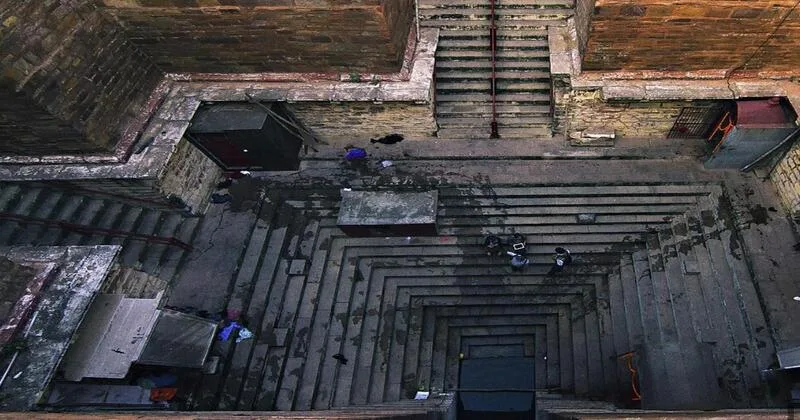
Situated in the southern part of Kashi near Tulsi Ghat, Lolark Kund is one of the city’s oldest sacred stepwells, associated with Bhagwan Surya. The name “Lolark” means “Trembling Sun,” symbolising the living power of sunlight reflected upon its ancient waters.
According to the Kashi Khanda of the Skanda Purana, this kund was formed when the Sun descended to earth to bless the infertile. Women who bathe in its waters on Lolark Shasthi, observed in the month of Bhadrapada (August–September), are said to be granted fertility. The ritual is deeply symbolic for women, newly married or women struggling to conceive, who immerse themselves at sunrise in the kund and leave behind clothes as well as personal items, which signifies the surrender of ego and renewal of hope.
The kund is architecturally rectangular with steep ghats and no visible inlet or outlet. During the varshik(annual) mela, the steps are lined with fruits, garlands and diyas. Vendors sell trinkets and bangles, while priests chant mantras. This morning, the quiet corner of the city becomes a vibrant centre of devotion, maternal yearning and communal faith. Despite occasional neglect, the Lolark Kund remains a shining reminder of how water bodies in Kashi are not passive sites, but active agents of divine intervention.
Manikarnika Kund: Death and Moksha
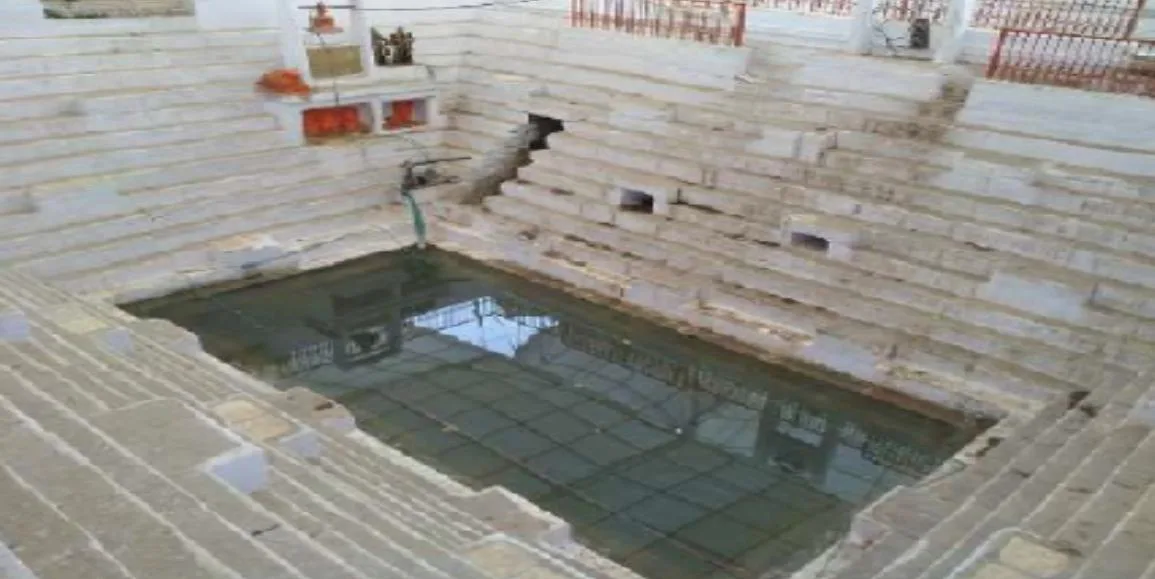
No place in the world can capture the convergence of death and liberation like Manikarnika Ghat. At its heart lies the Manikarnika Kund, one of the oldest and most revered sacred waters in India. The kund is also said to have been created by Bhagwan Vishnu with his chakra to welcome Bhagwan Shiva and Parvati during their visit to Kashi. Thus, it is also known by the name of Shri Manikarnika – Chakra Pushkarini kund.
It is believed that while watching the cosmic dance of Shiva and Vishnu, Parvati’s earring (mani) fell into this kund. Another version of the story says that Vishnu’s chakra dug the kund, and Bhagwan Shiva, moved by his devotion, shed a tear, sanctified the spot as the convergence point of time and eternity. This kund is not only a place of ritual but also a metaphysical centre or a Shakti Peeth.
Cremations ritual take place just a few feet away. The sight of flames touching the air, ashes falling into the Ganga and monks meditating nearby is very overwhelming. But at the kund, silence reigns. Pilgrims often pour milk or Ganga water into the well to seek spiritual blessings. It’s a powerful paradox, while the ghat exemplifies the end of life, the kund represents the timeless presence of birth.
Even in the face of rapid urbanisation, the kund still has spiritual gravity. It is not merely a pond, it is the womb of eternity where the soul promises to rise again.
Durga Kund: A source of feminine power
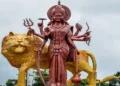
Located beside the iconic Durga Mandir, the Durga Kund is another significant water body of Kashi. Infused with feminine divinity and protective power. This square tank, now encased within railings and surrounded by flowering trees, was once directly connected to the Ganga through a canal system and was integral to temple rituals.
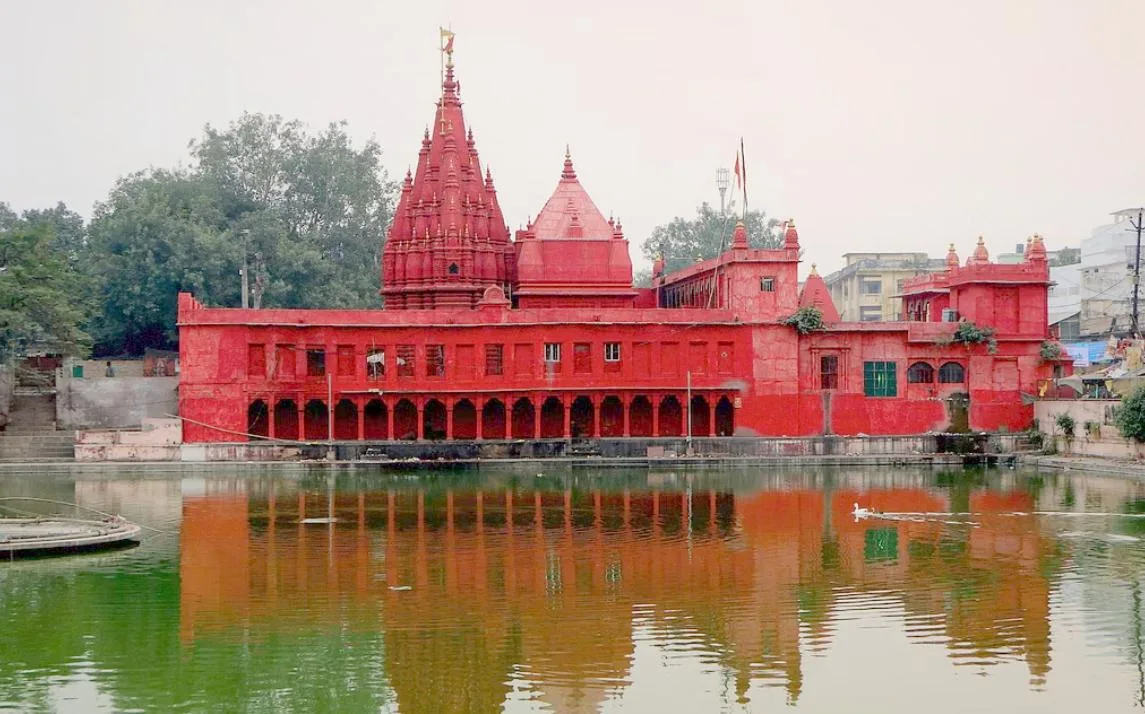
Constructed in the 18th century by Rani Bhabani of Natore (present day Bangladesh), a prominent temple in Kashi built in Nagara style, the kund’s religious role is linked to a fascinating legend. According to folklore, Devi Durga appeared here to protect Princess Sashikala and her lover Sudarshan. The royal family of Kashi opposed this secret marriage. The grateful devotees, in recognition of the divine intervention, established both the temple and the kund to celebrate this divine act.
The kund hosts rituals during Navratri, where thousands of women offer prayers, diyas and turmeric-colored water to honour Shakti. Children flies kite nearby temple while elderly women chant hymns at the edge of the steps. In a world where most sacred ponds are masculinised through associations with Shiva or Vishnu, Durga Kund stands out as a sanctified feminine space a proof of divine protection and maternal love.
Recent conservation efforts have improved the structure and water quality, making it a rare example of a traditional kund surviving the tide of time, with both its spiritual and civic value.
Lahartara Pond: Silent song of Kabir
In the heart of Kashi, there lies a largely forgotten yet deeply revered pond, associated with one of India’s most profound spiritual voices, Sant Kabir. According to legend, Kabir was a 15th-century poet-saint and mystic who was found as an infant floating on a lotus in this pond.
Lahartara Talab was a sprawling 17-acre lake. Pilgrims and Kabir Panthi followers would gather here to celebrate the saint’s birth, follow his teachings of universal love and offer prayers. The story of his miraculous appearance is more than a myth, which encapsulates the combined ethos of Kashi, where religious boundaries blur in the shared waters of faith.
In present, only about 3.5 acres of it remain under conservation. The rest has been lost to encroachment, garbage dumping and bureaucratic insensibility. Yet every year on Kabir Jayanti, hundreds of devotees still arrive singing his couplets, lighting lamps and recalling his message that “Jal mein kumbh, kumbh mein jal hai” the divine exists both within and without it. The pond continues to reflect the silent resilience of Bhakti, its waters carrying centuries of revolutionary devotion.
Kapildhara Kund: Free from rebirth cycle
Kapildhara Kund, situated at the western edge of the Panchkroshi Yatra route, is closely linked with Kapila Muni, the ancient Vedic sage and philosopher known for founding the Samkhya school of thought. According to legends, Kapila Muni meditated here and installed a Shiva linga, Kapileshwar Mahadev, beside a sacred pond that came to be known as Kapildhara.
Unlike other kunds in the city centre, Kapildhara lies in much quieter surroundings, preserving its aura of retreat and contemplation. The kund was renovated in the 18th century by Queen Ahilyabai Holkar, a devout Shaivite from Madhya Pradesh. She ensured the upkeep of the water body and temple complex, thus making this kund an enduring part of Kashi’s sacred geography.
Pilgrims also halt here as a fifth halt of the Panchkroshi Yatra, bathing in its waters before proceeding to plant oat saplings in the Ganga at Jaun Vinayak. Locals believe that a dip in Kapildhara is as creditable as offering of pind-daan in Gaya. The kund therefore becomes a portal of getting rid of the ancestral debts and for closing a rebirth circle.
The stillness of Kapildhara kund invites not only devotees but also the seekers, who come not to ask but to listen, the murmur of water, the whispers of the stories and the endless chanting of mantra of an eternal city.
Circles of devotion in pools of time
The Kashi kundas are not simply bodies of water; they are vessels of memory, myth and meaning. Every kund has a different story: from fertility to the fire of death and rebirth, of feminine power, of the Bhakti revolution, and philosophical depth. Some of these kunds have been carefully preserved, while others have been lost to ignorance or have become the victims of urbanisation. But their spiritual power remains the same. In a city where faith is not confined to form but flows like a river, these kunds are the city’s silent sentinels, which hold up mirrors to the centuries of devotion faded and rising. They challenge us not just to save them physically but to reconnect with them emotionally and culturally. As the Ganga keeps flowing through Kashi, may the kundas keep retaining their echoes in stillwater, in holy mantras and in the hearts of all listeners.














Comments