





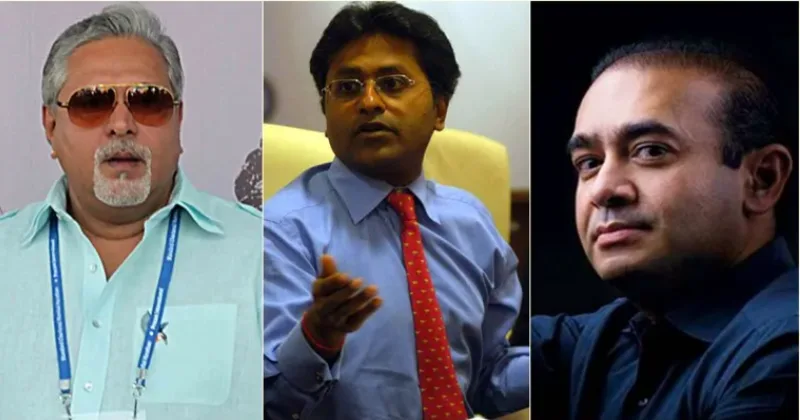
Prime Minister Narendra Modi’s recent visit to the United Kingdom marks an important moment in Indo-UK relations. The signing of a historic trade agreement comes with a renewed focus on the return of high-profile economic fugitives. India’s commitment to bringing individuals like Vijay Mallya, Nirav Modi, and Lalit Modi to justice from the UK highlights the increasing importance of cooperation in legal and security matters. The establishment of joint frameworks and strategic coordination represents a key moment in the relationship between diplomacy, the rule of law, and global governance.
In July 2025, during a meeting at Chequers, UK Prime Minister Keir Starmer and India’s Narendra Modi signed the India-UK Free Trade Agreement, marking a new era of economic engagement. Alongside trade, Modi stressed the need for the two governments to work closely on extradition issues. This statement highlights the formal commitment to operationalize legal cooperation involving the Central Bureau of Investigation, the UK’s National Crime Agency, and official treaties. The recent CBI-NCA agreement, signed alongside the trade deal, shows how intelligence sharing and partnerships have become central to legal efforts between the two countries.
India’s list of economic fugitives in the UK includes well-known names. Vijay Mallya, former chairman of Kingfisher Airlines, is accused of defaulting on about Rs 9,000 crore in bank loans. Diamond merchant Nirav Modi faces charges related to nearly $2 billion in fraud and money laundering connected to the Punjab National Bank scam. Lalit Modi, the former IPL commissioner, is also facing accusations of money laundering and violations of the Foreign Exchange Management Act. All three individuals are in varying stages of UK extradition proceedings. India’s Foreign Secretary Vikram Misri emphasised that New Delhi continues to advocate for the extradition of these individuals.
Despite ongoing legal challenges, India encounters legal hurdles. In May and June 2025, a UK judge pointed out a “confidential impediment” that was delaying Nirav Modi’s extradition. Such issues highlight the complexities of cross-border litigation, involving different evidence standards, legal strategies from defense teams, and procedural protections. Therefore, diplomatic efforts must be matched with legal precision. Extradition requests need to be well-prepared, legally sound, and capable of withstanding UK judicial review.
Discussions around extradition go beyond just legal matters; they send broader messages about the importance of democratic accountability. During his visit to London, Modi stressed that those who misuse democratic freedoms to undermine democracy must be held accountable. By framing economic fugitives as a threat to democratic values, Modi links domestic governance with global standards of responsibility. Extradition thus becomes a means not only for legal restitution but also for moral diplomacy, reinforcing that national sovereignty comes with responsibilities that cross borders.
Additionally, the extradition efforts fit within a larger framework of strengthening bilateral ties in governance, security, and development. The India-UK Vision 2035 document, released alongside the trade agreement, emphasizes collaboration in areas like defense, technology, migration, climate, and health. Enhanced cooperation on counter-terrorism, showcased in meetings between David Lammy and Modi after the India-Pakistan ceasefire, underscores a growing alignment on shared threats. Therefore, the fight for extradition is part of a broader strategic agenda, representing not a single issue but a thread in deepening cooperation.
For India, there is both political and social value in pursuing white-collar fugitives who supposedly exploit open systems for financial gain. However, the strength of India’s legal case is critical. No matter how forceful the diplomatic efforts, extradition must pass the evidentiary standards required by UK law. The “confidential impediment” in Nirav Modi’s case highlights that even high-level pressure cannot bypass due legal processes. India’s long-term success will depend on building strong legal partnerships, drafting effective legal documents, and advocating in British courts.
Looking ahead, two factors will influence the outcomes: the efficiency of UK courts and the political willingness of both governments to view extradition as part of a larger strategic framework. If the UK resolves the legal issues and extradites these individuals, it would not only bring justice for India but also strengthen the trust that supports closer cooperation. On the other hand, ongoing delays might create tensions unless balanced by progress in trade, defense, or technology partnerships.
Therefore, India’s ongoing demand for extradition from the UK highlights the connection between diplomacy, justice, and global cooperation. Modi’s visit has brought this issue into the larger context of a comprehensive bilateral relationship, intertwined with trade, security, and legal collaboration. Success will rely on continued legal diligence and procedural care from both New Delhi and London. The outcomes of these efforts could set a standard for how democratic nations hold power and wealth accountable, even across national borders.















Comments