





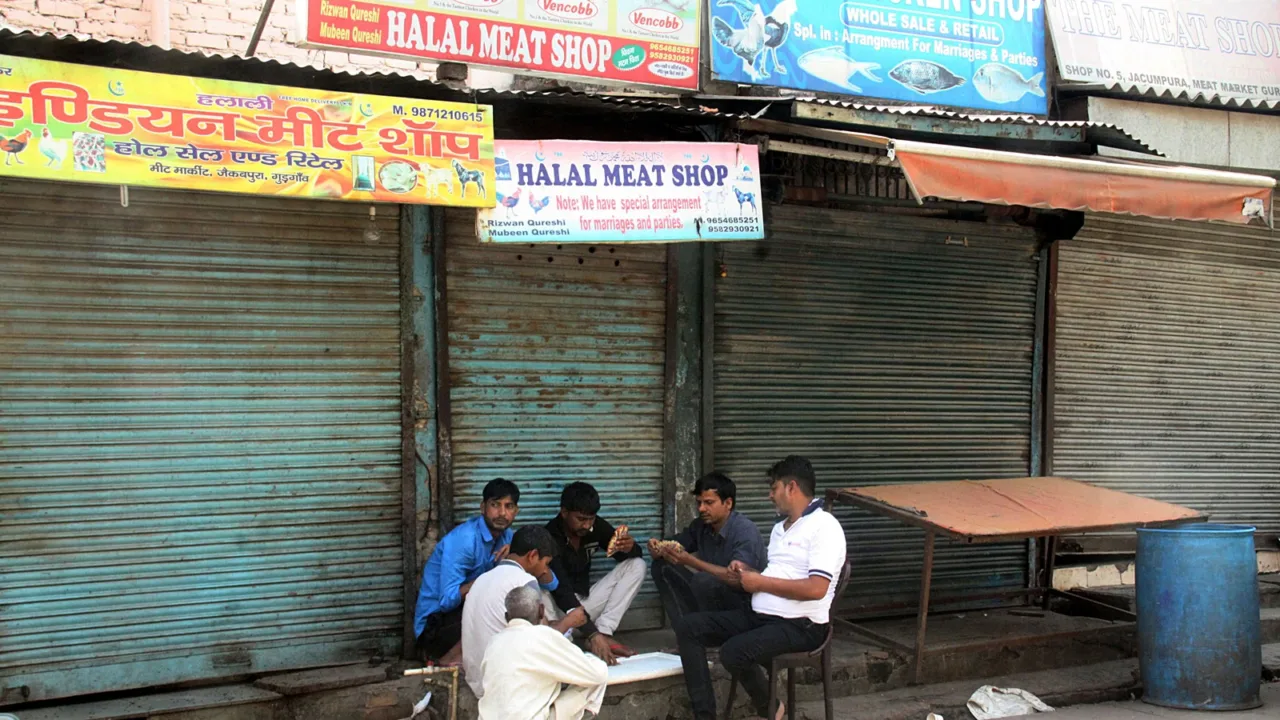
In a significant decision aimed at preserving religious decorum during the holy month of Sawan, the Varanasi Municipal Corporation has directed the closure of all meat and fish shops within its jurisdiction. The decision was passed unanimously during an executive committee meeting held on July 11, the very day the sacred month commenced.
The proposal was introduced by Hanuman Prasad, a member of the corporation’s executive committee, and received full support from the panel. As per the resolution, the sale of meat and fish will remain prohibited throughout the month, which sees a massive influx of devotees, particularly Kanwariyas visiting the Kashi Vishwanath temple.
“Taking into account the spiritual atmosphere and increased religious footfall, we have decided to prohibit meat sales during Sawan within the municipal limits of approximately 183 square miles,” said Varanasi Mayor Ashok Kumar Tiwari.
According to officials, the holy city, which typically welcomes 1 to 1.5 lakh visitors daily, witnesses a surge to 4 to 5 lakh pilgrims during the month of Sawan. In light of this, enforcement teams were deployed from July 12 to begin shutting down meat and fish establishments, many of which allegedly operate without valid municipal licences.
The Chief Veterinary Officer, Dr. Santosh Pal, confirmed the implementation process had begun, noting that this ban does not apply to restaurants serving non-vegetarian food.
“Our teams are ensuring all such shops are closed during this period. We have been instructed to take necessary action against those who violate the order,” he added.
Officials emphasised that strict legal measures would be taken against violators of the resolution. The administration has instructed all relevant departments to ensure zero tolerance in enforcement.
This is not the first such move. In 2024, the corporation had imposed a partial ban within a two-kilometre radius of the Kashi Vishwanath Temple, but enforcement faced logistical challenges and backlash from local traders. Shopkeepers at the time alleged harassment due to abrupt shutdowns and lack of alternative livelihood arrangements.
However, this time, the civic body is aiming for a comprehensive and smooth enforcement, particularly in light of rising spiritual tourism and the BJP-led civic administration’s push for a devotion-centred urban atmosphere.
The move has received support from many Hindu organisations, but critics have questioned the impact on livelihoods and freedom of trade, urging authorities to strike a balance between faith and economic rights.
For now, Varanasi remains determined to ensure the spiritual purity of the holy month, even as the debate over religious sensitivities and administrative overreach continues to simmer in the background.










Comments