





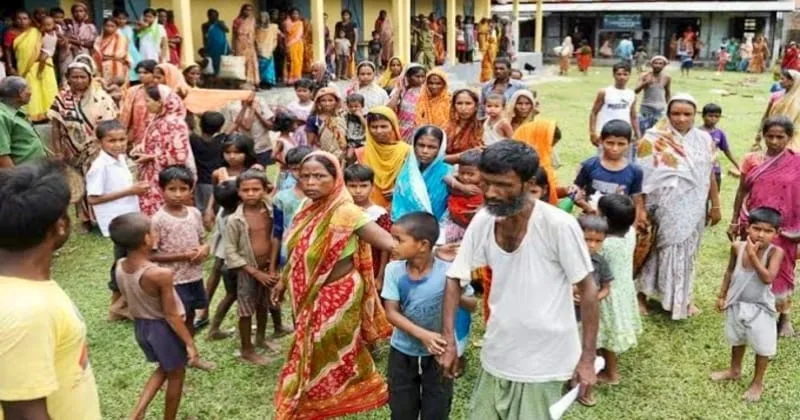
ABMSU, a Bangladeshi-origin Muslim student union, threatens to make Assamese language a minority language in Assam in the coming census. A seemingly offhand remark by a student leader has spiralled into a full-blown political crisis in Assam, reigniting age-old fears around language, identity, and demographic change. The threat to reduce Assamese language to a minority language made during a protest in Kokrajhar has once again shown the greater threat posed to Assamese people by the aggression of Bangladesh-origin Muslims.
The controversial remark was made on July 9 by the ABMSU leader during a protest against the ongoing eviction drives by the state government. The Muslim student leader declared that Bengali-speaking Muslims would no longer list Assamese as their mother tongue in official documents. He went on to suggest that Assamese was losing its majority status, a statement that many in Assam have taken as a direct challenge to the state’s cultural and linguistic identity.
The comment struck a nerve in a state where language is more than just communication — it is history, identity, and survival of the Assamese people.
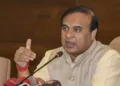
Chief Minister Himanta Biswa Sarma responded sharply. “Language is not a tool for blackmail,” he said. “Assamese is our official language. It is protected under the Constitution. If someone wants to list Bengali in voter rolls, it will only help us identify who the foreigners are.”
The Chief Minister’s remarks were echoed by BJP state president Dilip Saikia, who called the statement a “blatant attempt to provoke the indigenous population.”
“Language, faith, and culture are the ornaments of Assam’s identity — not tools of intimidation,” Saikia said. “What was said was not olonkar (an ornament) but obhihaap (a curse). ABMSU is not the guardian of Assam or its people.” He also noted that Assamese has already been recognised as a Classical Language, and any attempt to undermine it, he said, is nothing more than “political drama.”
The All Assam Students’ Union (AASU), a powerful voice in Assam’s socio-political fabric, lashed out at the comment. President Utpal Sharma called it a “deliberate provocation” meant to divide Assam along linguistic and communal lines.
“This is not just about language. It is about the cultural survival of Assam’s indigenous people,” Sharma said. “We are already witnessing demographic shifts. We must wake up now, or lose control over entire regions.”
Beyond the statement: A deeper identity crisis
What began as a protest against displacement has exposed deeper wounds. Assam’s identity politics — rooted in decades of migration, language movements, and cultural anxieties — remains fragile. While the immediate controversy may fade, the fault lines it has highlighted will continue to shape the state’s politics and public discourse.














Comments