





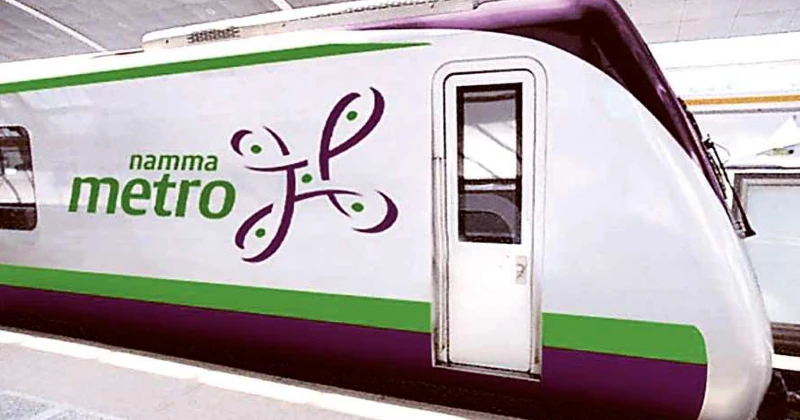
Bengaluru’s bustling metro network, once hailed as a saviour for the city’s daily commuters, has found itself at the Centre of a heated controversy after a steep fare hike triggered public anger, with the state government blaming the central government. But the state authorities refused to disclose the reason for the price hike.
Commuters have slammed the Bangalore Metro Rail Corporation Limited (BMRCL) for increasing fares by as much as 130 per cent, making Namma Metro the costliest urban rail service in India. Many middle-class commuters now say they are being forced to seek alternative modes of transportation as daily travel costs have become unaffordable.
The fare hike comes at a time when many Bengalureans rely on the metro as an escape from the city’s notorious traffic snarls. But instead of encouraging more people to use public transport, the sharp increase has reportedly pushed thousands away from the metro network.
What has further angered the public is the secrecy surrounding the report that led to this fare revision. It has emerged that a specially constituted Fare Fixing Committee (FFC) submitted its recommendations to the government in December, after its experts reportedly undertook foreign trips to study global metro fare models.
However, despite repeated requests by citizens and activists, BMRCL has so far refused to release the report. An application under the Right to Information (RTI) Act also failed to yield results, raising serious questions about transparency.
The issue has now been referred to the Karnataka High Court. Bangalore South MP Tejasvi Surya has stepped in, filing a writ petition demanding that BMRCL disclose the FFC report in full. In his petition, Surya argues that the people of Bengaluru have the right to know how and why the fares were increased so steeply, as well as whether due process was followed.
The petition came up for hearing before a single-judge bench of Justice Sunil Dutt Yadav. During the hearing, the judge quipped to Surya’s counsel, asking how an elected MP with significant influence was unable to access the report. Surya’s lawyer responded that all means, including formal RTI applications, had failed to break through BMRCL’s silence.
The High Court has now issued a notice to BMRCL, directing it to respond within two weeks. The next hearing is expected to determine whether the report must be disclosed to the public.
Meanwhile, the political blame game continues. The state government has pointed fingers at the Centre, arguing that fare revisions require central approval and follow guidelines from the Ministry of Urban Development. The BJP, in turn, has hit back, accusing the Congress-led state government of hiding behind bureaucratic excuses and failing to protect the interests of daily commuters.
Adding to the controversy is the revelation that the Fare Fixing Committee made overseas visits before finalising its recommendations.
Another contentious issue is that BMRCL is now allegedly trying to offset the passenger dip caused by the fare hike by aggressively pushing for more advertisements inside trains and stations. Commuter groups argue that this is short-sighted and unfair, saying that high fares combined with intrusive ads make the metro ride more unpleasant, offering no relief to riders.
Bengaluru commuters have also questioned why other metros, such as the Delhi Metro Rail Corporation (DMRC), routinely publish their fare committee reports and make their entire process transparent. “What is BMRCL trying to hide?” asked one commuter advocacy group.
Chief Minister Siddaramaiah has faced questions from within his party and the public about why the report is still under wraps. In recent days, there have been calls for the government not only to disclose the report but also to roll back the fare hike until a transparent and fair revision mechanism is adopted.














Comments