





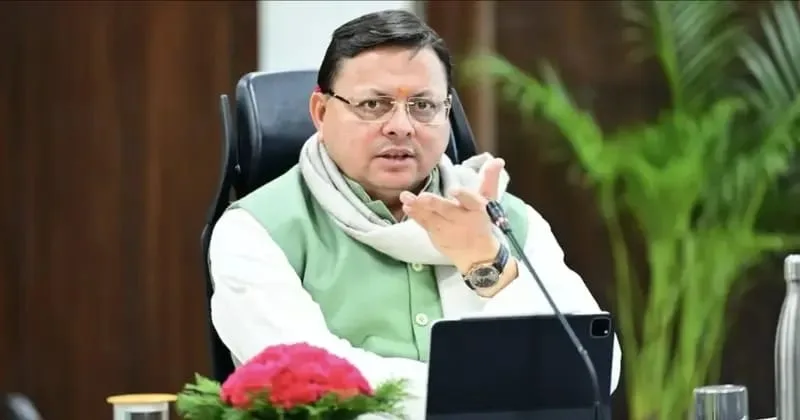
The Uttarakhand Cabinet meeting held on June 4, 2025, under the chairmanship of Chief Minister Pushkar Singh Dhami, marked a significant day of governance and policy formulation for the state. Conducted at the Dehradun Secretariat, this comprehensive session saw the approval of 12 major proposals consisting of diverse sectors, including environmental initiatives, transportation policy, recruitment reforms, administrative restructuring, and tourism development. The meeting demonstrated the government’s commitment to modernising state administration while addressing critical developmental needs, particularly in areas such as sustainable transportation, employment generation, and infrastructure enhancement for religious tourism sites, including Badrinath.
The cabinet meeting commenced at 11:00 am at the Uttarakhand Secretariat in Dehradun, with Chief Minister Pushkar Singh Dhami presiding over the session. All cabinet ministers were present during this crucial deliberative process, ensuring comprehensive representation across various governmental departments. The meeting’s agenda included a wide range of administrative and policy matters that required urgent attention and decision-making at the highest level of state governance.
The session concluded with Chief Secretary Shailesh Bagauli conducting a press briefing to communicate the cabinet’s decisions to the media and public. This transparent approach to governance reflects the administration’s commitment to keeping citizens informed about policy developments and governmental decisions that directly impact their lives. The comprehensive nature of the agenda and the complete participation of all ministers underscored the collaborative approach adopted by the administration in addressing state-wide challenges.
Environmental and Clean Transportation Initiatives
One of the most significant decisions emerged in the area of environmental policy and sustainable transportation. The cabinet approved amendments to the Uttarakhand Motor Vehicle Taxation Reform Act, introducing tax exemptions for hybrid vehicles alongside existing benefits for electric vehicles. This progressive move extends tax relief to private vehicle owners who choose environmentally friendly transportation options, marking a substantial shift toward sustainable mobility in the state.
The decision to include hybrid vehicles in the tax exemption framework demonstrates the government’s nuanced understanding of the transition period required for the complete adoption of clean transportation technologies. By providing financial incentives for both electric and hybrid vehicles, the state is creating a more inclusive environment for citizens to make environmentally responsible choices without facing prohibitive costs. This policy adjustment aligns with national objectives of reducing carbon emissions and promoting cleaner transportation alternatives across India.
Furthermore, the cabinet addressed the welfare of environmental workers by bringing 859 environmental friends (Paryavaran Mitras) who have been working in the Urban Development Department since 2013 under the “Deceased Dependent Service Rules”. This decision ensures that these environmental workers receive appropriate benefits and protection, recognizing their contribution to maintaining urban cleanliness and environmental standards across the state.
Recruitment and Administrative Reforms
The cabinet implemented significant changes to the state’s recruitment processes, particularly in the police and subordinate services sectors. A landmark decision was made to conduct joint examinations for the positions of uniformed constables and sub-inspectors, streamlining the recruitment process and making it more efficient for both applicants and the administration. This consolidated approach to police recruitment is expected to reduce administrative burden while ensuring standardised selection procedures across different ranks.
Similarly, examinations for sub-inspector level positions will also be conducted together, creating a more coherent and systematic approach to police force recruitment. These changes reflect the government’s commitment to modernising human resource processes and creating more efficient pathways for career advancement within the state police force.
The Uttarakhand Subordinate Service Selection Commission received approval for the creation of 15 new positions, including one permanent position and 14 outsourcing positions. This expansion recognises the growing workload of the commission and ensures adequate human resources to handle the increasing volume of recruitment processes across various state departments. The strategic use of both permanent and outsourced positions demonstrates a flexible approach to resource management while maintaining service quality.
Institutional Strengthening and Administrative Independence
A major organisational reform involved the elevation of the Forensic Department to independent status by appointing its head as a departmental head. Previously operating under the Police Headquarters, this department will now function as an autonomous entity, potentially improving its operational efficiency and specialised focus on forensic investigations. This structural change reflects the growing importance of scientific investigation methods in modern law enforcement and the need for specialised institutional frameworks.
The Uttarakhand Human Rights Commission received approval for 12 new positions, comprising seven regular and five outsourcing positions. This expansion strengthens the commission’s capacity to address human rights concerns and ensures adequate staffing to handle the increasing caseload of rights-related matters in the state. The balanced approach of combining regular and outsourced positions allows for both institutional stability and operational flexibility.
These institutional reforms demonstrate the government’s recognition that effective governance requires properly resourced and appropriately structured organisations. By providing these institutions with enhanced human resources and greater autonomy, the cabinet is investing in the long-term capacity of state institutions to serve citizens effectively.
Tourism Infrastructure and Cultural Development
The cabinet approved four significant projects for Badrinath Dham as part of the master plan development, focusing on creating iconic artistic installations that will enhance the spiritual and aesthetic appeal of this important pilgrimage site. These projects represent a comprehensive approach to religious tourism development that combines spiritual significance with artistic excellence.
The approved projects include the construction of a Shesh Netra Lotus Ball at the lake front of Badrinath Dham, creating a visually striking landmark that connects with Hindu religious symbolism. Additionally, the Arrival Plaza will feature the Sudarshan Chowk artwork, providing pilgrims with an impressive welcome feature that sets the tone for their spiritual journey. The Badri Narayan Chowk will host a Tree and River Sculpture, celebrating the natural elements that are integral to the site’s spiritual significance.
The installation of a Sudarshan Chakra at the Arrival Plaza of Badrinath Dham represents the culmination of these artistic enhancements. These projects collectively aim to create a more immersive and spiritually enriching experience for the millions of pilgrims who visit Badrinath annually. The focus on artistic installations demonstrates the government’s understanding that modern pilgrimage experiences require both traditional spiritual elements and contemporary aesthetic appeal.
Administrative and Financial Management Reforms
The cabinet addressed practical needs by approving the opening of a separate bank account for implementing the Uttarakhand Cleanliness Mobilization Change Policy. This dedicated financial arrangement ensures transparency and accountability in the utilisation of funds allocated for cleanliness initiatives across the state. Separate banking arrangements for specific policy implementations represent best practices in public financial management and help prevent fund diversion while enabling better tracking of program expenditures.
The meeting also covered various other administrative matters, including discussions about service rules and revenue department proposals. These discussions, while not detailed in the immediate public communications, indicate the comprehensive nature of the cabinet’s oversight responsibilities and its attention to operational details that affect day-to-day governance.
The cabinet’s approach to financial management reforms reflects a broader commitment to transparency and accountability in government operations. By establishing dedicated financial mechanisms for specific programs, the administration is creating systems that facilitate better monitoring and evaluation of policy implementation outcomes.
The June 4, 2025, cabinet meeting under CM Pushkar Singh Dhami’s leadership represents a significant milestone in Uttarakhand’s governance vision. The approval of 12 diverse proposals demonstrates the administration’s comprehensive approach to addressing multiple facets of state development simultaneously. From environmental sustainability through vehicle tax reforms to institutional strengthening through administrative restructuring, the decisions reflect a balanced perspective on modern governance challenges.
The emphasis on recruitment reforms and administrative independence suggests a government focused on building robust institutional capacity for long-term governance effectiveness. Simultaneously, the investment in tourism infrastructure and cultural development indicates recognition of Uttarakhand’s unique position as a spiritual and natural destination requiring specialised developmental approaches. These decisions collectively position Uttarakhand for sustainable growth while preserving its cultural and environmental heritage, setting a foundation for continued progress under the current administration’s policy framework.














Comments