





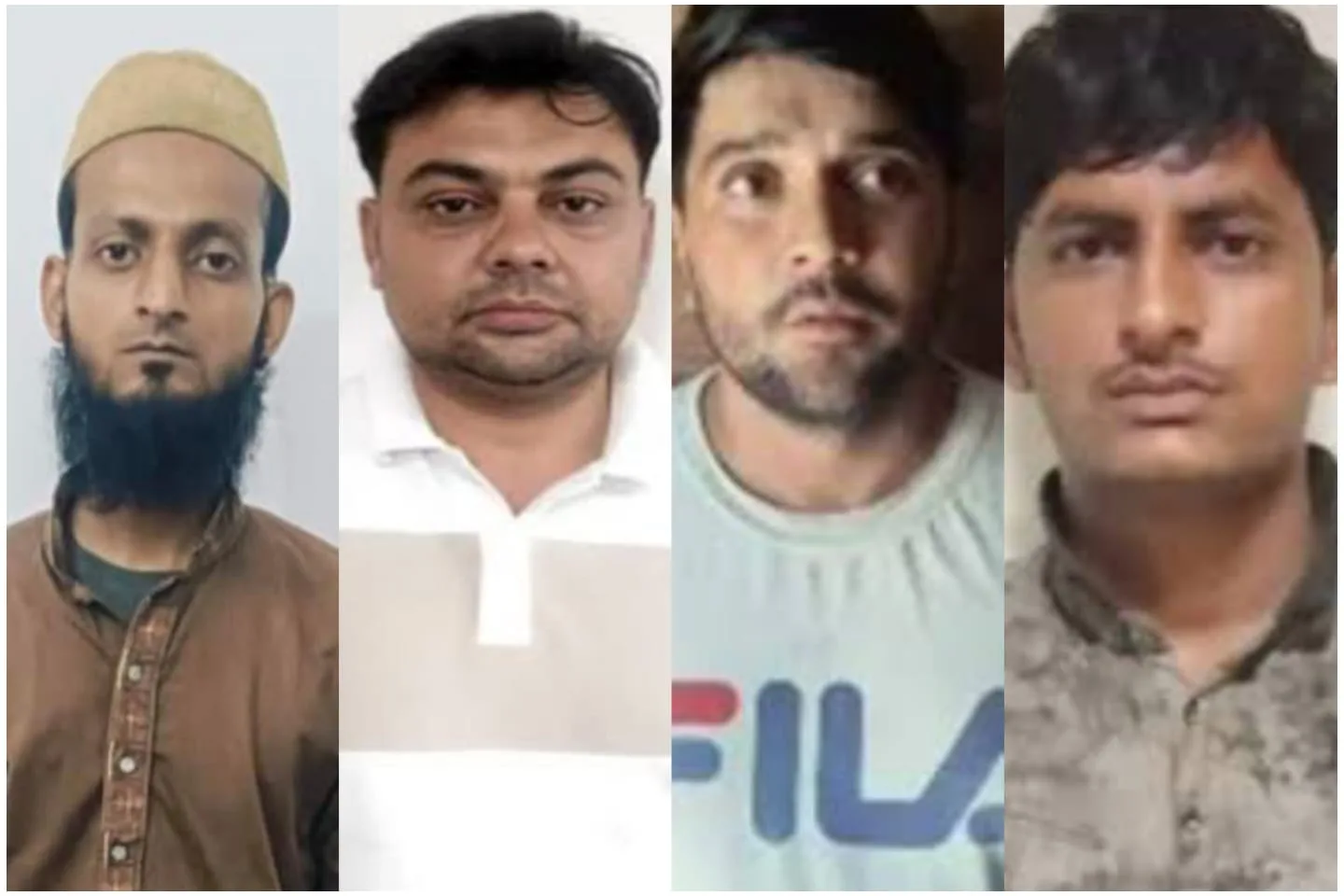
Over the past few days, Indian authorities have arrested several individuals across multiple states on charges of espionage for Pakistan’s Inter-Services Intelligence (ISI). The accused, allegedly involved in anti-national activities threatening India’s sovereignty and security, include Shehzad Wahab, Mohammad Tarif, Armaan, Devendra Singh Dhillon, Nauman Ilahi, Raqeeb Khan, Guzala and Yameen Mohamad, Palak Sher Masih, Suraj Masih, Mohammad Murtaza Ali, Mohd Haroon, and Tufail Ahmad. However, mainstream media has disproportionately focused on one name—Jyoti Malhotra—raising questions about selective reporting and bias in coverage.
Uttar Pradesh: Tufail Ahmad’s Arrest Exposes Pakistan-Sponsored Network
On May 22, 2025, the Uttar Pradesh Anti-Terrorist Squad (ATS) arrested Tufail Ahmad, son of Maqsood Alam, a native of Varanasi, for orchestrating an anti-national organisation sponsored by Pakistan. Acting on intelligence, the ATS Field Unit in Varanasi confirmed that Tufail was sharing sensitive information about India’s internal security with Pakistani contacts via WhatsApp groups.
Tufail disseminated videos of Maulana Shad Rizvi, leader of Pakistan’s banned terrorist organisation Tehreek-e-Labbaik, while promoting messages about ‘Ghazwa-e-Hind,’ seeking revenge for the Babri Masjid demolition, and advocating for Sharia law in India. He shared images and details of critical Indian landmarks, including Rajghat, Namoghat, Gyanvapi, Railway Station, Jama Masjid, Red Fort, and Nizamuddin Auliya, with over 600 Pakistani numbers. Tufail was also in contact with Nafeesa, a Faisalabad resident whose husband serves in the Pakistani Army, via Facebook.
An FIR (No. 05/25) was registered under sections 148 and 152 of the Bharatiya Nyaya Sanhita (BNS) at the ATS Police Station in Lucknow. Tufail was apprehended in Adampur, Varanasi, with a mobile phone and SIM card recovered. He is set to be presented before the court for further legal proceedings.
Other Arrests Across India
The crackdown extends beyond Uttar Pradesh, with arrests reported in Haryana, Punjab, and Gujarat:
· Shehzad Wahab (Uttar Pradesh): On May 18, 2025, the UP ATS arrested Wahab, a Tanda resident in Rampur, for smuggling goods across the India-Pakistan border and spying for the ISI. Apprehended in Moradabad, Wahab had been secretly travelling to Pakistan for years, smuggling clothing, cosmetics, and spices while leaking sensitive security information. He facilitated ISI recruitment, arranged visas, and supplied Indian SIM cards for subversive communications. Charged under BNS sections 148 and 152, he remains in custody.
· Mohammad Tarif (Haryana): Arrested on May 18, 2025, in Mewat, Tarif shared details of Indian Army operations with ISI operatives, including Asif Baloch and Jafar from Pakistan’s High Commission in Delhi, via WhatsApp. Evidence of deleted messages was found on his phone. A case under the Indian Penal Code and Official Secrets Act was filed at Taoru Sadar police station.
· Armaan (Haryana): On May 16, 2025, the 26-year-old Class XII dropout from Rajaka village, Nuh, was arrested for sharing military information with a Pakistan High Commission staffer. Tipped off by central agencies, Nagina police recovered incriminating chats, photos, and videos from his phone. Armaan is under remand.
· Nauman Ilahi (Haryana): Arrested on May 10, 2025, in Panipat, the 24-year-old security guard shared photos, videos, and maps of train stops with a Pakistan-based handler for Rs 4,000–5,000 per image. His links to Pakistani relatives and attempts to secure a Pakistani passport are under investigation.
· Raqeeb Khan (Punjab): A 32-year-old tailor at the Bathinda army base, arrested on May 10, 2025, for sharing cantonment photos with Pakistan-based numbers. Khan, a Roorkee native, is under forensic scrutiny and police remand.
· Guzala and Yameen Mohamad (Punjab): Arrested on May 10, 2025, in Malerkotla for supplying military intelligence and smuggling arms for a Pakistan-based handler. The duo received Rs 30,000 via UPI. Two cell phones were seized, and a case under the Official Secrets Act and BNS was filed.
· Palak Sher Masih and Suraj Masih (Punjab): Arrested on May 4, 2025, for sharing images of Army cantonments and Amritsar Air Bases with ISI operatives, directed by jailed accomplice Harpreet Singh. A case has been registered, with further questioning planned.
· Mohammad Murtaza Ali (Gujarat): Arrested in Jalandhar’s Bhargav Camp, Ali used a mobile app to share Indian news updates with ISI operatives, earning Rs 40 lakh in a month. He was building a Rs 1.5 crore residence and has been transferred to Gujarat for further investigation.
· Devendra Singh Dhillon and Mohd Haroon: Named among the accused, with details of their arrests pending further clarification.
Jyoti Malhotra: The Media’s Singular Focus
On May 12, 2025, Jyoti Malhotra, a 33-year-old travel blogger known for her YouTube channel “Travel with Jo,” was arrested in Hisar, Haryana, for providing sensitive information to Pakistan’s Inter-Services Intelligence (ISI). During her visits to Pakistan in 2023, Malhotra reportedly connected with ISI operatives, including Ehsan-ur-Rahim (Danish), a former staffer at the Pakistan High Commission. Using encrypted platforms such as WhatsApp, Telegram, and Snapchat, she communicated with these operatives, sharing critical information that compromised India’s security while promoting a positive image of Pakistan through her online content. Her actions, which authorities claim endangered national interests, led to her arrest by the Haryana police, with charges filed under section 152 of the Bharatiya Nyaya Sanhita (BNS) and the Official Secrets Act. Malhotra remains in police custody as investigations continue to uncover the extent of her involvement with the ISI.
Media Bias: A Pattern of Selective Reporting
While Malhotra’s case has dominated headlines, the other accused, equally implicated in grave anti-national activities, have received scant attention. This selective focus highlights a troubling pattern in mainstream media coverage.
For instance, media outlets often mislabel Islamic occult practitioners as “Tantriks” or use Hindu Sadhu imagery in thumbnails for stories involving crimes by clerics, particularly in cases of assault against Hindu girls. Such misrepresentations appear to deflect scrutiny from certain communities while amplifying narratives against others.
The disproportionate coverage of Malhotra’s case, while sidelining the equally serious charges against Tufail Ahmad, Shehzad Wahab, and others, suggests a systemic bias. Each accused, including Malhotra, deserves rigorous media scrutiny to uncover how they became entangled in ISI espionage networks. This report does not diminish Malhotra’s alleged crimes or suggest leniency; rather, it calls for equitable media trials and accountability for all involved in threatening India’s security.
The consistent pattern of selective reporting raises questions about media motives.
The recent arrests underscore a coordinated effort by Pakistan’s ISI to exploit individuals across India for espionage, compromising national security.















Comments