





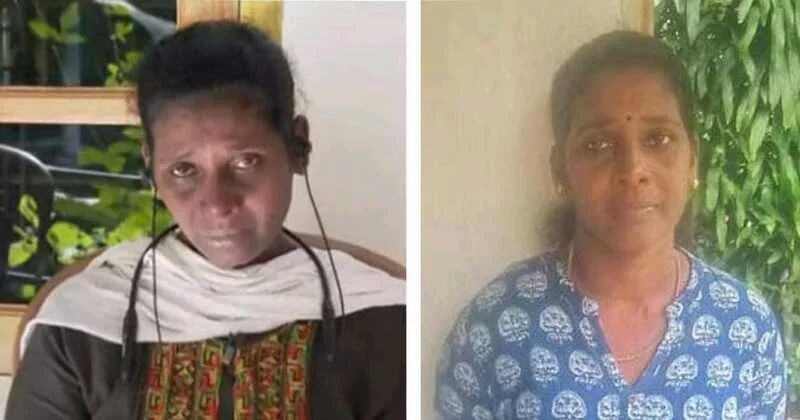
A Dalit woman from Panayamuttom in Thiruvananthapuram district has alleged custodial abuse and caste-based discrimination at the hands of the Peroorkada police after she was falsely implicated in a theft case. The woman, Bindu R, had worked briefly as a domestic help at a house from which a gold chain went missing, and was subsequently summoned to the police station on April 23.
Bindu, a mother of two school going daughters, said she was called to the Peroorkada police station for questioning and subjected to humiliating treatment. Though she had only worked at the residence for three days, she was accused without any evidence. According to her account, she was verbally abused, threatened, and forcibly searched by women police officers. She said she was even stripped multiple times during the interrogation, though no stolen items were found in her possession.
“They told me, now your daughters can study from jail” Bindu recalled, adding that the police intimidation left her deeply traumatised. Her family was not informed of her detention, and she was taken to her house by the police late at night without a formal arrest procedure. She was not informed of the grounds of arrest and allowed to meet a legal counsel. The police have violated the Supreme Court rule that women should not be arrested after sunset and before sunrise, except in exceptional circumstances and with a magistrate’s permission. These conditions were ignored in Bindu’s case as she is dalit and poor. Bindu, who continues to deal with the psychological impact of the incident, said she wants justice not only for herself but also to prevent similar abuse against other vulnerable women. “I don’t want any other woman to go through this,” she said. she was released only after the accuser found the missing gold chain after being wrongfully accused of theft by her employer, wrongful detain and threatening with the implication of her daughters by the police, and denied basic amenities, including drinking water.
Humiliation at the Chief Minister’s Office after police brutality
Bindu faced not only police brutality but also humiliation at the Chief Minister’s Office (CMO) when she sought justice. Seeking redress, Bindu approached the CMO accompanied by her lawyer. Despite having prior permission, her complaint was dismissed without review. She alleged that P. Sasi, the Chief Minister’s political secretary, placed her petition aside without even reading it and advised her to approach the court if she had grievances. An officer further humiliated her by stating that if a gold chain goes missing, it’s standard procedure for the police to summon the family for questioning.
The incident has sparked outrage among human rights organisations and the general public, with many condemning the police’s handling of the case. BJP state president Rajeev Chandrashekhar responded very sharply, saying, “the police brutality faced by a Dalit woman named Mrs. Bindu is a shocking reminder of the brutality faced by Dalits under the Pinarayi Vijayan government. In the decade of the Left rule, Scheduled Caste communities, especially women, have faced severe neglect, injustice and marginalisation. The sub-inspector and the police officers who insulted Bindu should be booked under the SC/ST Act. Bindu had approached the Chief Minister’s office and P. Sasi, the political secretary of CM Pinarayi Vijayan, seeking justice. But the response from there only further humiliated Bindu.”
In response to the public outcry, the Kerala State Human Rights Commission (SHRC) has taken suo motu cognizance of the case. SHRC Chairperson Justice Alexander Thomas has ordered a high-level investigation led by an officer from outside Thiruvananthapuram district. The probe will include reviewing CCTV footage, custody records, and determining any violations under the SC/ST (Prevention of Atrocities) Act. A July 3 deadline has been set for further review.
Even though the Left government led by the CPI(M) has long claimed to be a champion of Dalit rights and social justice, this case lays bare the deep contradictions in its governance. Shockingly, even the Chief Minister’s officeone of the most powerful political institutions in the state, failed to offer her the dignity or support she deserved. This underlines the systemic rot and the failure of the state to protect its most vulnerable citizens. This incident has once again sparked serious concerns about how Dalits, particularly women, are treated within the criminal justice system.















Comments