






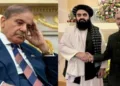
In a significant development in regional diplomacy, External Affairs Minister S Jaishankar held a phone call with Amir Khan Muttaqi, the acting Foreign Minister of the Taliban, marking the first ministerial-level communication between India and Afghanistan’s Taliban administration. This call follows the Taliban’s condemnation of the Pahalgam terror attack, which claimed the lives of 26 civilians, all tourists, at the hands of Pakistan-linked terrorists in a religiously-motivated attack in Jammu and Kashmir. Notably, India has yet to officially recognise the Taliban regime in Afghanistan.
Ministerial-Level Talks: A first with the Taliban
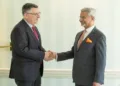
Following his phone conversation with the Taliban’s acting Foreign Minister Mawlawi Amir Khan Muttaqi, External Affairs Minister Dr. S. Jaishankar took to the social media platform X to share details of the exchange. “Good conversation with Acting Afghan Foreign Minister Mawlawi Amir Khan Muttaqi this evening. Deeply appreciate his condemnation of the Pahalgam terrorist attack,” he posted. Dr. Jaishankar also highlighted that he reaffirmed India’s traditional friendship with the Afghan people and reiterated New Delhi’s ongoing support for Afghanistan’s development. The two leaders also discussed avenues to enhance bilateral cooperation.
Good conversation with Acting Afghan Foreign Minister Mawlawi Amir Khan Muttaqi this evening.
Deeply appreciate his condemnation of the Pahalgam terrorist attack.
Welcomed his firm rejection of recent attempts to create distrust between India and Afghanistan through false and…
— Dr. S. Jaishankar (@DrSJaishankar) May 15, 2025
Importance of Iran’s Chabahar Port highlighted in talks
According to the Taliban’s Director of Communication, Hafiz Zia Ahmad, Acting Foreign Minister Amir Khan Muttaqi requested India to issue more visas to Afghan nationals, particularly for those in need of medical treatment. He also noted that the conversation covered key issues, including bilateral trade, the release and repatriation of Afghan prisoners in Indian jails, and the development of Iran’s Chabahar Port. Ahmad shared a series of posts in Pashto summarising the major points discussed during the historic ministerial-level call.
د ا.ا.ا. د بهرنیو چارو وزیر محترم مولوي امیر خان متقي او د هند جمهوریت د بهرنیو چارو وزیر ښاغلي جې شنکر ټيلیفوني خبرې وکړې.
په دې مکالمه کې د دوو اړخیزو اړیکو پر پیاوړتیا، تجارت او د دیپلوماتیکو اړیکو د کچې پر لوړولو خبرې وشوې. pic.twitter.com/weErRrvARu— Hafiz Zia Ahmad (@HafizZiaAhmad) May 15, 2025
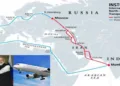
The discussion around Iran’s Chabahar Port takes on added significance as India and Pakistan have completely severed trade ties and shut down border posts following the Pahalgam terror attack. This development directly impacts landlocked Afghanistan, which traditionally relied on overland routes through Pakistan to access Indian markets.
Although India and Afghanistan technically share a land border, it remains inaccessible due to the Pakistan-occupied Kashmir (PoJK) region, which has been cut off since 1947. This leaves the Chabahar Port in Iran as the only viable alternative for trade and connectivity between the two nations.
Fostering Engagement with the Taliban
India and the Taliban administration have gradually moved toward cautious engagement since the Taliban’s return to power in August 2021, following the U.S. withdrawal from Afghanistan. A series of meetings between Indian diplomats and Taliban officials over the past few years has aimed at building broader cooperation, rooted in the longstanding historical ties between the two nations.
While formal diplomatic relations remain unofficial, India’s approach has centred on humanitarian assistance and ensuring the welfare of Afghan citizens. Efforts to maintain diplomatic communication have continued alongside this humanitarian focus.
Most recently, on April 27—just days after the Pahalgam terror attack—senior Indian diplomat Anand Prakash visited Kabul amid rising tensions between India and Pakistan over cross-border terrorism. During the visit, Prakash met with Acting Afghan Foreign Minister Amir Khan Muttaqi, signalling India’s intent to maintain open channels with the Taliban regime.
Diplomatic Engagements with the Taliban Gain Momentum
India’s outreach to the Taliban has seen a series of high-level diplomatic interactions in recent months, underscoring New Delhi’s intent to maintain strategic engagement with Afghanistan under the current regime.
Senior Indian diplomat JP Singh visited Kabul twice last year—first in March for talks with acting Foreign Minister Amir Khan Muttaqi, and again in November to meet acting Defence Minister Mohammad Yaqub Mujahid. Both visits signalled India’s interest in maintaining direct communication with key figures in the Taliban administration.
In addition to these visits, a significant diplomatic meeting took place in January this year in Dubai, where Indian Foreign Secretary Vikram Misri led a delegation to hold wide-ranging bilateral talks with Amir Khan Muttaqi and an accompanying Afghan team. Discussions covered a broad spectrum of issues, including humanitarian assistance, developmental cooperation, trade, cultural exchange, sports, regional security, and progress on strategic projects such as Iran’s Chabahar Port. The meeting marked a notable effort to deepen ties and explore common ground, even in the absence of formal recognition. The Dubai meeting aimed to bolster cooperation over humanitarian aid, developmental assistance, trade, commerce, sports, cultural ties, regional security, and projects of national interest.
In a significant policy shift aimed at aiding Afghan nationals, the Government of India has permitted the Taliban to assume gradual control of Afghan diplomatic missions in New Delhi, Mumbai, and Hyderabad. This move allows the missions to provide essential consular services, assisting Afghan citizens in India, whether for business, education, or medical treatment.
On the humanitarian front, India has extended substantial support to the Afghan people. As of December 2024, New Delhi had dispatched over 50,000 metric tonnes of wheat, 300 tonnes of medicines, 27 tonnes of earthquake relief material, 40,000 litres of pesticides, and 100 million polio vaccine doses. Additionally, India provided 1.5 million Covid vaccine doses, 11,000 hygiene kits for drug de-addiction efforts, 500 units of winter clothing, and 1.2 tonnes of educational stationery supplies—underscoring its continued commitment to Afghanistan’s welfare, even amid complex diplomatic circumstances.











Comments