





New Delhi: In a significant departure from the typical international response to cross-border military operations between nuclear-armed neighbours, India’s Operation Sindoor has garnered widespread support from key global powers and influential legislators. This unprecedented backing underscores the increasing global understanding of the persistent threat of Pakistan-sponsored terrorism and the growing strength of India’s diplomatic ties.
Usually, in the aftermath of such decisive actions, the international community often calls for de-escalation and restraint from both sides. However, the statements emerging from the United Kingdom, France, Israel, the United States, the Netherlands, and even a non-permanent member of the UN Security Council, Panama, paint a different picture. These nations have not only acknowledged India’s right to self-defense following the deadly terrorist attack in Pahalgam on April 22 but have also explicitly supported Operation Sindoor’s objective of dismantling terrorist infrastructure operating from Pakistani soil.
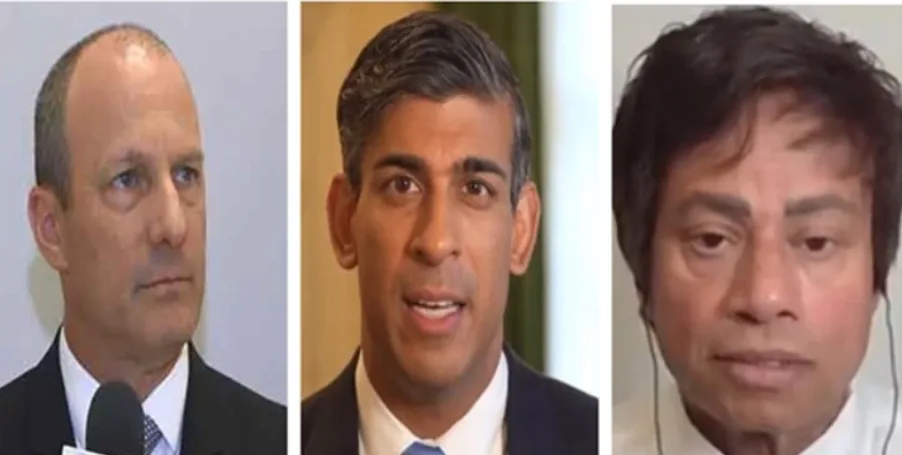
The United Kingdom has been particularly vocal in its support. The UK Foreign Minister unequivocally stated that India was “right to feel outrage” at the Pahalgam attack and urged Pakistan to take more concrete steps in addressing the terror threat emanating from within its borders. This strong condemnation of terrorism and implicit endorsement of India’s action sets a firm tone. Reinforcing this stance, prominent UK Member of Parliament Rishi Sunak asserted that “no nation should have to accept terrorist attacks being launched against it from another country,” directly backing India’s move to neutralize the threat at its source. Another influential voice from the UK, MP Priti Patel, echoed this sentiment, emphasizing India’s inherent right to take “reasonable steps to defend itself and dismantle the vile terrorist infrastructure that threatens it.”
France, a key strategic partner of India, also expressed a clear understanding of India’s need to protect itself from terrorism. In an official statement released by the French Foreign Office, France condemned the Pahalgam attack in the strongest terms and conveyed its “full solidarity with India.” The statement went further, explicitly stating that “France supports India in its fight against terrorist groups,” offering a powerful diplomatic endorsement of Operation Sindoor.
Israel, a nation deeply familiar with the challenges of combating terrorism, was quick to voice its support. Israel’s Ambassador to India unequivocally backed India’s “right of self-defence,” sending a strong message that terrorists should have “no place to hide” from their heinous acts against innocent civilians. This unwavering support from a country that has long grappled with similar threats carries significant weight on the global stage.
The Netherlands also saw a notable expression of support from a prominent Member of Parliament, Geert Wilders. His direct tweet, declaring “Kashmir is 100 per cent Indian” and using the hashtag “#PakistanBehindPahalgam,” while potentially controversial in its directness regarding the sensitive Kashmir issue, undeniably signals a strong alignment with India’s perspective on the origin of the terrorist threat.
Across the Atlantic, in the United States, Congressman Shri Thanedar voiced firm solidarity with India’s actions. He asserted that “Terrorism cannot be tolerated and it cannot go unpunished,” explicitly stating that “India has the right to defend its people” and expressing his support for India’s efforts to dismantle extremist networks. This support from a US legislator highlights a growing understanding within American political circles of India’s counter-terrorism concerns.
Adding a significant voice from the international diplomatic arena, Panama, a non-permanent member of the United Nations Security Council, also extended its support to India. The Panamanian Ministry of Foreign Affairs conveyed its solidarity with India in the “tragic loss” of life in the Pahalgam attack and affirmed its support for India’s “ongoing fight against terrorism.” This statement from a UNSC member, even in a non-permanent capacity, carries considerable diplomatic significance.
The outpouring of support for Operation Sindoor underscores a crucial shift in the global perception of cross-border counter-terrorism operations. Several factors have likely contributed to this change. Firstly, India’s consistent efforts to highlight the issue of Pakistan-sponsored terrorism on international platforms have seemingly led to increased global awareness and understanding. Secondly, India’s growing diplomatic influence and strengthening bilateral ties with key Western powers have fostered a greater appreciation for its security concerns. Finally, the undeniable nature of the terrorist threat emanating from Pakistani soil, evidenced by numerous attacks and intelligence, has seemingly convinced many nations that decisive action is sometimes necessary for self-defense.
This global support for Operation Sindoor, breaking the usual calls for de-escalation, represents a significant diplomatic victory for India and a potential turning point in how the world views cross-border counter-terrorism efforts in the face of persistent state-sponsored militancy. It sends a clear message to Pakistan and terrorist organisations operating within its borders that their actions will not be tolerated, and that the international community increasingly stands with India in its fight against terrorism.












Comments