





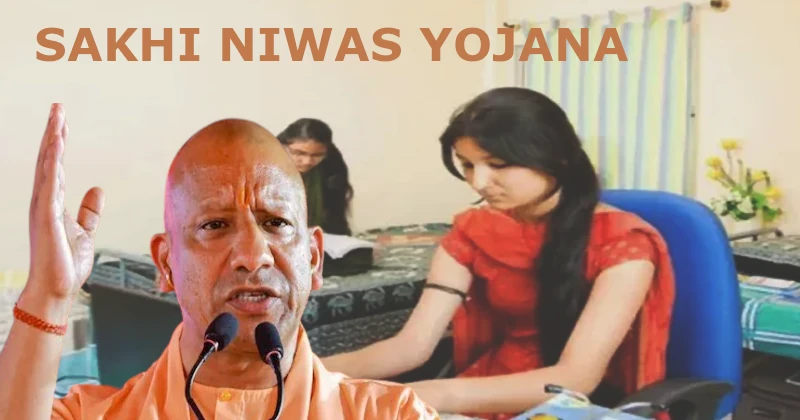
In a significant step towards enhancing women’s safety, dignity, and empowerment, the Yogi Adityanath-led Uttar Pradesh government is set to roll out ‘Sakhi Niwas’ shelters in nine key districts across the state. These upcoming residential centres, each designed to house up to 50 women, aim to provide safe and secure accommodation to women grappling with social, legal, or familial challenges particularly during times of crisis such as domestic violence, homelessness, abandonment, or legal disputes.
This initiative is part of the government’s flagship women’s welfare programme, Mission Shakti, which continues to evolve as a symbol of the state’s commitment to women’s empowerment. Launched in 2020, Mission Shakti focuses on ensuring safety, dignity, and self-reliance for women through multifaceted interventions ranging from legal aid and skill-building to financial inclusion and psychological support.
The ‘Sakhi Niwas’ shelters are envisioned as comprehensive support centres where women can find not only physical safety but also a foundation to rebuild their lives. These shelters will be funded jointly by the Central and state governments under the Samarthya sub-scheme of Mission Shakti. While the Central government will bear 60 per cent of the financial cost, the rest will be covered by the Uttar Pradesh government.
According to the Department of Women and Child Development, the shelters will be set up in the districts of Lucknow, Varanasi, Prayagraj, Gorakhpur, Agra, Bareilly, Meerut, Ghaziabad, and Gautam Buddha Nagar. These districts were shortlisted based on population size, urbanisation levels, and the frequency of gender-related complaints and violence against women reported in recent years.
Officials noted that urban centres with dense populations and growing numbers of migrant or working women often face an acute shortage of safe residential facilities, particularly for women in vulnerable situations. The selection of districts aims to plug that gap and ensure critical support reaches the right demographics.
“The primary objective of launching ‘Sakhi Niwas’ is to provide a secure and dignified space for women in distress,” said a senior official from the Women and Child Development Department. “These centres will offer basic amenities like stay, food, clothing, and medical care—completely free of cost.”
The shelters will be operational round-the-clock and managed by trained professionals. In addition to basic lodging, the facilities will include a kitchen, health room, counselling space, activity area, common room, and a legal support desk. Married women will also be allowed to keep their children with them, with the provision of separate areas for girls up to 18 years and boys up to 12 years of age.
What sets the ‘Sakhi Niwas’ model apart is its emphasis on rehabilitation rather than just temporary relief. Inmates will not only find shelter but will also be enrolled in various empowerment programmes designed to restore their confidence and equip them with the skills needed for an independent life.
Skill development workshops in areas such as tailoring, handicrafts, computer literacy, and office administration will be conducted regularly. Guest lectures, self-help group linkages, digital literacy training, and personality development sessions will form an integral part of the rehabilitation plan.
Officials are working closely with local NGOs, industrial training institutes (ITIs), and private skill centres to develop custom modules for the women staying at the shelter. Placement tie-ups are also being explored to facilitate employment for those completing the training.
Recognising that most women who turn to shelters come with significant emotional baggage and legal issues, ‘Sakhi Niwas’ will also offer access to professional counsellors, psychiatrists, and legal advisors. Women will be provided legal aid in matters related to domestic violence, property rights, marital disputes, and custody battles.
In addition, weekly group therapy and one-on-one counselling sessions will be organised to address trauma, stress, and anxiety. “Empowerment is not just about economic independence. It’s also about emotional healing and restoring one’s sense of agency. That’s the core philosophy behind Sakhi Niwas,” the official added.
The shelters represent a major milestone under Mission Shakti, which has already brought about several changes in Uttar Pradesh’s approach to women’s rights. Over the past four years, the campaign has introduced all-women police stations in many districts, expanded the 1090 women’s helpline, launched Nari Adalats (women courts) at the village level, and facilitated financial inclusion drives targeting self-help groups.
Additionally, public awareness campaigns under Mission Shakti have worked to dismantle harmful stereotypes, encourage reporting of abuse, and boost women’s participation in education, entrepreneurship, and politics.
‘Sakhi Niwas’ supports the Uttar Pradesh government’s larger mission to build a safe, inclusive, and supportive environment for the state’s over 100 million women. The initiative also aligns with India’s national policy on women’s empowerment and the United Nations’ Sustainable Development Goals (SDGs).
These shelters will be managed with active community involvement, including local committees and women’s groups, to ensure transparency and better outreach.
A district-level monitoring mechanism, comprising officials, civil society members, and women representatives, will be established to ensure proper functioning and address grievances.
“Real change happens when the community takes ownership,” said an officer from the Gorakhpur Women Welfare Cell. “These shelters are not just government projects; they are people’s assets. We want them to serve as models of safety and hope for women everywhere.”
A mobile application is also being developed to enable digital registration and grievance redressal, allowing women or their guardians to seek support discreetly and quickly.
The first phase of construction is expected to begin shortly, with most shelters targeted for operational launch by the end of the current financial year. If implemented efficiently, the model could serve as a blueprint for similar interventions in other states as well.















Comments