





The partition of India and Pakistan remains one of the longest and most unresolved separations in history. Even today, the consequences of that division linger. Thousands of people from Pakistan, a country that defines itself as an Islamic republic, continue to migrate to Bharat in search of safety, freedom, and a dignified life.
Many of these migrants belong to religious minority communities—Hindus, Sikhs, Jains, and others—who leave behind their homes in Pakistan to protect their faith and secure a better future for their children. One such example is found in the outskirts of Jodhpur, Rajasthan, where Organiser visited a refugee settlement teeming with hope and hardship.
Glimpse into Jodhpur’s Gangana village
In Jodhpur’s Gangana village, over 2,500 Pakistani Hindu refugees have found temporary shelter across 1,000+ shanties. These families have arrived in waves—some as recently as March 2025, and others as long as 30 years ago. Many came on visitor visas, others on long-term visas, with the shared dream of making Bharat their permanent home.
These settlements—some officially recognised, others not—are often referred to as refugee colonies. Life here is tough. Apart from a government school nearby that admits their children based on passport verification, the families must fend for themselves—building homes, finding work, and arranging for basic necessities.
Restoring dignity through education and empowerment
Amidst these challenging circumstances, several organisations are working to uplift these communities and help them feel at home. One such group is the Sewa Nyaya Utthan Foundation (SNU), a non-governmental organisation that has been actively supporting Pakistani Hindu families in Jodhpur for nearly two years.
The foundation runs a study centre that serves as a beacon of hope. Co-founded by journalist Swati Goel Sharma and activist-scientist Sanjeev Newar, SNU works extensively in areas like education, self-defence, and community development.
A visit to the study centre
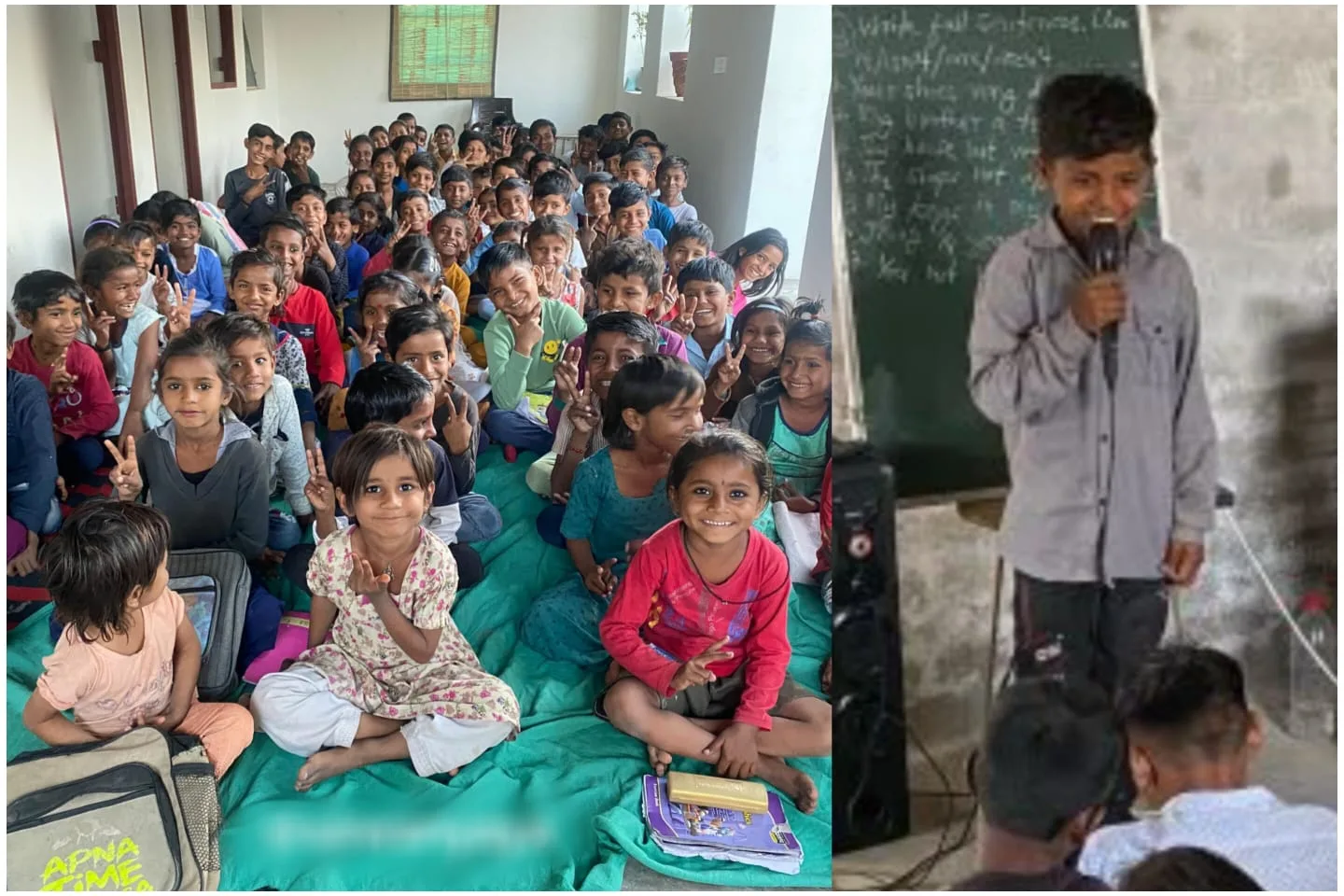
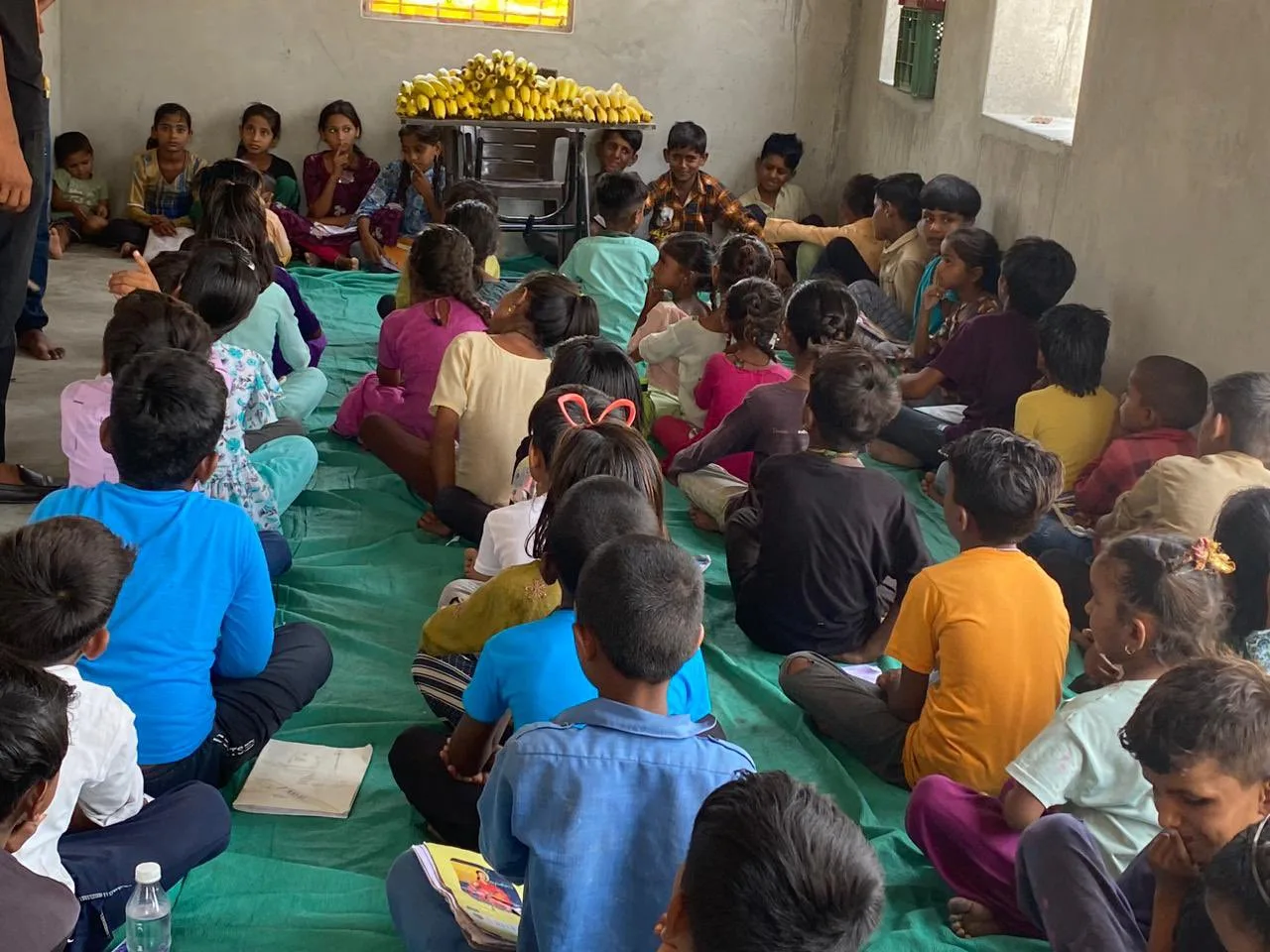
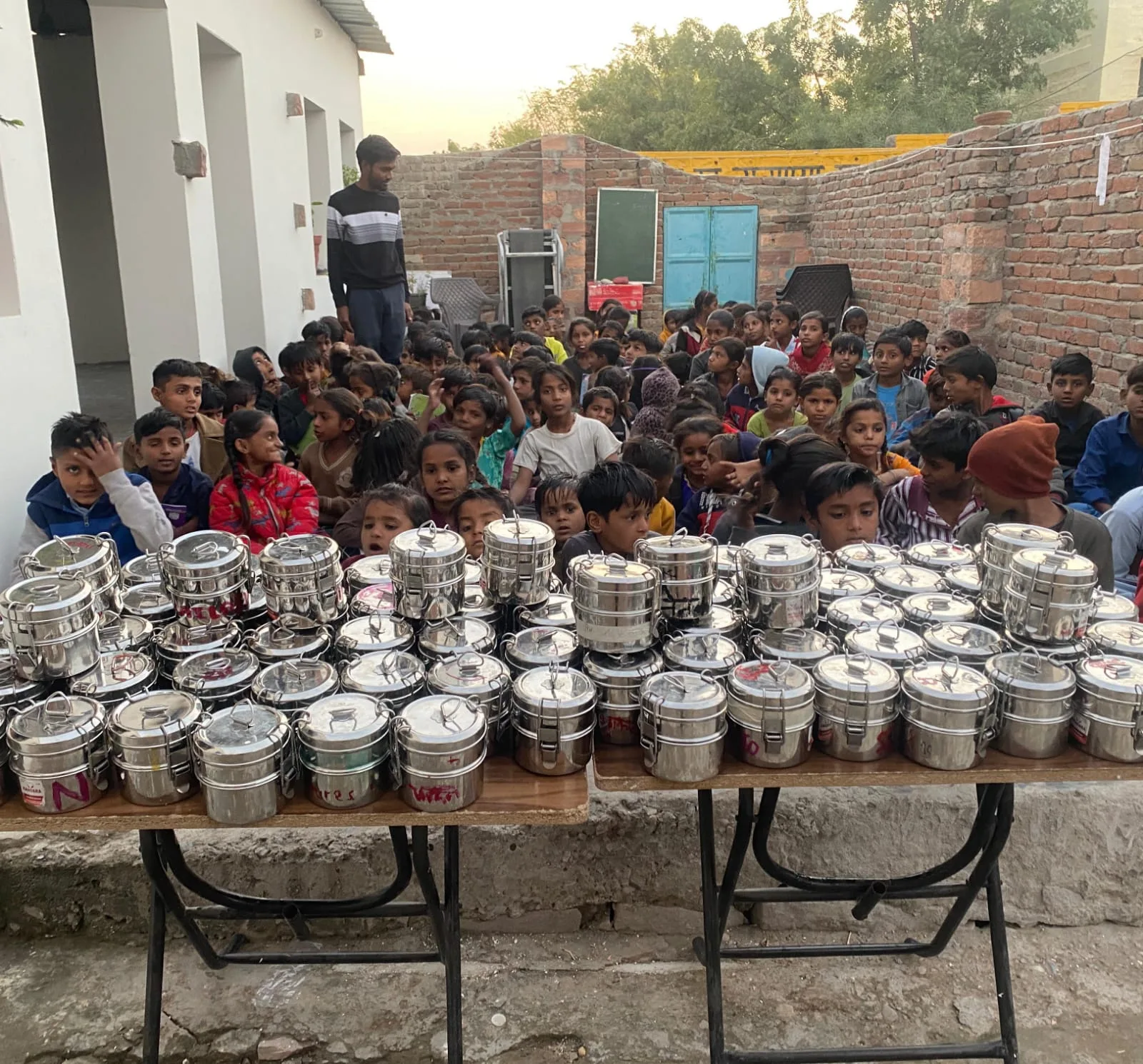
When the Organiser correspondent visited the study centre around 5 PM, over 50 children were seated on mats, finishing their lessons and waiting for their teacher to dismiss them. The centre consists of four rooms, a large courtyard, and a small living space for a family.
Inside, in one of the rooms, a teenager named Rajesh Chouhan, a Class 12 student, was teaching about 20 students from Classes 8 and 9. Coolers buzzed in the background, martial arts jerseys hung from pegs, and a whiteboard displayed the day’s lesson. Another room held a projector, bookshelves, student artwork, and a modest study setup.
Primary students outside were practicing English language skills, focusing on spoken communication. A student named Kamal pointed to a board with translated sentences and explained that English-speaking is a key focus here. When prompted, several students translated Hindi sentences into English with confidence—one even recited an English poem.
Rajesh shared that as of March 25, 2025, the centre had over 180 enrolled students. Apart from him, a full-time teacher, appointed in 2024, also guides the children.
“A small mechanism to facilitate Justice” – SNU
Over a phone call, Organiser spoke to SNU co-founder Swati Goel Sharma. Here are excerpts from the conversation:
Correspondent: What inspired the creation of SNU?
Swati: As a journalist, I’ve been on the ground and seen firsthand how people are denied justice because of structural barriers. If someone doesn’t know how to write, how will they reach the administration? If a family doesn’t have money, they’re pushed into deeper vulnerability. In cases of atrocities, journalists may cover the story, but actual help is slow to come. That’s why I thought of a small but immediate mechanism—thus, SNU was born.
Correspondent: You’ve been reporting on women and children, but now SNU is focused heavily on Pakistani Hindu refugees. What brought this shift?
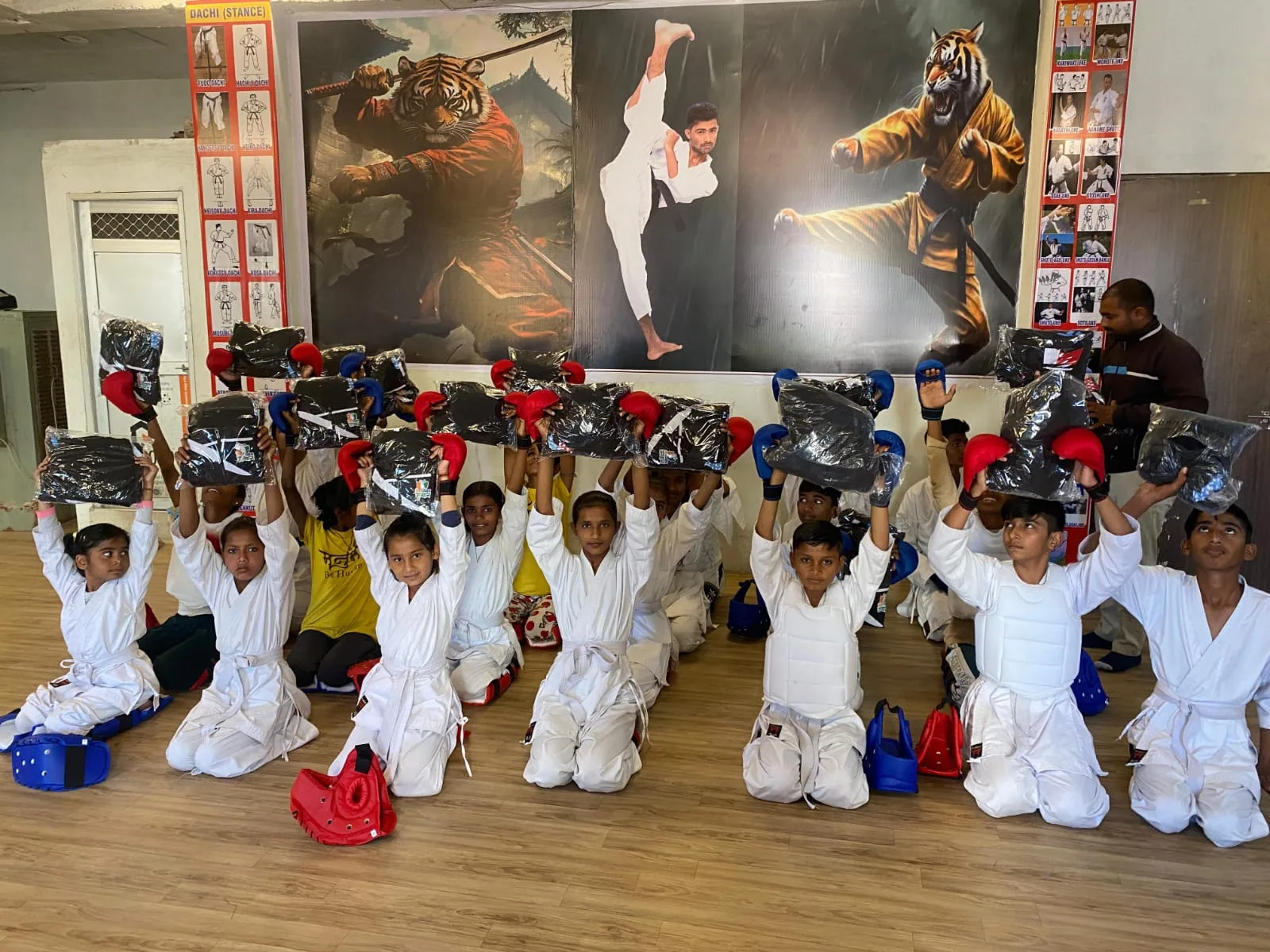
Swati: Like many Indians, I knew very little about these communities. In May 2023, I came across them when the local administration issued a demolition notice for a refugee settlement in Jodhpur, calling it illegal. When I visited, I realised these were legal visa-holders—refugees from Pakistan—awaiting Indian citizenship. If they’re being allowed to stay, the state must also recognise their needs. We began supporting them—building homes, arranging water supplies, and setting up study and martial arts centres in Jodhpur and Jaisalmer, where they are most concentrated. The reason being that, when train used to operate between India and Pakistan it used to some to Jodpur only.
Correspondent: Do you help with documentation, especially since many arrive without proper papers?
Swati: Yes. Many of them are on long-term visas, some have overstayed. We help facilitate the documentation process—writing letters, assisting with local contacts, even small financial aid. It’s slow but necessary work.
Correspondent: Some students aspire to become IAS or IPS officers, but citizenship remains the biggest hurdle. What happens after they finish school?
Swati: Citizenship laws say those who came to India before December 2014—or have lived here for over 11 years—are eligible. Many children who came in primary school will qualify in time. But yes, some will be unlucky and miss key opportunities because of delayed documentation. We keep raising these issues regularly.
Correspondent: How many centres are currently active, and what are your future plans?
Swati: Right now, we operate two permanent centres—two in Jodhpur and one in Jaisalmer and Delhi which operate occasionally. Jodhpur has the largest concentration of Pakistani Hindu refugees. If we receive more support, we aim to expand such centres and martial arts training units across the country.
Instilling confidence, building Futures
From training children in robotics and taking them to IIT fests, to teaching martial arts and enabling them to win sports competitions, SNU’s efforts are all aimed at one goal: rebuilding lost confidence and dignity. As Swati aptly puts it, “If they have chosen Bharat as their nation, they must feel confident and proud of that decision.”
Through education, empowerment, and empathy, organisations like SNU are not just rehabilitating refugee families—they are helping them reclaim their identity, dream bigger, and rise stronger.













Comments