






The Mahakumbh Mela at Prayagraj, an incredible confluence of Dharma, faith, culture, modernity, science, economy and social harmony, a symbol of simplicity and humility, has been going on since January 13, 2025 (Makar Sankranti) and will continue till February 26, 2025 (Mahashivraatri), at Sangam Triveni, where sacred rivers Ganga, Yamuna and Saraswati (now Vilupt) meet. With four Amrit snan already over, till today February 17, 2025, about 50 crore devotees have visited Mahakumbh and taken Aastha ka Snan (dip of faith). It is an amazing witness and opportunity to connect with the development and heritage of India, a showcase of her grandeur too.
Kumbh Mela is held after every 3 years in rotation at Praygraj, Haridwar, Ujjain and Nashik, and hence, after every 12 years at one particular place (a position of constellations is repeated after 12 years, as Jupiter comes to same constellation after 12 years). It is held when the Sun, Jupiter, and Moon enter some particular Zodiac constellation, such as Raashi of Bharatiya Jyotish sytem. It is held at Prayagraj from January to February when Jupiter enters Taurus (Vrishabh) or Aries (Mesh) and the Sun and Moon in Capricorn (Makar). It is held at Haridwar from January to April, when Jupiter lies in Aquarius (Kumbha) and the Sun is in Aries. It is held during April-May at Ujjain when Jupiter is in Leo (Singha) and Sun in Aries or Jupiter, Sun and Moon in Libra (Tula), and is held at Nashik during July-September when Jupiter enters in Leo or Jupiter, Sun and Moon enter Cancer on Lunar conjunction. This year’s Mahakumbh Mela is unique in itself since its constellation alignment is witnessed once every 144 years only – Jupiter is in Taurus, Sun and Moon in Capricorn, and Saturn and the Nakshatra Pushy (Pukh) also align. As per ancient Bharatiya scriptures, the four Gods – the Sun, Moon, Jupiter and Saturn were assigned the duty to protect the Amrit pot of Sagar Manthan, and they appear in one line after 144 years.
Many articles have already been written about Mahakumbh 2025, in various Newspapers, magazines etc. Therefore, to minimise repetition, we shall try to focus on the scientific perspectives of the Kumbh Mela in this article. The logic behind the choice of locations for holding the mela can be traced back to thousands of years old legacy and traditions of Ancient Bharat.
1. Why Banks of Rivers – Rivers have been the lifeline of the development of civilisations. All old civilisations developed across banks of rivers, be it Sindhu, Ganga, or Nile. This itself has a scientific reason – banks of rivers give means of living life, mainly water and cultivation. Rivers symbolises life, spirituality, and tradition in India. And hence, our Rishi-Munis and Sadhu-Sants used to do Tapasaya, teachings in their Ashrams and Gurukuls on the banks of rivers, like – Sant Bhardwaj had an Ashram in Prayagraj, there was Sapta Rishi Ashram in Haridwar (of Rishis Kashyapa, Vashishta, Atri, Vishwamitra, Jamadagni, Bharadwaja, and Gautama), Maharshi Sandipani (during times of Mahabharata) in Ujjain on the banks of Shipra river, Gautam Muni in Nashik on the banks of river Godavari. Nashik is the place known as Panchavati in Ramayana times, where Bhagwan Ram, Maa Sita and Lakshman stayed most period of their Vanvaas (exile), and on the banks of river Godavari, Laxman cut the nose of Srupankha, and hence the name Nashik. So, when we assemble at Sangam Triveni in Prayagraj, remembering that our Rishi-Munis used to live here in Ashrams, that feeling itself gives great pride, happiness and contentment. Moreover, spending some time on the banks of a river bestows eternal peace and happiness to mind and heart. One can connect to the inner self, one’s soul, to the God, and to experience heights of spirituality. It releases stress too, and I can say this due to my personal experience – I got the fortune to take Pavitra Snan at Prayagraj Mahakumbh in January 2025. Shipra river is one of the sacred rivers in India. It is found not only in ancient Hindu texts but also in Buddhist and Jain scriptures. The holy city of Ujjain is situated on its right bank. There are many Hindu religious places along the banks of the river Shipra. Godavari originates at Triambakeshwar in Maharashtra as the Dakshin Ganga. Shipra originates from the Vindhya range, and confluences with the Chambal River. Moreover, the sacred river Ganga originates in the Himalayas, and its water is filled with the goodness of various herbs of the Himalayas. Hence, the water of the Ganga is believed to be beneficial for health from this aspect also. So, this is the scientific reason behind thousands of years of legacy of holding Kumbh Mela on the banks of sacred rivers like Ganga, Yamuna, Godavari and Shipra.
2. Why four places – In Ancient times, means of communication were not so good as today, and people found the means of assembling at these four sacred places, as per the positions of planets, using the Bharatiya Jyotish system (a Vedanga). As the Sun and Jupiter change their constellations with place and time of year, our Rishi Munis choose places accordingly so that places of holding Kumbh Mela may be distributed geographically also. Moving to different places helps people understand each other, boosts unity and cultural connectivity, and boosts the economy of a place. And, due to this system Kumbh Mela is held at a place depending on the positions of the Sun, Moon, and Jupiter in constellations, people would spontaneously reach that place to celebrate the event, as everyone knew the Panchang system (Ancient Indian Jyotish system), which was uniform all over Bharat. So scientific!
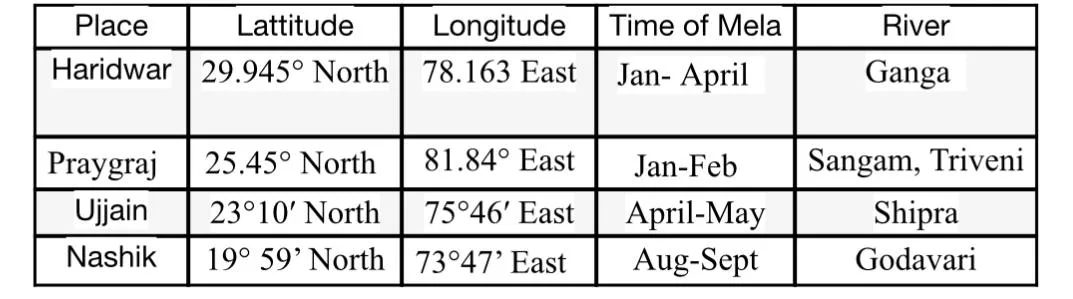
3. Geography of location – During Kumbh Mela, Jupiter is aligned with some constellations and is near earth. Say in Prayagraj; it is held when the Sun enters Capricorn, and Jupiter enters Aries or Taurus, which happens during January-February. The Sun enters Uttarayan; it moves to summer solstice from winter solstice. In winter, people need to bask in the Sun, and hence, when people take Snan in these scared rivers, they get enough of Sunshine, which is necessary for good health and strong bones, and it enhances immunity too. The time of ample Sunshine, along with the nature of the weather, changes with the place and time of the year. During Jan-Feb, the Sunshine is maximum in Prayagraj, It is suitable to have Sunshine on the banks of Ganga-Yamuna, as these are the coldest months, too. During Jan-April, winter seems to say adieu, and this is the period of the onset of summer. Hence, Haridwar is the most suitable place geographically for January-April. Similarly, during August-September, Nashik is the most suitable place for having Sunshine on the banks of river Godavari, as monsoon just passes away, and it is a pleasant weather (temp between, say, 23-33 °C). In Ujjain, Kumbh mela is held during March-April, and it is most suitable geographically for these months (temp between, say, 21-32 °C), as from June onwards, rains set in. During the rainy season, one cannot have Snan or enjoy sunshine on the bank of any river. The geographical coordinates of the four places where Kumbha Mela is held are as follows:
Table 1- Locations of Kumbh Mela with their geographical coordinates
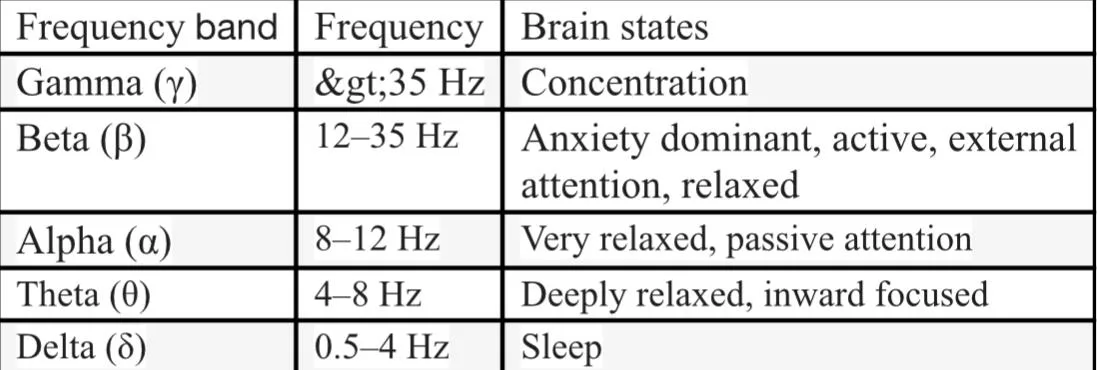
4. Proximity of Jupiter & Brain Waves – The timing of the Kumbh Mela is meticulously determined by specific planetary alignments, with Jupiter playing a crucial role. Jupiter, being the largest planet in our solar system, plays an important role in protecting our Earth from asteroids, etc., from hitting us, as it attracts and diverts them away due to its large gravitational force. That is the reason the force of gravity is called “Gurutavkarshan”, as Jupiter is called the “Guru” of all planets in our Jyotish (Astrology). Jupiter’s diameter is 139,822 Kilometers, 10.9733 times more than that of Earth, and its mass is 317.8281 times more than mass of the Earth, making it more than twice as massive as all the other planets in the Solar System combined. The proximity of Earth to Jupiter may cause some changes in Earth’s geomagnetic field, though they would be very, very tiny. As Jupiter is close to Earth (Jupiter is said to be in opposition to Earth) during Mahakumbh Mela, and it being the largest planet, at the opposite side of the planet, the solar wind stretches Jupiter’s magnetic field lines into a long, trailing magnetotail, which sometimes extends well beyond the orbit of Saturn. Some 20,000 times stronger than Earth’s magnetic field, Jupiter’s magnetic field creates a magnetosphere so large it begins to avert the solar wind almost 3 million kilometres before it reaches Jupiter. The magnetosphere extends so far past Jupiter that it sweeps the solar wind as far as the orbit of Saturn. The structure of Jupiter’s magnetotail is similar to Earth’s. This fluctuation may affect the electromagnetic radiation around the Earth’s surface, which may create a positive change in the brains of people. It is well known that our brain interacts with the environment with the help of neuron signals, which are nothing but electromagnetic radiation. The frequency of these radiations changes with the state of mind. This is the reason why a positive environment in the house or office creates positive changes in the mental state and well-being of people living there. Research suggests that during religious activities like prayer or meditation, individuals often exhibit increased alpha brainwave activity, i.e., alpha waves of few Hertz frequencies are emitted from the brain in a state of relaxation. And when millions of people gather together on the banks of these scared rivers with a positive and happy state of mind, these brain waves interfere constructively. Physics says that constructive interference of waves increases its amplitude. Thus, it further enhances the mental state of people, and enhances the state of pure happiness and joy. As I also experienced myself, no one seemed to have any worries on their faces on Sangam while taking Snan; everyone seemed so happy, in a state of pure, spiritual bliss.
Table 2 – Frequency of brain waves in different states, taken from Ref [ 19]
 Hence, it may be concluded that positive brain waves of all people, as well as waves due to effect of close approach of Jupiter to Earth and alignment of moon – they make a resonant effect due to presence of rivers. Because our bodies are made up of 70 per cent water, the interaction of of positive waves increases due to the interaction of the waters of rivers and human bodies. It has been proven scientifically that social interactions give happiness and release stress. These observations reinforce how profound and scientific the ancient Bharatiya knowledge system (including Geography, Geomagnetic forces and Astronomy) and of course, spirituality, has been.
5. Ecliptics, Alignment of Celestial Bodies in Constellations – As is clear from the discussion above, the position of the Sun, Moon, and Jupiter as seen in different constellations determines the location of Kumbh Mela or Mahakumbh Mela. Now, we try to understand in a scientific way, how the Sun can appear to be in a constellation, while we know that our Earth and other planets revolve around the Sun. We shall also understand how planets appear in different zodiac constellations.
5.1 Uttarayan and Dakshiyan
The Equator is an imaginary line that divides Earth into two equal halves – The northern hemisphere and the Southern Hemisphere. India is in the Northern Hemisphere. The Earth revolves around Sun, tilted around its axis at an angle of 23.44 degrees. Because of this tilt, the Sun appears to travel north and south of the equator. When the tilt is near the Sun, in that hemisphere Summer occurs, and days are longer than nights. When it is away from the Sun, in that hemisphere Winter occurs, and the days are shorter than nights. Because of the tilt, the Sun appears to travel in the Northern and Southern hemispheres at different times of the year. Meaning of the word Uttarayan is – Uttaram (North) and Ayanam (movement). The motion of the Sun from the South to the North hemisphere is called Uttrayana (summer solstice). As per the ancient Bharat calendar, it refers to the movement of the Sun through the Zodiacs. Uttrayana is the period when Sun enters Makar (Capricorn) Rashi (Makar Sakranti is celebrated at this point) until it crosses Kark (Cancer) Rashi. As the sun moves towards the Tropic of Cancer, solar energy increases in the northern hemisphere, which affects the climate, agricultural cycle and biological rhythms. After it reaches the North hemisphere, it again starts its journey from from North to South, and this is called Dakhsiyan (winter solstice).
The imaginary parallel circles drawn on earth, parallel to the equator are called “Latitiudes”. Equator is at 0 degree latitude. Prime meridian is imaginary vertical line along the axis of the earth, down from its North to South, and Greenwich meridian line is at 0 degree longitude. Longitudes are measure of east or west of the prime meridian, from north pole to south pole. Latitude is the measurement of distance north or south of the equator. So, latitude of the North Pole is 90 degree North, while that of south pole is 90 degrees South. These circles of latitude are also called parallels, and there are 2 of them that are mainly used to define the correlation of position of the Sun, Earth and climate.
Tropic of Cancer (Kark rekha)- a parallel at 23.4372 degrees N (23 degrees 26 minutes 21 seconds, in Northern hemisphere)
Tropic of Capricorn (Makar rekha)- a parallel at 23.4372 degrees S (23 degrees 26 minutes 21 seconds in southern hemisphere)
5.2 Ecliptics – the apparent motion of Sun in the Sky & Constellations
The apparent path of the Sun, as it appears in the sky from earth, is called Ecliptic. It is observed as an imaginary circle on the celestial sphere. The plane containing the Earth’s orbit is called the Earth’s orbital plane. The celestial sphere is an imaginary sphere centred on our Earth, which represents the appearance of the sky from our planet. It is like a globe with stars, planets etc. Thus, Ecliptic is the circle at which the Earth’s orbital plane crosses the celestial sphere.
As the Earth revolves around the Sun, stars change along the ecliptic on the celestial sphere. As the Earth completes one revolution around the Sun in one year, the Sun slowly changes its position in the sky, shifting little less than 1 degree per day (360 degrees/365). The Sun appears higher in Summer (longer days) , and lower in winter (longer nights). Thus, we can say that the ecliptic also represents the apparent path of the Sun on the celestial sphere.
Our solar system can be regarded as almost a flat disk, due to the way it was formed. When the solar system was being formed, the gas and dust in the asteroid belt around the Sun was pulled by gravitational force into a flat disk. All the planets of our solar system were formed out of this disk, and hence, all the planets revolve around the Sun almost in a plane. The planets of the solar system lie very close to the ecliptic plane. Orbits of planets vary a little in tilt from the earth’s orbital plane. Mercury has higher tilt of 7 degrees, other planets tilt from 0.8 degress-3.2 degrees. As all the planets travel near the ecliptic, they often appear near each other in the sky, and when at least three planets appear close together, it is called a planetary alignment
The orbit of the Earth’s Moon lies at an angle of 5.1 degrees from the ecliptic plane. Since the Moon revolves around Earth, it also appears to align with the planets from time to time. Moreover, not only planets but some stars are also seen near the ecliptic. The ecliptic intersects 13 constellations on the celestials sphere, out of which 12 are famous and are called Zodiac constellations, which are Aries, Tauras, Gemini, Cancer, Leo, Virgo, Libra, Scorpio, Sagittarius, Capricorn, Aquarius and Pisces.
When we say that the Sun enters a particular Zodiac, it actually doesn’t enter it. As the Earth travels around the Sun, the Sun appears to pass in front of a succession of constellations near the ecliptic. And hence, the constellations that the Sun appears to be in change with time and will vary slightly as we change the location on the Earth. Also, the alignment of planets that we see in the night sky from Earth changes with place, as they all lie near the ecliptic plane.
Pushy is a Nakshatra in Indian astrology, found in the constellation Cancer (Kark), and planet Saturn (Shani) is its leader. A nakshatra is one of the 27 (or 28) sectors (group of stars) along the ecliptic. Nakshatras are similar to constellations of Western astronomical terminology. The no 27 (28) corresponds to Lunar cycle time (the time in which the Moon completes one revolution around the Earth). The mention of nakshatra is found in Vedas, Vedanga Jyotish, Mahabharata, Harivamsa, etc.
As per (skyline.com), on January 28, 1:40 pm IST – The distance of Jupiter from Earth was currently 671,916,623 kilometres, equivalent to 4.491485 Astronomical Units. Jupiter’s proximity to Earth reached its closest point in 2024 Friday, December 6, making it appear about 50% bigger in the night sky than at its farthest. In Jan 2025, the distance of the Earth from the Sun is almost the same as its distance from Jupiter; go the gravity of Jupiter has an important role to play.
6. Some relevant Pictures
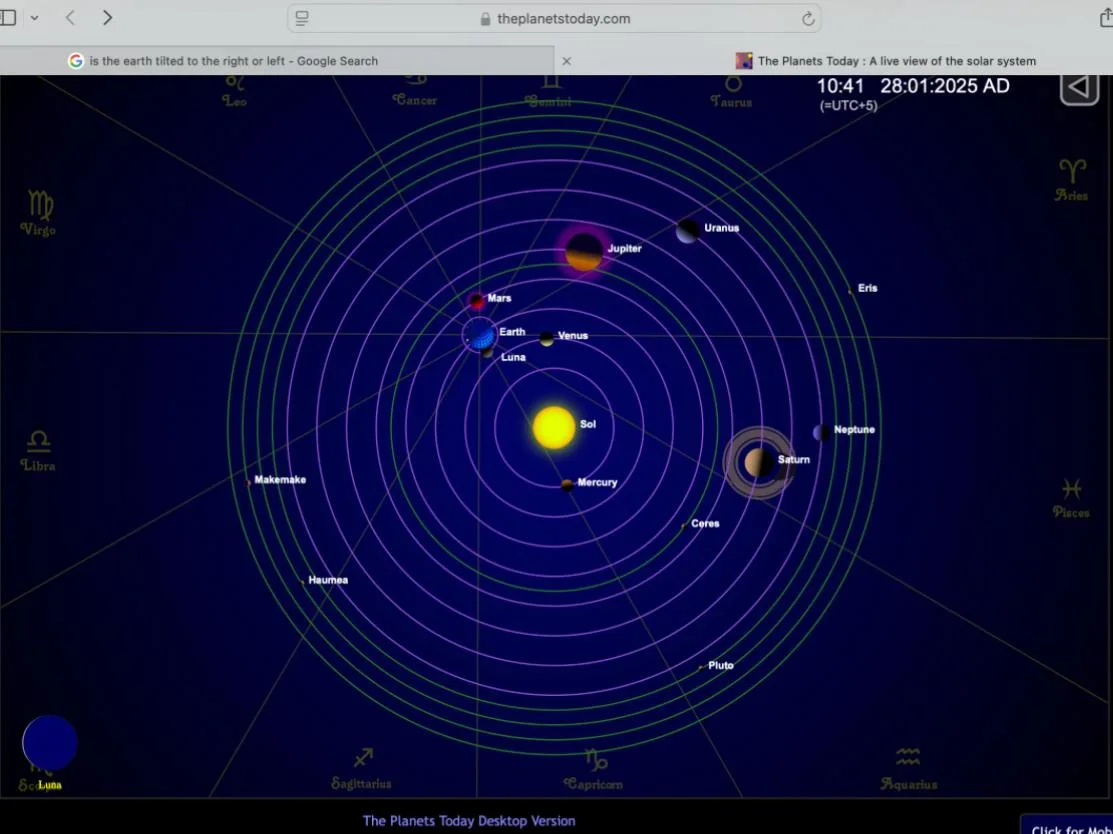
We explain the above discussion with the help of scientific pictures in figures 1-7; some of them are schematic diagrams for better visualization. The real-time night sky map of Prayagraj in January 2025 was taken from various night sky map apps (available openly on the internet) so that one can really appreciate how Jupiter appears to be in Taurus, how the Sun appears to be in Capricorn, etc. This analysis cementifies the deep scientific understanding of ancient Bharat. The details of figures are as follows:
Figure 1 – Parallels of Latitudes on Globe
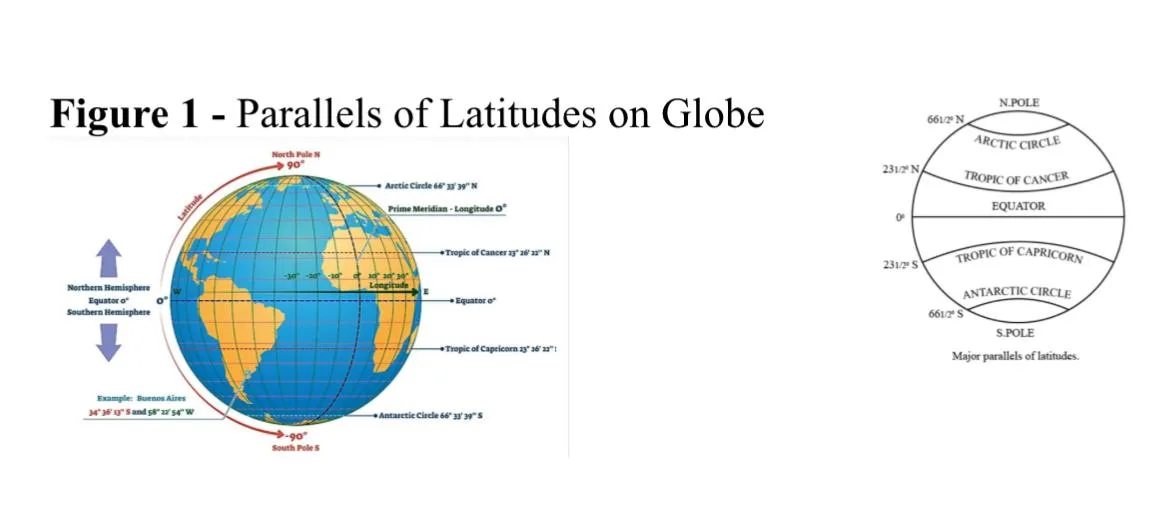
Figure 2 – Schematic diagram of Constellations in the Northern Hemisphere (the yellow sphere is the Sun, smaller one is Earth, seen from Earth). In this picture, the Sun is seen in Leo from Earth (in July-August), and it will be in Capricorn in December-January.
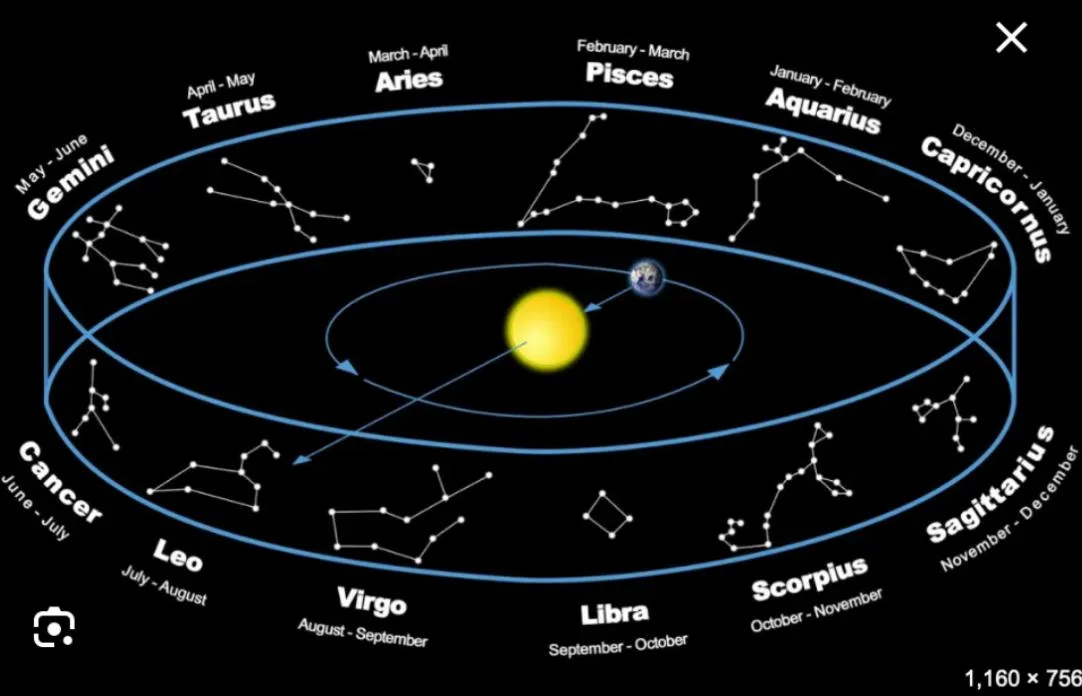
Figure 3 – Photo of real-time Night sky map at Prayagraj, on January 25, 2025. Jupiter can be seen in Tauraus, (Mahakumbh 2025 position) taken from timesanddate.com
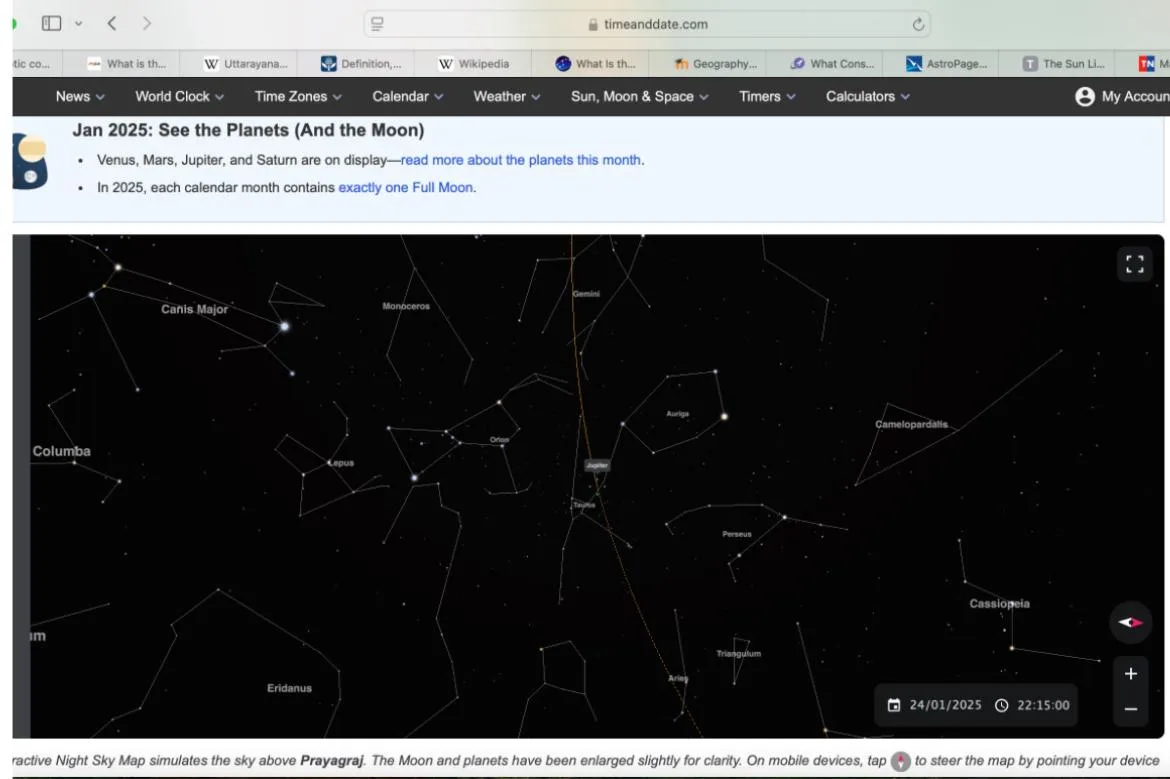
Figure 4- Celestial plane, showing the angles made by planes of different planets with that of Earth
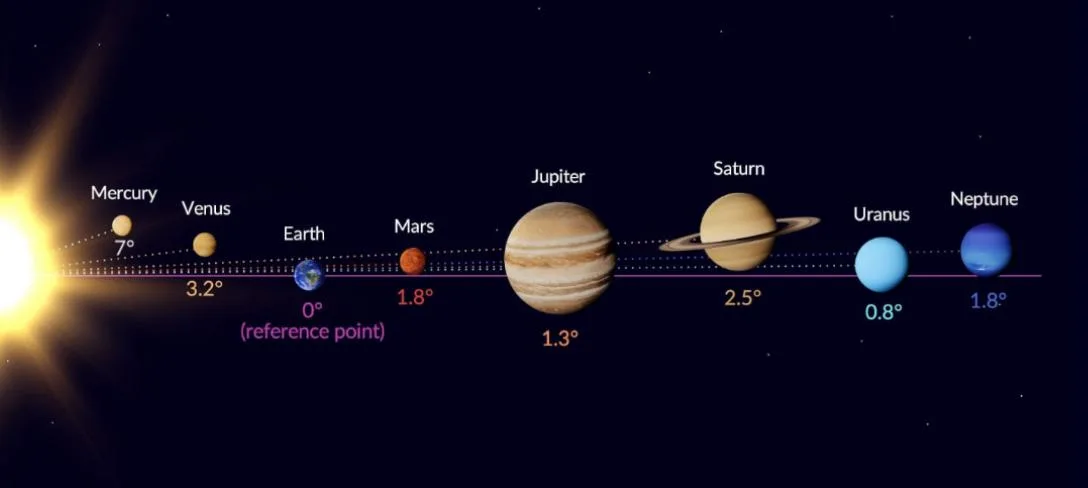
Figure 5 – Sun in Capricorn, On January 25, 2025, as seen from Northern Hemisphere, map taken from skyline.com’. Main stars of Capricorn are seen in the picture.
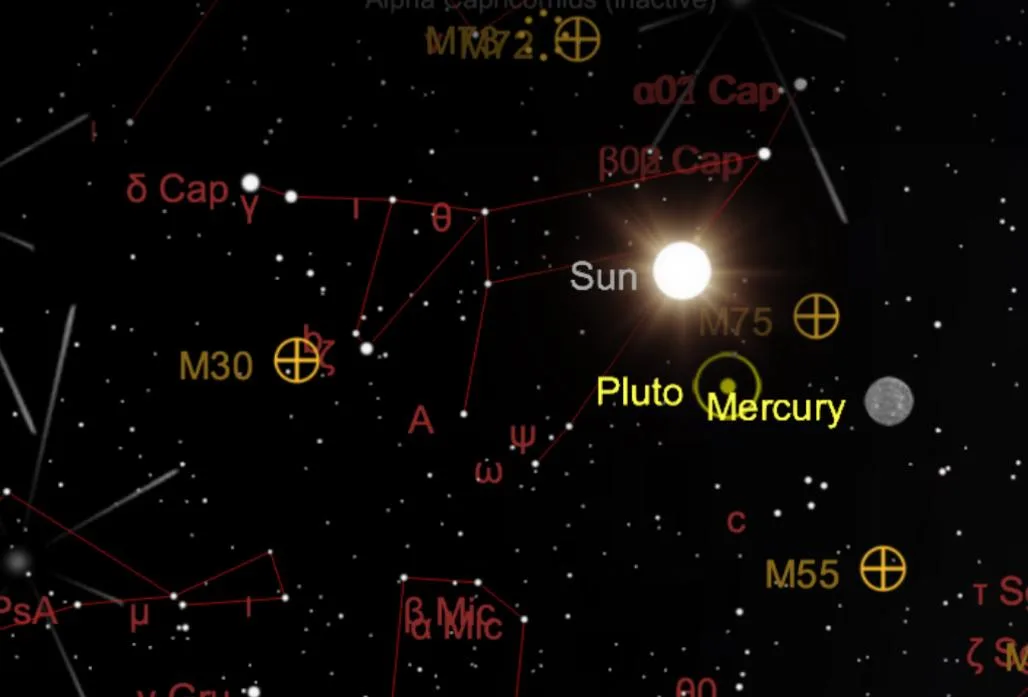
Figure 6- Ecliptic (Sun’s apparent path as seen from Earth), Earth’s plane and Celestial sphere
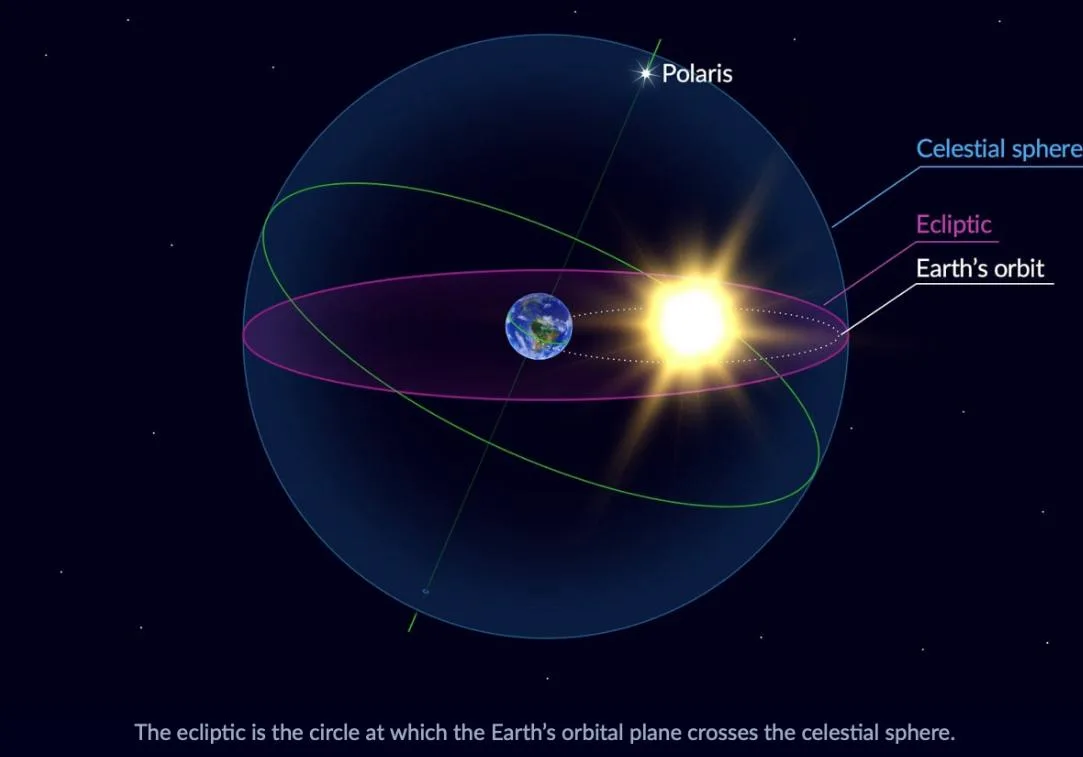
Figure 7 – Position of Jupiter, Sun and Earth nearly in opposition, on 28, January 2025. Jupiter is in Taurus, Sun near Capricorn (constellation of Mahakumbh 2025), taken from theplanetstoday.com
7. Epilogue
Mahakumbh Mela, a unique blend of faith, traditions, and scientific principles, offers a deeper appreciation of the universe’s influence on human life. In this article, we tried to explain Mahakumbh mela from a scientific perspective. We discussed how Jupiter and Sun appear to be in different constellations, and also showed the real time night sky maps, for a visualization of positions of planets in constellations. Along with our citizens, several thousands of devotees from other countries also are looking so happy after coming to Mahakumbh as for them, it has been a new experience of Bharat. The message from this Mahakumbh to the world is – “Vasudhaivam Kutumbakam”, and that while religion divides people, spirituality will save humanity. Because in a family, we protect everyone, and don’t hurt our family members. Truly, a spectacular showcase of faith, social harmony, spiritual and Cultural powers and Sanatan Dharma of Bharat.













Comments