





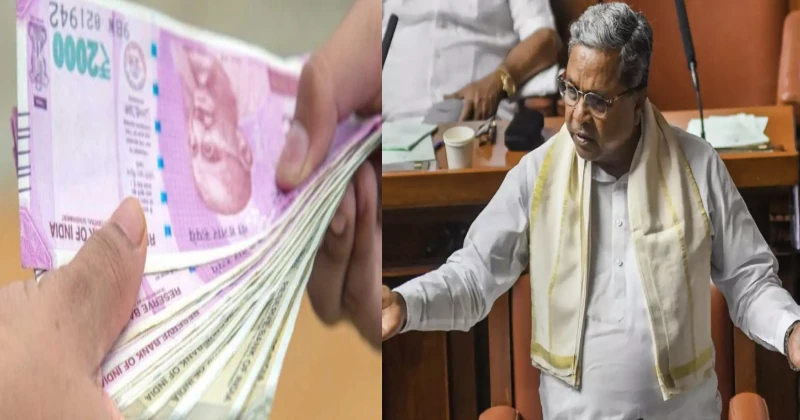
As the Karnataka government grapples with increasing financial challenges, the issue of mounting state debt has come to the forefront of public discourse. Recent reports highlight that the total debt of the state government has surged past Rs 6 lakh crore and is projected to reach Rs 6.65 lakh crore by March 31, 2024. This staggering amount raises critical questions about managing state finances and the sustainability of government policies, particularly regarding the launch of various welfare schemes and freebies aimed at wooing voters.
An Increasing Financial Burden
The figures speak volumes about the state’s fiscal health. In the financial year 2023-24, the government’s total debt increased to Rs 5.80 lakh crore, and the current government is set to add another Rs 1.05 lakh crore in the fiscal year 2024-25. Alarmingly, a significant portion of the expected expenditure, 59 per cent or Rs 62,552 crore, is earmarked for loan repayment and interest payments. This implies that a substantial part of the budget is not allocated to developmental activities or public services, critical components for economic growth.
Karnataka’s Chief Minister Siddaramaiah presented a budget of Rs 3.71 lakh crore for the 2024-25 fiscal year. However, with debt repayments absorbing a significant portion of the budget, concerns grow over the government’s ability to finance essential developmental projects and its overall fiscal responsibility. Critics argue that a government prioritising electoral gains over sound financial management is maturity flawed.
Interest Payments That Outpace Development
The potential outlay for annual interest payments is particularly staggering. Karnataka is expected to spend Rs 37,324 crore on interest in the upcoming year. This reality raises ethical questions about government spending strategies, especially considering the many new welfare schemes introduced or expanded in recent months. The state’s citizens wonder whether the government prioritises immediate electoral gains over long-term financial sustainability.
This trend of relying on increasing debt to fund political agendas is not limited to welfare schemes alone. It reflects a broader pattern of governance where short-term political strategies overshadow longer-term planning and fiscal discipline. It appears that the government is leaning heavily on its ability to borrow, utilising those funds to support various populist initiatives, many of which are aimed at garnering votes rather than addressing foundational societal challenges.
The Cycle of Debt Increases
Many state leaders might argue that borrowing is necessary to enhance public services, develop infrastructure, and improve welfare initiatives. However, the reality is that the state government’s approach has led to an unsustainable pattern of increasing debt levels. As the Gross Domestic Product (GSDP) rises, the borrowing limits increase correspondingly, leading to a greater debt-servicing burden. This cycle strains the state’s financial health and can stifle genuine development efforts.
2024-25, the permissible borrowing limit reaches 25 per cent of the GDP. The state has already borrowed Rs 59,000 crore in the current fiscal year, with most borrowing occurring in the later quarters—an essential point considering the fiscal calendar’s implications for effective financial management. This trend raises concerns that the government may not be adequately prepared to handle repayment requests, as fiscal discipline gives way to electoral promises.
Accusations of Populism at the Expense of Stability
Critics of the government have pointed to the plethora of freebie schemes launched before elections, arguing that these measures are politically motivated and ultimately detrimental to fiscal health. These welfare initiatives often appeal to the electorate’s short-term needs and do not consider the long-term implications of increasing state debt. This has led to accusations that the government prioritises electoral gains over fiscally responsible policies. Politicians must balance the compelling allure of immediate gratifications with the need for responsible governance.
Furthermore, the ethical implications of enticing voters with freebies funded by increasing debt are significant. It raises questions about the equitable distribution of resources and the sustainability of such short-term benefits. As borrowings fund these initiatives, it places future generations under greater financial strain, which would create a pathway towards systemic economic instability.
Call for Responsible Governance
The fiscal outlook for Karnataka raises formidable challenges that demand immediate action from policymakers. The increased overall debt and its implications require thorough scrutiny and strategic revision of financial policies. There needs to be a concerted effort to prioritise capital expenditure dedicated to infrastructure development and essential public services rather than simply funding the present welfare schemes.
The emphasis must shift away from populist measures and towards sustainable economic planning that secures the current electorate’s needs and safeguards future generations’ financial security. This calls for transparency regarding public spending, effective monitoring of welfare programs, and re-evaluating budget allocations to guarantee they enhance citizens’ lives sustainably.
BJP slams Congress Government
The BJP in Karnataka Legislative Assembly, led by R. Ashok, has launched a scathing attack on the state’s Congress government over the alarming rise in the state’s debt burden. According to recent reports, Karnataka’s total debt has reached a staggering Rs 6.65 lakh crore, with each citizen carrying a debt burden of approximately Rs 1 lakh.
Ashok took to social media platform X to express his outrage, stating that the Congress government’s agenda appears to render Karnataka completely bankrupt. He criticised Chief Minister Siddaramaiah, saying that he has made borrowing a full-time job and has successfully pushed the state’s debt to unprecedented levels.
ಕರ್ನಾಟಕವನ್ನು ಸಂಪೂರ್ಣ ದಿವಾಳಿ ಮಾಡಬೇಕೆಂಬುದೇ @INCKarnataka ಸರ್ಕಾರದ ಒನ್ ಲೈನ್ ಅಜೆಂಡಾ!!
ಸಾಲ ಮಾಡುವುದನ್ನೇ ಫುಲ್ ಟೈಂ ಕಾಯಕವನ್ನಾಗಿಸಿಕೊಂಡಿರುವ ಸಿಎಂ @siddaramaiah ಅವರು, ಪ್ರಸ್ತುತ ಕರ್ನಾಟಕದ ಒಟ್ಟು ಸಾಲವನ್ನು 6 ಲಕ್ಷ 65 ಸಾವಿರ ಕೋಟಿಗೆ ಮುಟ್ಟಿಸಿದ್ದಾರೆ.
ಪ್ರತಿ ಕನ್ನಡಿಗನ ಮೇಲೆ ಬರೋಬ್ಬರಿ 1 ಲಕ್ಷ ರೂಪಾಯಿ ಸಾಲದ… pic.twitter.com/hMxGIVLnik
— R. Ashoka (@RAshokaBJP) February 4, 2025
The BJP leader pointed out that during the previous BJP government’s tenure, Karnataka was ranked number one in the innovation index and investment. However, under the current Congress government, the state has become the number one borrower, which is a matter of shame.
Ashok suggested that the Chief Minister should consider changing his name to “Salaramaiah” (meaning “debt” in Kannada), as the state’s debt has been skyrocketing under his leadership. He warned that if the Congress government continues to mismanage the state’s finances, the debt burden could reach ₹12 lakh crore, which would be catastrophic for the people of Karnataka.
The BJP has accused the Congress government of being corrupt and irresponsible, stating that the people of Karnataka will ultimately have to bear the brunt of the government’s mismanagement. The BJP has demanded that the government take immediate action to address the state’s financial crisis and work towards reducing the debt burden.
The issue has sparked a heated debate in the state, with the BJP calling for greater accountability and transparency in the government’s financial dealings. On the other hand, Congress defended its policies, stating that borrowing is necessary for the state’s development and growth.
ರಾಜ್ಯವನ್ನು ದಿವಾಳಿ ಮಾಡುತ್ತಿದೆ ಕಾಂಗ್ರೆಸ್ !
ಅವೈಜ್ಞಾನಿಕ ಗ್ಯಾರಂಟಿ ಯೋಜನೆಗಳಿಂದ ಬೊಕ್ಕಸವನ್ನು ಬರಿದು ಮಾಡಿದ ಕಾಂಗ್ರೆಸ್ ಸರ್ಕಾರ, ಪ್ರತಿ ಕನ್ನಡಿಗನ ಮೇಲೆ ಬರೋಬ್ಬರಿ 1 ಲಕ್ಷ ರೂಪಾಯಿ ಸಾಲದ ಹೊರೆ ಹೊರಿಸಿದೆ. ಸಾಲ ಮಾಡಿ ಸರ್ಕಾರ ನಡೆಸುವ ದೇಶದ ಏಕೈಕ ಮುಖ್ಯಮಂತ್ರಿ ಎಂಬ ಕುಖ್ಯಾತಿಗೆ @siddaramaiah ಅವರು ಪಾತ್ರರಾಗಿದ್ದಾರೆ.… pic.twitter.com/FFhagVXxHs
— BJP Karnataka (@BJP4Karnataka) February 4, 2025
In a strongly worded statement, the BJP said, “If the corrupt Congress government continues to rule the state, the debt burden on the people of Karnataka will only increase. It is certain, definite, and confirmed that the people will have to bear the burden of debt, which is not their own. The BJP demands that the government take immediate action to address the financial crisis and work towards reducing the debt burden.”












Comments