Taj Terror Attack Anniversary: A dark chapter in India's history
December 5, 2025
  • Read Ecopy
  • Circulation
  • Advertise
  • Careers
  • About Us
  • Contact Us
Android AppiPhone AppArattai
Organiser
  • ‌
  • Bharat
    • Assam
    • Bihar
    • Chhattisgarh
    • Jharkhand
    • Maharashtra
    • View All States
  • World
    • Asia
    • Europe
    • North America
    • South America
    • Africa
    • Australia
  • Editorial
  • International
  • Opinion
  • RSS @ 100
  • More
    • Op Sindoor
    • Analysis
    • Sports
    • Defence
    • Politics
    • Business
    • Economy
    • Culture
    • Special Report
    • Sci & Tech
    • Entertainment
    • G20
    • Azadi Ka Amrit Mahotsav
    • Vocal4Local
    • Web Stories
    • Education
    • Employment
    • Books
    • Interviews
    • Travel
    • Law
    • Health
    • Obituary
  • Subscribe
    • Subscribe Print Edition
    • Subscribe Ecopy
    • Read Ecopy
  • ‌
  • Bharat
    • Assam
    • Bihar
    • Chhattisgarh
    • Jharkhand
    • Maharashtra
    • View All States
  • World
    • Asia
    • Europe
    • North America
    • South America
    • Africa
    • Australia
  • Editorial
  • International
  • Opinion
  • RSS @ 100
  • More
    • Op Sindoor
    • Analysis
    • Sports
    • Defence
    • Politics
    • Business
    • Economy
    • Culture
    • Special Report
    • Sci & Tech
    • Entertainment
    • G20
    • Azadi Ka Amrit Mahotsav
    • Vocal4Local
    • Web Stories
    • Education
    • Employment
    • Books
    • Interviews
    • Travel
    • Law
    • Health
    • Obituary
  • Subscribe
    • Subscribe Print Edition
    • Subscribe Ecopy
    • Read Ecopy
Organiser
  • Home
  • Bharat
  • World
  • Operation Sindoor
  • Editorial
  • Analysis
  • Opinion
  • Culture
  • Defence
  • International Edition
  • RSS @ 100
  • Magazine
  • Read Ecopy
Home Bharat

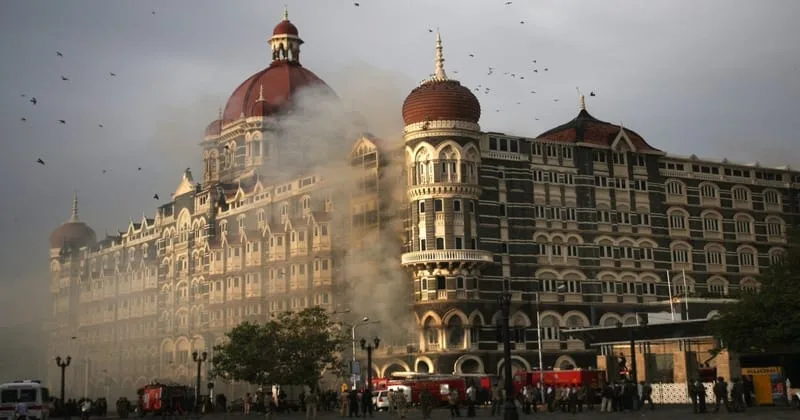
Taj Terror Attack Anniversary: A dark chapter in India’s history

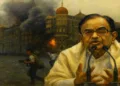
On the anniversary of the 2008 Mumbai attacks, also known as the 26/11 attacks, the series of coordinated terrorist assaults that targeted key locations across the city, including the Taj Mahal Palace Hotel, are a grim reminder of one of the darkest chapter in the history of India

WEBDESKWEBDESK
Nov 26, 2024, 09:00 am IST
in Bharat, Maharashtra
Follow on Google News
26/11 Mumbai Terror Attack

26/11 Mumbai Terror Attack

FacebookTwitterWhatsAppTelegramEmail

The 2008 Mumbai attacks, also known as the 26/11 attacks, were a series of devastating terrorist assaults that shook India and the world. Ten gunmen from the Pakistan-based militant group Lashkar-e-Taiba (LeT) carried out a coordinated attack on multiple high-profile locations across Mumbai, resulting in 175 deaths and more than 300 injuries. The attacks targeted key landmarks, including the Taj Mahal Palace Hotel, Oberoi Trident Hotel, Chhatrapati Shivaji Maharaj Terminus (CSMT), and Nariman House.

Mumbai, India’s financial hub, had been a frequent target of terrorism in the years leading up to the 2008 attacks. In 1993, a series of bomb blasts rocked the city, killing 257 people and injuring hundreds more. Further terrorist attacks followed, including the 2006 Mumbai train bombings, which claimed 209 lives. These incidents were often linked to Pakistan-based terror groups such as Lashkar-e-Taiba (LeT) and the Students Islamic Movement of India (SIMI). The 26/11 attacks marked a significant intensification of this violence, with terrorists planning and executing one of the most sophisticated assaults in India’s history.

The Planning and Execution of the Attacks

The attackers, who were well-trained in marine warfare and urban combat, hijacked an Indian fishing trawler and sailed from Karachi, Pakistan, to Mumbai. After killing the crew of the trawler, the gunmen entered Mumbai on inflatable boats, splitting up to carry out the attacks across the city. They were armed with AK-47 assault rifles, grenades, and other high-powered weapons.

The terrorists had been trained in Pakistan, where they underwent extensive combat and marine warfare training under the guidance of military instructors from the Pakistani army and Inter-Services Intelligence (ISI). This preparation was supplemented with detailed reconnaissance of their targets, including the Taj Mahal Palace Hotel, Oberoi Trident Hotel, Chhatrapati Shivaji Maharaj Terminus, and Nariman House.

Locations Attacked

Taj Mahal Palace Hotel

The attacks began at around 9:30 pm on November 26, 2008, with the Taj Mahal Palace Hotel, an iconic landmark, being the main site of the assault. The gunmen stormed the hotel, taking hostages and engaging in intense firefights with security forces. Six explosions were reported at the Taj, including blasts in the lobby, elevators, and restaurants. Security personnel and firefighters worked tirelessly to rescue hostages, but it was only after a three-day siege that the final attackers were killed and the situation was brought under control. The attack resulted in the deaths of 32 hostages, including several foreigners.

Chhatrapati Shivaji Maharaj Terminus

Two gunmen, Ismail Khan and Ajmal Kasab, entered the busy Chhatrapati Shivaji Maharaj Terminus (CSMT). Armed with AK-47 assault rifles, they opened fire indiscriminately on passengers in the crowded station. The gunmen killed 58 people and injured 104 before fleeing the station, continuing their killing spree on the streets. Kasab was eventually caught alive after a gun battle with the police.

Leopold Cafe

The Leopold Cafe, a popular tourist spot on Colaba Causeway, was one of the first places attacked. Two gunmen, Shoaib and Nazir, opened fire at the cafe, killing 10 people and injuring many more.

Oberoi Trident Hotel

The Oberoi Trident Hotel was also targeted in the coordinated assault. Similar to the Taj, attackers took hostages and fought with security forces inside the building. The hostages were rescued, but the hotel sustained significant damage during the attack. Thirty-two people were killed, including hotel staff and guests, and more than 100 were injured.

Nariman House

Nariman House, a Jewish community centre, was also seized by the attackers. Two gunmen entered the building and held several hostages, including Rabbi Gavriel Holtzberg, his pregnant wife Rivka, and four others. After a prolonged standoff, the National Security Guard (NSG) commandos stormed the building, rescuing nine hostages. Tragically, the Rabbi and his wife were among the casualties.

The Role of the National Security Guard (NSG)

The National Security Guard (NSG), India’s elite counter-terrorism force, played a critical role in the rescue operations. Commandos from the NSG were deployed to the Oberoi Trident and Taj Mahal hotels. They faced intense opposition from the heavily armed attackers, but through a series of tactical assaults, they successfully neutralised the terrorists and rescued hundreds of hostages. The final operation at the Taj was completed on November 29, 2008, with the deaths of the remaining attackers and the securement of the hotel. The NSG commandos displayed extraordinary bravery, with several officers losing their lives in the line of duty.

The Aftermath: Stories of Sacrifice and Valour

The attacks resulted in the deaths of 175 people, including nine of the attackers. Over 300 people were injured, many critically. The tragedy highlighted the vulnerability of major urban centres to terrorist attacks and the resilience of the people of Mumbai, who came together to support the victims and the security forces in the aftermath.

Several individuals demonstrated extraordinary courage during the attacks, including the Mumbai Police, firemen, and ordinary citizens. Railway announcer Vishnu Zende’s quick thinking helped save many lives at Chhatrapati Shivaji Maharaj Terminus by alerting passengers to evacuate.

One of the most notable heroes was Hemant Karkare, the chief of the Maharashtra Anti-Terrorism Squad (ATS), who was tragically killed during the firefight with the terrorists at the CST station. Another hero was Tukaram Ombale, a police constable who captured one of the terrorists alive, though he lost his life in the process. His bravery provided crucial intelligence that helped Indian authorities prevent further attacks.

In the aftermath of the attacks, Indian authorities quickly identified the attackers as members of Lashkar-e-Taiba, a Pakistan-based militant group. Ajmal Kasab, the only surviving attacker, was arrested and later convicted, providing key insights into the planning and execution of the attacks. Pakistan confirmed that Kasab was a Pakistani citizen.

The 2008 Mumbai attacks were a grim reminder of the global threat of terrorism and the need for greater vigilance and cooperation in countering extremist violence. While the attacks caused immense suffering, they also showcased the bravery of security forces, first responders, and ordinary citizens who risked their lives to save others.


Topics: Lashkar-e-TaibaMumbai attacks26/11 attacks26/11 Mumbai terror attacksTaj Mahal Hotel attackMumbaiterror attack
Share4TweetSendShareSend
✮ Subscribe Organiser YouTube Channel. ✮
✮ Join Organiser's WhatsApp channel for Nationalist views beyond the news. ✮
Previous News

J&K: Shopkeepers, pony and palki owners protest in Katra against planned ropeway project on Tarakote route

Next News

Samvidhan Ka Amrit Mahotsav: How communists and socialists have undermined Constitution

Related News

Al-Qaeda operative Abdur Rehman (File Image)

Odisha: Al-Qaeda operative Mohd Abdur Rehman denied bail by Orissa High Court

Militant groups in Pakistan adopt women-focused training under the guise of empowerment to expand jihadi networks

Lashkar-e-Taiba trains women for Jihad targeting India after Operation Sindoor, leaked videos reveal

Representative image

ISKP- Lashkar Coming Together: Pakistan’s ISI new terror matrix against India

NIA chargesheets Bihar labourer for aiding LeT in terror conspiracy

NIA chargesheets Akhalatur, migrant labourer from Bihar for aiding LeT in terror conspiracy across Tamil Nadu and J-K

Representative image

NIA chargesheets eight more, including four absconders, in LeT linked transnational narco-terror case

Representative image

Confession of Chidambaram: How Congress betrayed Bharat

Load More

Comments

The comments posted here/below/in the given space are not on behalf of Organiser. The person posting the comment will be in sole ownership of its responsibility. According to the central government's IT rules, obscene or offensive statement made against a person, religion, community or nation is a punishable offense, and legal action would be taken against people who indulge in such activities.

Latest News

Thirupparankundram Karthigai Deepam utsav

Andhra Pradesh: AP Dy CM Pawan Kalyan reacts to Thirupparankundram row, flags concern over religious rights of Hindus

23rd India-Russia Annual Summit

India-Russia Summit heralds new chapter in time-tested ties: Inks MoUs in economic, defence, tourism & education

DGCA orders probe into IndiGo flight disruptions; Committee to report in 15 days

BJYM leader Shyamraj with Janaki

Kerala: Widow of BJP worker murdered in 1995 steps into electoral battle after three decades at Valancherry

Russian Sber bank has unveiled access to its retail investors to the Indian stock market by etching its mutual fund to Nifty50

Scripting economic bonhomie: Russian investors gain access to Indian stocks, Sber unveils Nifty50 pegged mutual funds

Petitioner S Vignesh Shishir speaking to the reporters about the Rahul Gandhi UK citizenship case outside the Raebareli court

Rahul Gandhi UK Citizenship Case: Congress supporters create ruckus in court; Foreign visit details shared with judge

(L) Kerala High Court (R) Bouncers in Trippoonithura temple

Kerala: HC slams CPM-controlled Kochi Devaswom Board for deploying bouncers for crowd management during festival

Fact Check: Rahul Gandhi false claim about govt blocking his meet with Russian President Putin exposed; MEA clears air

Union Minister for Road Transport and Highways Nitin Gadkari (Right)

India set for highway overhaul as Union Minister Nitin Gadkari unveils nationwide shift to MLFF electronic tolling

RSS Akhil Bharatiya Prachar Pramukh Shri Sunil Ambekar

When Narrative Wars result in bloodshed, countering them becomes imperative: Sunil Ambekar

Load More
  • Privacy
  • Terms
  • Cookie Policy
  • Refund and Cancellation
  • Delivery and Shipping

© Bharat Prakashan (Delhi) Limited.
Tech-enabled by Ananthapuri Technologies

  • Home
  • Search Organiser
  • Bharat
    • Assam
    • Bihar
    • Chhattisgarh
    • Jharkhand
    • Maharashtra
    • View All States
  • World
    • Asia
    • Africa
    • North America
    • South America
    • Europe
    • Australia
  • Editorial
  • Operation Sindoor
  • Opinion
  • Analysis
  • Defence
  • Culture
  • Sports
  • Business
  • RSS @ 100
  • Entertainment
  • More ..
    • Sci & Tech
    • Vocal4Local
    • Special Report
    • Education
    • Employment
    • Books
    • Interviews
    • Travel
    • Health
    • Politics
    • Law
    • Economy
    • Obituary
  • Subscribe Magazine
  • Read Ecopy
  • Advertise
  • Circulation
  • Careers
  • About Us
  • Contact Us
  • Policies & Terms
    • Privacy Policy
    • Cookie Policy
    • Refund and Cancellation
    • Terms of Use

© Bharat Prakashan (Delhi) Limited.
Tech-enabled by Ananthapuri Technologies