





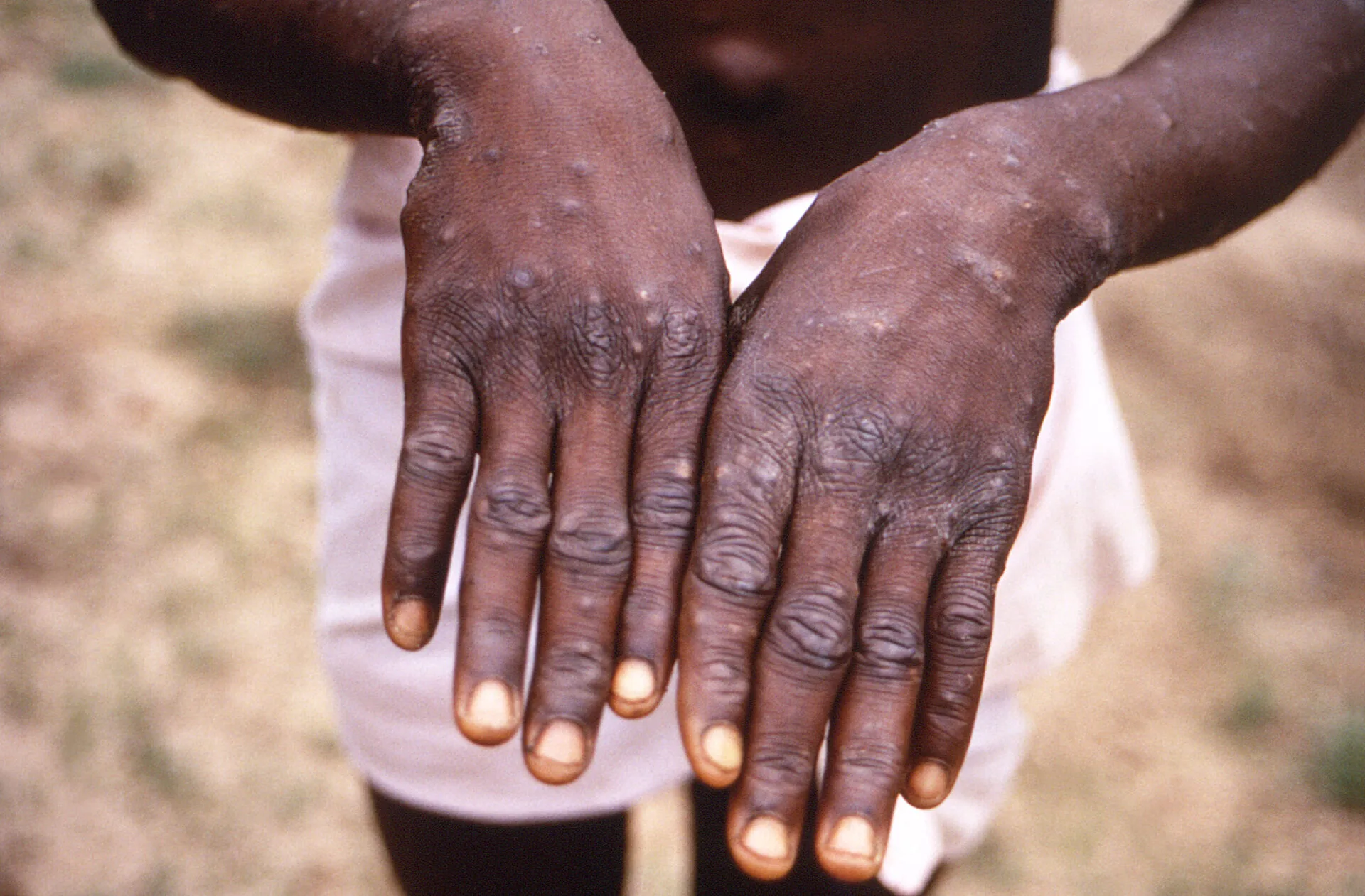
The resurgence of monkeypox (Mpox) in recent years has caused global concern. With its rapid spread and severe symptoms, Mpox has posed significant public health challenges. As the world grapples with finding effective treatments and preventive measures, Ayurveda, India’s ancient system of medicine, offers a holistic approach to managing and possibly shielding oneself from the disease. By focusing on balancing the body’s energies and boosting immunity, Ayurveda could serve as a vital complement to modern healthcare strategies against Mpox.
Understanding Mpox
Mpox, caused by the monkeypox virus, is a viral zoonotic disease that can spread from animals to humans, and also between humans. Its symptoms include fever, rash, body aches, and swollen lymph nodes, closely resembling smallpox, though less severe. While antiviral drugs and vaccines developed for smallpox are currently being used to combat Mpox, a holistic approach is essential, particularly for prevention and immunity strengthening. This is where Ayurveda, with its focus on balance, immunity, and natural healing, offers time-tested solutions.
Ayurveda’s holistic approach to disease
Ayurveda, which means the “science of life,” is based on the concept of maintaining balance in the body’s three vital energies, or doshas — Vata, Pitta, and Kapha. According to Ayurvedic principles, an imbalance in these doshas leads to illness. When it comes to infectious diseases like Mpox, Ayurveda emphasises strengthening the immune system, detoxifying the body, and maintaining overall vitality to prevent the virus from taking hold.
Ayurvedic practitioners believe that epidemics arise due to an imbalance in nature and the collective weakening of individual immunity. Therefore, for diseases like Mpox, the focus is on boosting Ojas, the body’s vital energy, which serves as a protective shield against infections.
Ayurvedic remedies for boosting immunity against Mpox
Ayurveda prescribes a combination of herbs, lifestyle changes, and dietary modifications to bolster immunity and promote overall well-being, which is crucial in the fight against viral infections like Mpox.
1. Ashwagandha (Withania somnifera): Known for its adaptogenic properties, Ashwagandha helps reduce stress and strengthens the immune system. It is traditionally used to increase resilience against viral infections.
2. Guduchi (Tinospora cordifolia): Guduchi, or Giloy, is regarded as an excellent immunomodulator. It helps in detoxification and boosting the body’s resistance to infections, making it ideal for strengthening immunity against viruses like the monkeypox virus.
3. Tulsi (Ocimum sanctum): Tulsi, or Holy Basil, is revered in Ayurveda for its potent antiviral, antibacterial, and anti-inflammatory properties. Consuming Tulsi regularly helps to improve immunity and protect against respiratory infections.
4. Neem (Azadirachta indica): Known for its purifying properties, Neem detoxifies the body and boosts the immune system. Its antiviral effects make it a good preventive measure against viral infections like Mpox.
5. Amalaki (Emblica officinalis): Amalaki, or Indian Gooseberry, is one of the richest sources of Vitamin C, which plays a vital role in improving immunity. It also acts as a powerful antioxidant and rejuvenator.
Ayurvedic lifestyle practices to support immunity
Ayurveda is not limited to herbal treatments; it emphasises a holistic approach that includes lifestyle changes, such as:
1. Dinacharya (Daily Routine): Establishing a stable routine that includes waking up early, exercising, and practicing mindfulness techniques like yoga and meditation helps to maintain physical and mental equilibrium. Yoga postures like Surya Namaskar (Sun Salutation) and Pranayama (breathing exercises) enhance lung capacity and circulation, improving overall immunity.
2. Sattvic Diet: A balanced, nutritious diet is vital for building immunity. Ayurveda recommends a sattvic diet rich in fruits, vegetables, whole grains, and legumes, which helps detoxify the body and boost energy levels. Avoiding processed, spicy, and oily foods is advised to prevent Kapha imbalance, which could lead to weakened immunity.
3. Nasya (Nasal Therapy): Applying medicated oils like Anu Taila to the nasal passages helps to strengthen the respiratory tract, which can be particularly vulnerable to viral infections. This practice, done regularly, is believed to prevent the entry of pathogens through the nose, the most common route for airborne viruses.
4. Panchakarma (Detoxification Therapy): Panchakarma therapies, including Virechana (therapeutic purgation) and Abhyanga (therapeutic massage with medicated oils), are recommended to cleanse the body of toxins (Ama) and rejuvenate the immune system.
Ayurvedic prevention strategies
Prevention is the cornerstone of Ayurveda, and it offers several strategies to shield oneself from contagious diseases like Mpox. Key recommendations include:
1. Rasayana Therapy: This is the practice of rejuvenation therapy aimed at enhancing vitality and longevity. It includes the use of Rasayana herbs like Ashwagandha, Shatavari (Asparagus racemosus), and Brahmi (Bacopa monnieri) to strengthen the immune system and protect against infections.
2. Avoiding Virudhha Ahara (Incompatible Foods): In Ayurveda, eating incompatible foods — such as consuming milk with sour fruits — is believed to cause toxin accumulation in the body, weakening the immune system. Such foods should be avoided to maintain digestive health and immunity.
3. Social Distancing and Hygienic Practices: Ayurveda advocates maintaining personal hygiene and cleanliness, including regular hand washing and keeping one’s surroundings clean to reduce the risk of infection. Though an ancient practice, these measures align with modern recommendations for preventing the spread of viral diseases.
Integrating Ayurveda with modern medicine
While Ayurveda offers a powerful shield in the form of prevention and immunity enhancement, it is essential to integrate these practices with modern medicine. Vaccines, antiviral treatments, and quarantine protocols should continue to be followed. Ayurveda’s role is complementary, not a replacement for modern medical intervention, especially in severe cases of Mpox where immediate medical treatment is necessary.
Combining the two systems — Ayurveda’s preventive and strengthening methods with modern medical treatment — provides a comprehensive approach to tackling viral diseases like Mpox.
As the world seeks solutions to combat emerging viral threats, Ayurveda offers a unique, time-tested approach that emphasises the importance of holistic well-being, prevention, and immunity strengthening. By incorporating Ayurvedic principles into daily life, individuals can not only shield themselves against diseases like Mpox but also improve their overall health and resilience.
















Comments