Average household food spending drops below 50 percent for the first time since 1947
August 23, 2026
  • Read Ecopy
  • Circulation
  • Advertise
  • Careers
  • About Us
  • Contact Us
Android AppiPhone AppArattai
Organiser
  • ‌
  • Bharat
    • Assam
    • Bihar
    • Chhattisgarh
    • Jharkhand
    • Maharashtra
    • View All States
  • World
    • Asia
    • Europe
    • North America
    • South America
    • Africa
    • Australia
  • Editorial
  • International
  • Opinion
  • RSS @ 100
  • More
    • Op Sindoor
    • Analysis
    • Sports
    • Defence
    • Politics
    • Business
    • Economy
    • Culture
    • Special Report
    • Sci & Tech
    • Entertainment
    • G20
    • Azadi Ka Amrit Mahotsav
    • Vocal4Local
    • Web Stories
    • Education
    • Employment
    • Books
    • Interviews
    • Travel
    • Law
    • Health
    • Obituary
  • Subscribe
    • Subscribe Print Edition
    • Subscribe Ecopy
    • Read Ecopy
  • ‌
  • Bharat
    • Assam
    • Bihar
    • Chhattisgarh
    • Jharkhand
    • Maharashtra
    • View All States
  • World
    • Asia
    • Europe
    • North America
    • South America
    • Africa
    • Australia
  • Editorial
  • International
  • Opinion
  • RSS @ 100
  • More
    • Op Sindoor
    • Analysis
    • Sports
    • Defence
    • Politics
    • Business
    • Economy
    • Culture
    • Special Report
    • Sci & Tech
    • Entertainment
    • G20
    • Azadi Ka Amrit Mahotsav
    • Vocal4Local
    • Web Stories
    • Education
    • Employment
    • Books
    • Interviews
    • Travel
    • Law
    • Health
    • Obituary
  • Subscribe
    • Subscribe Print Edition
    • Subscribe Ecopy
    • Read Ecopy
Organiser
  • Home
  • Bharat
  • World
  • Operation Sindoor
  • Editorial
  • Analysis
  • Opinion
  • Culture
  • Defence
  • International Edition
  • RSS @ 100
  • Magazine
  • Read Ecopy
Home Bharat

Average household food spending drops below 50 percent for the first time since 1947

The paper, titled “Changes in India’s Food Consumption and Policy Implications” by the Economic Advisory Council (EAC) to the Prime Minister, highlights this trend as a marker of substantial progress since the country's independence in 1947

WEBDESKWEBDESK
Sep 10, 2024, 10:00 pm IST
inBharat, Economy
Follow on Google News
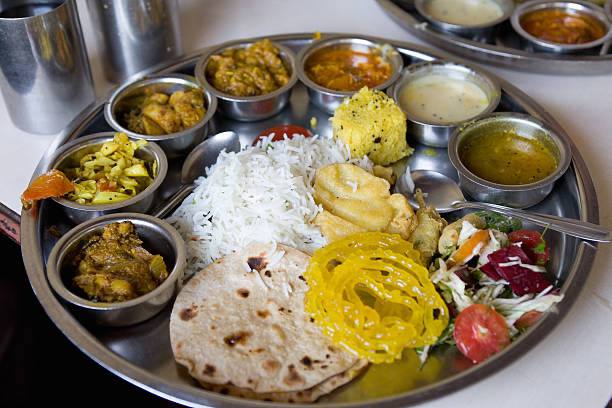
A representative image

A representative image

Facebook
Twitter
WhatsAppTelegramEmail

India is witnessing a significant transformation in its food consumption patterns, with a notable decline in the share of total household expenditure on food across both rural and urban areas, according to a recent government report. The paper, titled “Changes in India’s Food Consumption and Policy Implications” by the Economic Advisory Council (EAC) to the Prime Minister, highlights this trend as a marker of substantial progress since the country’s independence in 1947.

For the first time in modern India’s history, average household spending on food has fallen to less than half of the total monthly expenditure of households. This shift reflects broader economic and social changes, driven by effective government policies and rising incomes.

Decline in cereal expenditure and dietary diversification

One of the key findings of the EAC-PM report is the sharp decline in the share of household expenditure on cereals across all states and union territories, affecting both rural and urban households. This reduction is particularly pronounced among the bottom 20 percent of households, suggesting the success of the government’s food security initiatives, such as the Pradhan Mantri Garib Kalyan Anna Yojana (PMGKAY), which provides free food grains to around 800 million eligible people nationwide.

As households spend less on cereals, they are diversifying their diets by allocating more of their budgets to milk and milk products, fresh fruits, and animal-based foods like eggs, fish, and meat. This shift is seen as a positive development, reflecting improved food security and nutritional outcomes for a large section of the population.

Policy implications for agriculture, health, and nutrition

The report outlines several policy implications arising from these changes in household food expenditure. As India’s consumption patterns evolve, agricultural policies will need to be adjusted to support the production and availability of a wider variety of food items beyond cereals. The paper recommends that the government continue to support agricultural initiatives that promote the cultivation and distribution of fruits, vegetables, and animal-source foods to meet shifting household demands and improve supply factors.

The report also suggests that policies like the Minimum Support Price (MSP), which has traditionally focused on cereal procurement, will have a limited impact on improving farmers’ welfare in the long term. Given the declining consumption of cereals across all wealth classes, it may be necessary to diversify the support offered to farmers to align with changing consumer preferences.

Rise in processed food consumption and health concerns

The report also observes a significant increase in household spending on served and packaged processed foods, a trend that is more pronounced among the top 20 percent of households and particularly noticeable in urban areas. While the food processing sector is recognised as a key driver of economic growth and job creation, the rising consumption of processed foods is raising concerns about potential health impacts.

To address these concerns, the report calls for policies to regulate the nutritional content of processed foods and promote healthier alternatives. This approach is seen as essential for safeguarding public health outcomes while continuing to support the growth of the food processing sector.

Impact on consumer price index 

The changing consumption patterns will also impact the calculation of the Consumer Price Index (CPI) in the future. As the demand for different food items shifts, and supply factors improve, there may be further changes in price indices that influence economic policy. The report suggests that the government should continue to support policies that enhance the production and accessibility of diverse food items to cater to these evolving consumption trends.


Topics: MSPEAC reportAverage household food spendingProcessed food consumption in India
Share1
Tweet
SendShareSend
✮ Subscribe Organiser YouTube Channel. ✮
✮ Join Organiser's WhatsApp channel for Nationalist views beyond the news. ✮
Previous News

Maoists grappling with infight among the local and outside cadres in Chhattisgarh: IGP Bastar, Sunderraj P

Next News

US climate policies reach a critical juncture which stands unclear amidst the election fever

Related News

A representative image

PM-AASHA: How the government steps in when farm prices crash

Representative Image

From Forest Gatherers to Forest Entrepreneurs: How PMJVM is rewriting India’s Janjati economy

As farmers protest in Madhya Pradesh, CM Mohan Yadav gets Centre pushback

MP hikes moong procurement to 60 percent at MSP, suspends e-token for fertiliser distribution post-farmers protest

(Left) Union Food and Civil Supplies Minister Pralhad (Right) Karnataka CM Siddaramaiah

Karnataka: Prahlad Joshi tears into Siddaramaiah for ‘blatant lies’, accuses CM of betraying farmers of the state

Assam Chief Minister Himanta Biswa Sarma

Assam CM says caste certificate issue resolved for tea tribes, vanvasi communities after talks with student bodies

A representative image

Government expands price support scheme to enhance farmer welfare and increase pulses production

Load More

Latest News

Jharkhand Students Protest

JPSC-JSSC Exam Row: Jharkhand students show the real way to protest

Syed Abubakar held for social media links with Pakistani gangsters

Karnataka: Mechanic Syed Abubakar held for social media links with Pakistani gangsters; Probe underway

Representative Image

Balochistan: Hindu trader shot dead in Noshki; Policeman killed, 6 injured in IED blast in Mastung

SHANTI Act: When nuclear power transforms as national power

Sapta Dhara: Seven streams of national power with civilisational resonance

A representative image

How PM Janjatiya Vikas Mission is turning forest produce into tribal livelihoods

A representative image

Union government unveils five-year Rs 62,500 crore mobile manufacturing scheme

A Representative image

Centre steps up push for women-led rural enterprises with new entrepreneurship drive

A representative image

PM-AASHA: How the government steps in when farm prices crash

UP CM Yogi Adityanath has ordered strict action, including under the Essential Services Maintenance Act, against hoarding and black-marketing of Sugar

No Sugar Shortage in Uttar Pradesh: CM Yogi orders crackdown on hoarders, black-marketers

Load More
  • Privacy
  • Terms
  • Cookie Policy
  • Refund and Cancellation
  • Delivery and Shipping

© Bharat Prakashan (Delhi) Limited.
Tech-enabled by Ananthapuri Technologies

  • Home
  • Search Organiser
  • Bharat
    • Assam
    • Bihar
    • Chhattisgarh
    • Jharkhand
    • Maharashtra
    • View All States
  • World
    • Asia
    • Africa
    • North America
    • South America
    • Europe
    • Australia
  • Editorial
  • Operation Sindoor
  • Opinion
  • Analysis
  • Defence
  • Culture
  • Sports
  • Business
  • RSS @ 100
  • Entertainment
  • More ..
    • Sci & Tech
    • Vocal4Local
    • Special Report
    • Education
    • Employment
    • Books
    • Interviews
    • Travel
    • Health
    • Politics
    • Law
    • Economy
    • Obituary
  • Subscribe Magazine
  • Read Ecopy
  • Advertise
  • Circulation
  • Careers
  • About Us
  • Contact Us
  • Policies & Terms
    • Privacy Policy
    • Cookie Policy
    • Refund and Cancellation
    • Terms of Use

© Bharat Prakashan (Delhi) Limited.
Tech-enabled by Ananthapuri Technologies