Specific gut bacteria raise risk of severe malaria: Research
December 5, 2025
  • Read Ecopy
  • Circulation
  • Advertise
  • Careers
  • About Us
  • Contact Us
Android AppiPhone AppArattai
Organiser
  • ‌
  • Bharat
    • Assam
    • Bihar
    • Chhattisgarh
    • Jharkhand
    • Maharashtra
    • View All States
  • World
    • Asia
    • Europe
    • North America
    • South America
    • Africa
    • Australia
  • Editorial
  • International
  • Opinion
  • RSS @ 100
  • More
    • Op Sindoor
    • Analysis
    • Sports
    • Defence
    • Politics
    • Business
    • Economy
    • Culture
    • Special Report
    • Sci & Tech
    • Entertainment
    • G20
    • Azadi Ka Amrit Mahotsav
    • Vocal4Local
    • Web Stories
    • Education
    • Employment
    • Books
    • Interviews
    • Travel
    • Law
    • Health
    • Obituary
  • Subscribe
    • Subscribe Print Edition
    • Subscribe Ecopy
    • Read Ecopy
  • ‌
  • Bharat
    • Assam
    • Bihar
    • Chhattisgarh
    • Jharkhand
    • Maharashtra
    • View All States
  • World
    • Asia
    • Europe
    • North America
    • South America
    • Africa
    • Australia
  • Editorial
  • International
  • Opinion
  • RSS @ 100
  • More
    • Op Sindoor
    • Analysis
    • Sports
    • Defence
    • Politics
    • Business
    • Economy
    • Culture
    • Special Report
    • Sci & Tech
    • Entertainment
    • G20
    • Azadi Ka Amrit Mahotsav
    • Vocal4Local
    • Web Stories
    • Education
    • Employment
    • Books
    • Interviews
    • Travel
    • Law
    • Health
    • Obituary
  • Subscribe
    • Subscribe Print Edition
    • Subscribe Ecopy
    • Read Ecopy
Organiser
  • Home
  • Bharat
  • World
  • Operation Sindoor
  • Editorial
  • Analysis
  • Opinion
  • Culture
  • Defence
  • International Edition
  • RSS @ 100
  • Magazine
  • Read Ecopy
Home World

Specific gut bacteria raise risk of severe malaria: Research

The researchers have found, many types of bacteria that, when present in the stomach, are associated with an elevated risk of getting severe malaria in humans and mice

WEBDESKWEBDESK
Oct 31, 2023, 11:00 pm IST
in World, Health
Follow on Google News
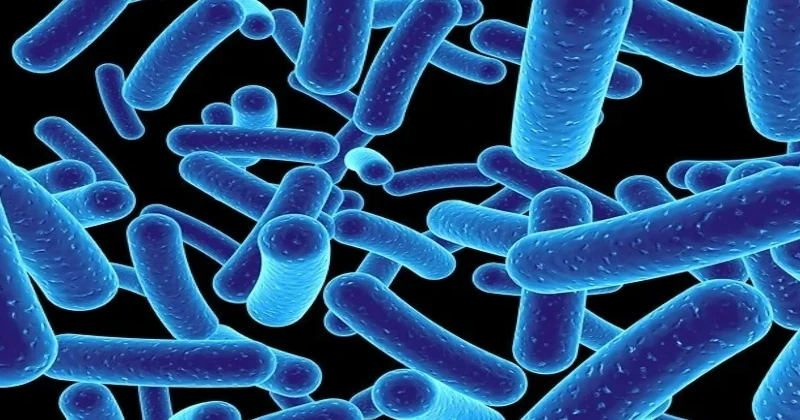
Gut Bacteria (Representative Image)

Gut Bacteria (Representative Image)

FacebookTwitterWhatsAppTelegramEmail

Researchers at Indiana University School of Medicine have found many types of bacteria that, when present in the stomach, are associated with an elevated risk of getting severe malaria in humans and mice. Their findings, which were recently published in Nature Communications, could pave the way for the development of novel methods aimed at gut bacteria in order to prevent severe malaria and its related mortality.

Malaria is a life-threatening infectious disease caused by parasites transmitted through the bite of infected mosquitoes. According to the World Health Organisation’s latest World Malaria Report, an estimated 619,000 people died from malaria globally in 2021, with 76 per cent of those deaths occurring in children age 5 or younger.

IU School of Medicine’s Nathan Schmidt, PhD, an associate professor of pediatrics with the Ryan White Center for Pediatric Infectious Disease and Global Health and the Herman B Wells Center for Pediatric Research, said previous efforts to combat the disease have led to several advancements in malaria treatment and prevention, including new vaccines and antimalarial drugs, insecticides to manage mosquito populations and improved health care processes. However, he said new developments are desperately needed because the gains made in decreasing malaria-related deaths between the early 2000s and late 2010s have plateaued over the last five years.

“This plateau highlights the need for novel approaches to prevent malaria-related fatalities,” said Schmidt, whose research lab is focused on investigating this global health crisis and its critical impact on children. “Presently, there are no approaches that target gut microbiota. Therefore, we believe that our approach represents an exciting opportunity.”

In a pivotal 2016 article published in PNAS, Schmidt and his colleagues made a groundbreaking discovery in their experimental models: the gut microbiota has the capability to influence the severity of malaria. This revelation ignited their determination to pinpoint the precise microorganisms, called “Bacteroides,” within the intestinal tract that orchestrate this effect.

In their latest study, the researchers found mice harboring particular species of Bacteroides were notably associated with an elevated risk of severe malaria. A similar correlation was also observed in the intestinal tracts of children afflicted with severe malaria.

Most of the Schmidt lab’s research has been conducted using mouse models of malaria. Thanks to collaboration with several colleagues in the field, the research team was able to extend its observations by studying approximately 50 children with malaria in Uganda. They plan to continue their clinical observations by working with a cohort of over 500 children with malaria.

This collaboration was made possible by the joint efforts of Chandy John, MD, MS, of IU School of Medicine; Ruth Namazzi, MB ChB, MMEd, of Makerere University; and Robert Opoka, MD, MPH, of Global Health Uganda.

Together, they are evaluating how severe malaria may affect child neurodevelopment by studying children from households with a history of severe malaria. While these children may not display any symptoms of illness, some carry the malaria parasite in their blood, allowing researchers to explore risk factors associated with the development of severe malaria, including variations observed in the microbiome.

“Dr. Namazzi, Dr. Opoka and I aren’t experts in the microbiome, so we collaborated with Nathan [Schmidt] on this part of the study since he is an expert,” said John, who is the Ryan White Professor of Pediatrics at IU School of Medicine. “I believe Nathan’s findings are important because they point to the possibility that certain bacteria or combinations of bacteria in the gut may predispose a child to severe malaria. This opens the way to thinking about how we might alter those combinations in the gut to try to protect children from severe malaria.”

In addition to studying the expanded cohort in Uganda, Schmidt and his team will also collaborate with researchers in Malawi and Mali to get a broader sense of trends present between gut microbiota and malaria across Africa.

“Beyond our efforts to assess the contribution of gut bacteria towards severe malaria in diverse African populations, we have initiated pre-clinical efforts to target gut bacteria that cause susceptibility to severe malaria,” Schmidt said. “Our long-term aspiration is to move a treatment into the clinic.”

(with inputs from ANI)
Topics: WHOHealthWorld Health OrganisationMalariagut bacteriaWorld Malaria ReportSevere Malaria
ShareTweetSendShareSend
✮ Subscribe Organiser YouTube Channel. ✮
✮ Join Organiser's WhatsApp channel for Nationalist views beyond the news. ✮
Previous News

WHO South-East Asia Region commits to prioritising and investing more in primary healthcare

Next News

International Solar Alliance: “Solar is playing a major role in renewable energy capacity addition,” says RK Singh

Related News

NLEP making India Free from Leprosy by 2030

India National Strategic Plan 2023–2027, India leads global fight against leprosy with 98 per cent decline since 1981

WHO issued global alert against cough syrups made by Tamil Nadu based Sresan Pharma and two other Gujarati companies named Rednex Pharma and Shape Pharma

WHO issues alert against cough syrups made by Sresan, Rednex & Shape pharmaceutical companies after 25 infant deaths

Obesity and Modern LIfestyle: From status symbol to silent killer

Representative image

India cuts zero-dose children by 43 per cent as South Asia hits record-high children immunisation in 2024

Representative Image

Ayurveda Meets Artificial Intelligence: India leads the world, says WHO

A representative image

Ayush Goes Global: India’s Historic WHO pact to standardise traditional medicine

Load More

Comments

The comments posted here/below/in the given space are not on behalf of Organiser. The person posting the comment will be in sole ownership of its responsibility. According to the central government's IT rules, obscene or offensive statement made against a person, religion, community or nation is a punishable offense, and legal action would be taken against people who indulge in such activities.

Latest News

Image for representational purpose only, Courtesy Vocal Media

Bihar to get ‘Special Economic Zones’ in Buxar and West Champaran

Thirupparankundram Karthigai Deepam utsav

Andhra Pradesh: AP Dy CM Pawan Kalyan reacts to Thirupparankundram row, flags concern over religious rights of Hindus

23rd India-Russia Annual Summit

India-Russia Summit heralds new chapter in time-tested ties: Inks MoUs in economic, defence, tourism & education

DGCA orders probe into IndiGo flight disruptions; Committee to report in 15 days

BJYM leader Shyamraj with Janaki

Kerala: Widow of BJP worker murdered in 1995 steps into electoral battle after three decades at Valancherry

Russian Sber bank has unveiled access to its retail investors to the Indian stock market by etching its mutual fund to Nifty50

Scripting economic bonhomie: Russian investors gain access to Indian stocks, Sber unveils Nifty50 pegged mutual funds

Petitioner S Vignesh Shishir speaking to the reporters about the Rahul Gandhi UK citizenship case outside the Raebareli court

Rahul Gandhi UK Citizenship Case: Congress supporters create ruckus in court; Foreign visit details shared with judge

(L) Kerala High Court (R) Bouncers in Trippoonithura temple

Kerala: HC slams CPM-controlled Kochi Devaswom Board for deploying bouncers for crowd management during festival

Fact Check: Rahul Gandhi false claim about govt blocking his meet with Russian President Putin exposed; MEA clears air

Union Minister for Road Transport and Highways Nitin Gadkari (Right)

India set for highway overhaul as Union Minister Nitin Gadkari unveils nationwide shift to MLFF electronic tolling

Load More
  • Privacy
  • Terms
  • Cookie Policy
  • Refund and Cancellation
  • Delivery and Shipping

© Bharat Prakashan (Delhi) Limited.
Tech-enabled by Ananthapuri Technologies

  • Home
  • Search Organiser
  • Bharat
    • Assam
    • Bihar
    • Chhattisgarh
    • Jharkhand
    • Maharashtra
    • View All States
  • World
    • Asia
    • Africa
    • North America
    • South America
    • Europe
    • Australia
  • Editorial
  • Operation Sindoor
  • Opinion
  • Analysis
  • Defence
  • Culture
  • Sports
  • Business
  • RSS @ 100
  • Entertainment
  • More ..
    • Sci & Tech
    • Vocal4Local
    • Special Report
    • Education
    • Employment
    • Books
    • Interviews
    • Travel
    • Health
    • Politics
    • Law
    • Economy
    • Obituary
  • Subscribe Magazine
  • Read Ecopy
  • Advertise
  • Circulation
  • Careers
  • About Us
  • Contact Us
  • Policies & Terms
    • Privacy Policy
    • Cookie Policy
    • Refund and Cancellation
    • Terms of Use

© Bharat Prakashan (Delhi) Limited.
Tech-enabled by Ananthapuri Technologies