Study says memory killer cells can improve melanoma patients' chances of survival
June 4, 2026
  • Read Ecopy
  • Circulation
  • Advertise
  • Careers
  • About Us
  • Contact Us
Android AppiPhone AppArattai
Organiser
  • ‌
  • Bharat
    • Assam
    • Bihar
    • Chhattisgarh
    • Jharkhand
    • Maharashtra
    • View All States
  • World
    • Asia
    • Europe
    • North America
    • South America
    • Africa
    • Australia
  • Editorial
  • International
  • Opinion
  • RSS @ 100
  • More
    • Op Sindoor
    • Analysis
    • Sports
    • Defence
    • Politics
    • Business
    • Economy
    • Culture
    • Special Report
    • Sci & Tech
    • Entertainment
    • G20
    • Azadi Ka Amrit Mahotsav
    • Vocal4Local
    • Web Stories
    • Education
    • Employment
    • Books
    • Interviews
    • Travel
    • Law
    • Health
    • Obituary
  • Subscribe
    • Subscribe Print Edition
    • Subscribe Ecopy
    • Read Ecopy
  • ‌
  • Bharat
    • Assam
    • Bihar
    • Chhattisgarh
    • Jharkhand
    • Maharashtra
    • View All States
  • World
    • Asia
    • Europe
    • North America
    • South America
    • Africa
    • Australia
  • Editorial
  • International
  • Opinion
  • RSS @ 100
  • More
    • Op Sindoor
    • Analysis
    • Sports
    • Defence
    • Politics
    • Business
    • Economy
    • Culture
    • Special Report
    • Sci & Tech
    • Entertainment
    • G20
    • Azadi Ka Amrit Mahotsav
    • Vocal4Local
    • Web Stories
    • Education
    • Employment
    • Books
    • Interviews
    • Travel
    • Law
    • Health
    • Obituary
  • Subscribe
    • Subscribe Print Edition
    • Subscribe Ecopy
    • Read Ecopy
Organiser
  • Home
  • Bharat
  • World
  • Operation Sindoor
  • Editorial
  • Analysis
  • Opinion
  • Culture
  • Defence
  • International Edition
  • RSS @ 100
  • Magazine
  • Read Ecopy
Home World

Study says memory killer cells can improve melanoma patients’ chances of survival

WEBDESKWEBDESK
Jun 3, 2023, 11:00 pm IST
in World, Health
Follow on Google News
FacebookTwitterWhatsAppTelegramEmail

Specialised long-lasting killer cells are present in our skin and serve as a defence against invaders. Researchers from the University of Copenhagen in Denmark and the Karolinska Institutet in Sweden have now determined how these cells are created and demonstrated that higher concentrations of memory killer cells in tumour tissue are associated with a higher survival probability for melanoma patients. Immunity, a publication, has published the work.

Certain immune T cells called tissue-resident memory cells are formed locally in the skin and other tissue and protect against infections that they have encountered before. Some of them express proteins that enable them to kill infected cells. These “memory killer cells” can also contribute to the inflammatory skin disorders vitiligo and psoriasis.

Recent research has shown that they are also involved in the body’s immune response to various cancers. Varying responses to treatment Memory killer cells have been shown to respond to immunotherapy, a Nobel Prize-winning cancer therapy involving the tweaking/activation of the immune system. Immunotherapy is normally administered as a complement to other cancer treatments, and there is considerable variation in how patients respond to it.

“We don’t know so much about how and why memory killer cells are formed in the skin and what it means for cancer patients,” says Professor Yenan Bryceson at the Department of Medicine (Huddinge), Karolinska Institutet. “Finding out how these cells develop enables us to contribute to the development of more efficacious immunotherapy for diseases like melanoma.”

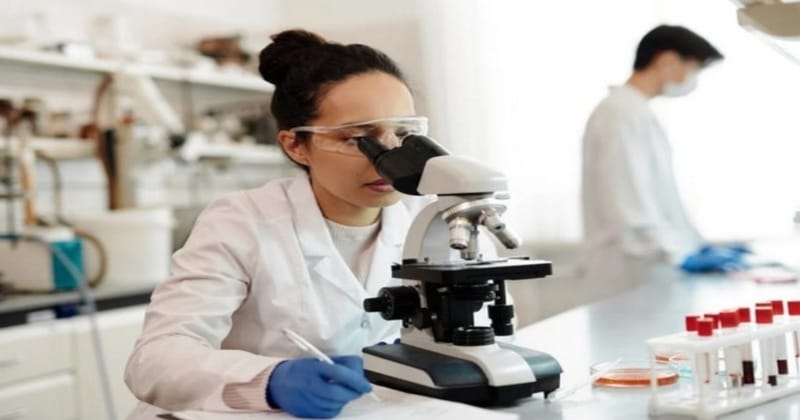
The study charted the development of memory killer cells in human skin, performed as a collaborative effort between KI researchers Beatrice Zitti and Elena Hoffer. The researchers isolated T cells from the skin and blood of healthy volunteers and used advanced techniques to examine gene activity and expression of different proteins. This allowed them to identify T cells in the blood with the potential to develop into memory killer cells in skin or other tissues. After knocking out specific genes, they could also demonstrate which genes are required for the maturation of memory killer cells in tissue.

More effective immunotherapy

The researchers then went on to study tumour samples from melanoma patients and found that those with a higher rate of survival also had a larger accumulation of epidermal memory killer cells.

“We’ve been able to identify several factors that control the formation of memory killer cells, which play an important part in maintaining a healthy skin,” says Liv Eidsmo, dermatologist and professor at the University of Copenhagen in Denmark and researcher at Karolinska Institutet in Sweden. “There’s a fine balance between effective protection against tumours and infections in the skin and contribution to inflammatory diseases like vitiligo and psoriasis.”

The researchers now aim to harness their findings to optimise the immunotherapy-induced T-cell response to make it even better at eliminating cancer cells in tissues.

The study was conducted in collaboration with the Karolinska University Hospital, Nordiska Kliniken and Vrinnevi Hospital. It was financed by grants from Novartis, the EU (Marie Sklodowska-Curie Actions), KI Foundations and Funds, the Swedish Research Council, the Ragnar Soderberg Foundation, the Swedish Medical Society, Region Stockholm (ALF scheme), the Swedish Psoriasis Foundation, the Swedish Dermatology Foundation, the Swedish Cancer Society, the Goran Gustafsson Foundation, Stockholm City Council, the Karolinska Institute Centre for Innovative Medicine (CIMED) and the Knut and Alice Wallenberg Foundation. There are no reported conflicts of interest.

(with inputs from ANI)



Topics: Karolinska InstituteMemory killer cellsMelanoma patientsUniversity of Copenhagen
Share3TweetSendShareSend
✮ Subscribe Organiser YouTube Channel. ✮
✮ Join Organiser's WhatsApp channel for Nationalist views beyond the news. ✮
Previous News

MOVEit transfer tool leveraged by hackers to steal user data: US security researchers

Next News

CM Himanta Biswa Sarma ceremonially launches National Education Policy 2020 in Assam

Related News

Victor Ambros and Gary Ruvkun

US scientists Victor Ambros & Gary Ruvkun awarded 2024 Nobel Prize in Medicine for groundbreaking MicroRNA discovery

Load More

Latest News

Mizoram CM Lalduhoma says Myanmar refugee influx has become a burden

Myanmar refugee influx has become a burden on Mizoram: CM Lalduhoma calls it a “Burden”

Prime Minister Narendra Modi

PM Modi to launch Rs 21,770 cr mega projects in Surat & Daman; Infrastructure, healthcare among key projects

Ebola medical countermeasures that were sent by Bharat arrived at Africa’s Ebola Continental Supply Chain mechanism in Entebbe, Uganda bringing the total to just under 50MT

Ebola Crisis in Uganda: India delivers life-saving medical supplies to African nation

Cabinet approves Rs 9,585 crore scheme to replace old trucks and buses in Delhi-NCR

Delhi-NCR gets major pollution relief push as centre clears Rs 9,585 cr vehicle replacement scheme for trucks and buses

A representative image generated using AI

BHAVYA Scheme to transform India’s Manufacturing Landscape: DPIIT secretary calls for investment-ready industrial parks

Keralam: Madrasa Ustad Shemeer Asari sends Obscene video to Girls in WhatsApp Group, asks if they can do the same

Keralam: Madrasa Ustad Shemeer Asari sends Obscene video to Girls in WhatsApp Group, asks if they can do the same

Board outside the office of Karnataka Lokayukta

Karnataka government accused of shielding tainted officials as Lokayukta probes remain stalled

Ritabrata Banerjee Claims LoP Post as Revolt Rocks Mamata Banerjee's Party

TMC vs TMC in Bengal: Expelled leader Ritabrata Banerjee stakes claim to LoP post, deepening crisis in Mamata’s party

DRDO, IAF successfully flight-test indigenous RudraM-II air-to-surface missile

DRDO, IAF conduct successful RudraM-II Missile trials under extreme conditions, boosting India’s defence self-reliance

India receive the fourth squadron of the Russian-made S-400 air defence system

India receives fourth S-400 missile squadron from Russia, bolstering air defence

Load More
  • Privacy
  • Terms
  • Cookie Policy
  • Refund and Cancellation
  • Delivery and Shipping

© Bharat Prakashan (Delhi) Limited.
Tech-enabled by Ananthapuri Technologies

  • Home
  • Search Organiser
  • Bharat
    • Assam
    • Bihar
    • Chhattisgarh
    • Jharkhand
    • Maharashtra
    • View All States
  • World
    • Asia
    • Africa
    • North America
    • South America
    • Europe
    • Australia
  • Editorial
  • Operation Sindoor
  • Opinion
  • Analysis
  • Defence
  • Culture
  • Sports
  • Business
  • RSS @ 100
  • Entertainment
  • More ..
    • Sci & Tech
    • Vocal4Local
    • Special Report
    • Education
    • Employment
    • Books
    • Interviews
    • Travel
    • Health
    • Politics
    • Law
    • Economy
    • Obituary
  • Subscribe Magazine
  • Read Ecopy
  • Advertise
  • Circulation
  • Careers
  • About Us
  • Contact Us
  • Policies & Terms
    • Privacy Policy
    • Cookie Policy
    • Refund and Cancellation
    • Terms of Use

© Bharat Prakashan (Delhi) Limited.
Tech-enabled by Ananthapuri Technologies