
Changing Gears in Medical Education
June 28, 2026
  • Read Ecopy
  • Circulation
  • Advertise
  • Careers
  • About Us
  • Contact Us
Android AppiPhone AppArattai
Organiser
  • ‌
  • Bharat
    • Assam
    • Bihar
    • Chhattisgarh
    • Jharkhand
    • Maharashtra
    • View All States
  • World
    • Asia
    • Europe
    • North America
    • South America
    • Africa
    • Australia
  • Editorial
  • International
  • Opinion
  • RSS @ 100
  • More
    • Op Sindoor
    • Analysis
    • Sports
    • Defence
    • Politics
    • Business
    • Economy
    • Culture
    • Special Report
    • Sci & Tech
    • Entertainment
    • G20
    • Azadi Ka Amrit Mahotsav
    • Vocal4Local
    • Web Stories
    • Education
    • Employment
    • Books
    • Interviews
    • Travel
    • Law
    • Health
    • Obituary
  • Subscribe
    • Subscribe Print Edition
    • Subscribe Ecopy
    • Read Ecopy
  • ‌
  • Bharat
    • Assam
    • Bihar
    • Chhattisgarh
    • Jharkhand
    • Maharashtra
    • View All States
  • World
    • Asia
    • Europe
    • North America
    • South America
    • Africa
    • Australia
  • Editorial
  • International
  • Opinion
  • RSS @ 100
  • More
    • Op Sindoor
    • Analysis
    • Sports
    • Defence
    • Politics
    • Business
    • Economy
    • Culture
    • Special Report
    • Sci & Tech
    • Entertainment
    • G20
    • Azadi Ka Amrit Mahotsav
    • Vocal4Local
    • Web Stories
    • Education
    • Employment
    • Books
    • Interviews
    • Travel
    • Law
    • Health
    • Obituary
  • Subscribe
    • Subscribe Print Edition
    • Subscribe Ecopy
    • Read Ecopy
Organiser
  • Home
  • Bharat
  • World
  • Operation Sindoor
  • Editorial
  • Analysis
  • Opinion
  • Culture
  • Defence
  • International Edition
  • RSS @ 100
  • Magazine
  • Read Ecopy
Home Opinion

Changing Gears in Medical Education

Dr Pankaj Jagannath JayswalDr Pankaj Jagannath Jayswal
Sep 7, 2021, 07:35 pm IST
in Opinion, Sci & Tech
Follow on Google News
FacebookTwitterWhatsAppTelegramEmail

The health of a nation depends on its most important asset called “Human Being”. If a nation wants to excel socially, economically, then it should take care of well being of every human being that will bring glory to the nation. Best medical facilities and education paves the way for the prosperity of a nation. We as Indians have to work a lot on medical education and facilities even after 70 years of freedom.

Let us first know about the medical colleges our nation has built and how it is influencing each class of society. In 1950, we had 28 medical colleges and by 2014, the colleges increased to 384, means in 64 years, 355 colleges are built. From 2014 till March 2020, 148 colleges were built and 75 new colleges are approved to be built in the next couple of years.

In a reply to a query in Loksabha in March 2020, health and family welfare minister, Ashwini Kumar Choubey said, NEET (National Eligibility Cum Entrance Test) is the only entrance examination for admission to as many as 82,926 MBBS, 26,949 BDS, 52720 AYUSH and 525 BVSc and AH in 542 and 313 medical and dental colleges respectively. 82,926 medical seats are offered in 541 MBBS colleges, which include 278 government and 263 private institutes. Surprisingly, first time in the history of independent India, a number of government colleges have surpassed a number of private colleges.

The current government is seriously working to bring exponential changes in the field of medical education that should have also been taken care of in the first 65 years of independence. This least absorbed sector by earlier governments has resulted in demotivation, caused stress among our students at the same time huge financial burden on parents. seeing the competition, donation and total expenses of medical education owing to few seats, It is difficult for the bright students from a middle class, Neo middle class and poor families to think and venture to study to get admission to Medical college. If colleges and systems were developed at the same pace as developed after 2014, we would have seen a healthier India.

This has severely affected the medical facilities and number of doctors and hospitals in India, the situation of medical facilities in a rural areas is pathetic though the current government has initiated many reforms and infrastructure development, however, it will take time to see the effect on the ground.

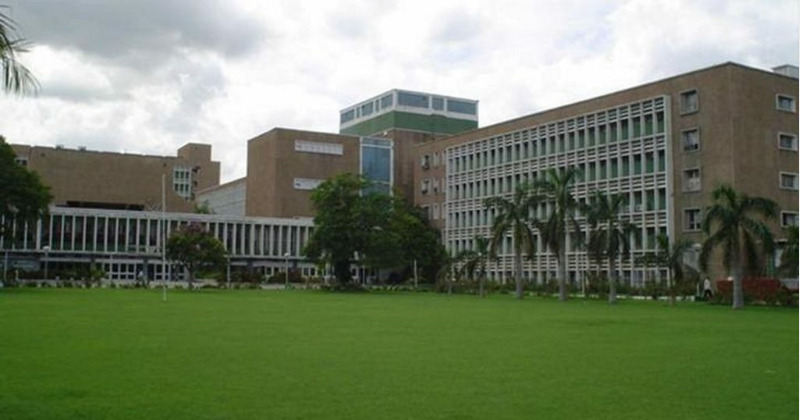
The number of AIIMS (All India Institute of Medical Science) has been increased from 7 till 2014 to 15 by 2019 and few more are under construction.

The Indian government is consequently pushing for extensive reforms in medical education. In August 2019, it succeeded in getting through parliament a major reform package, the National Medical Commission Bill, 2019— a milestone achievement to “curb avenues of corruption and boost transparency, accountability and quality in the governance of medical education.” This reform will “increase the number of medical seats and reduce the cost of medical education. This means more talented youth can take up medicine as a profession and this will help us increase the number of medical professionals.”

Indeed, the National Medical Commission (NMC) bill introduces substantial changes and is expected to have a major impact on our medical system. It has replaced the corruption-plagued Medical Council of India (MCI), the country’s regulatory body for medical education for the past eight decades, with a more centralized national commission. It will also revamp medical licensing procedures and enshrine several recent reform initiatives, such as the standardization of admission requirements at medical schools nationwide.

One of the most pressing problems is India’s severe shortage of medical doctors. According to the World Health Organization, the country has only 7.8 registered medical doctors per 10,000 people, compared with 18 doctors per 10,000 people in China, 21 in Colombia, and 32 in France. What’s more, not all registered doctors in India are actively practicing, and many are poorly trained. Consider that the majority of allopathic (science-based) practitioners in the country—57 percent—lack a formal medical qualification.

While the country’s medical education system now produces more than 64,000 graduates in allopathic medicine a year, that number is insufficient to keep up with demand. Shortages are further exacerbated by the outmigration of many of India’s most qualified doctors, a pattern that makes India the largest supplier of migrant physicians in the world. More than 10 per cent of international medical graduates certified by the U.S. Educational Commission for Foreign Medical Graduates, for instance, are Indian nationals. In the United Kingdom, likewise, Indian doctors are the largest group by far to have earned their medical qualifications overseas.

Fixing India’s broken health care system is a priority of the Indian government. In 2018, PM Narendra Modi launched, with much fanfare, a new public health insurance program (Ayushman Bharat), colloquially known as “Modicare.” The program is supposed to automatically cover hospitalization costs of up to 500,000 INR per year, per family for the poorest 40 percent of Indian society—some 500 million people—and establish 150,000 health and wellness centers throughout India.

New Education Policy will also aid in a research-oriented approach in the medical field. Though late, however, we are moving in the right direction to better ourselves in the medical field.



ShareTweetSendShareSend
✮ Subscribe Organiser YouTube Channel. ✮
✮ Join Organiser's WhatsApp channel for Nationalist views beyond the news. ✮
Previous News

Hamid Karzai condoles demise of Afghan journalist Fahim Dashty

Next News

Karnataka civic polls: Nadda thanks people after BJP’s win in Belagavi

Related News

Suicide bomber detonates bomb at Rangers HQ in Karachi; At least 9 people reportedly killed

Karachi Blasts: Jamaat Ul Ahrar – splinter group of TTP claims responsibility; 9 killed including 6 Sindh Rangers

A representative image generated using AI

Exclusive | ‘He is only a Muslim’: Inside Madras HC judgment striking down Backward Class Muslim status for converts

St Peter & Paul Sea Foods Exports

Tiruvallur Ammonia Gas Leak: Death toll rises to 15; BJP questions delay in action, seeks Rs 25 lakh compensation

The Dark Days of Emergency: How despotic rule censored iconic ‘Sholay’ climax to serve political power

ISRO successfully tests next-gen semi-cryogenic rocket engine; Key milestone as India moves closer to Gaganyan mission

Europe Boils: Heatwave kills 100+ sparking public health emergency; Exposes the dark side of western model of growth

Load More

Latest News

Suicide bomber detonates bomb at Rangers HQ in Karachi; At least 9 people reportedly killed

Karachi Blasts: Jamaat Ul Ahrar – splinter group of TTP claims responsibility; 9 killed including 6 Sindh Rangers

A representative image generated using AI

Exclusive | ‘He is only a Muslim’: Inside Madras HC judgment striking down Backward Class Muslim status for converts

St Peter & Paul Sea Foods Exports

Tiruvallur Ammonia Gas Leak: Death toll rises to 15; BJP questions delay in action, seeks Rs 25 lakh compensation

The Dark Days of Emergency: How despotic rule censored iconic ‘Sholay’ climax to serve political power

ISRO successfully tests next-gen semi-cryogenic rocket engine; Key milestone as India moves closer to Gaganyan mission

Europe Boils: Heatwave kills 100+ sparking public health emergency; Exposes the dark side of western model of growth

ANCHOR was released during the 3rd BRICS Neuroscience Symposium 2026

IIT Madras unveil ‘ANCHOR,’ the world’s most detailed 3D atlas of human brainstem

MC Sreedhara Varma Raja, hereditary trustee of Shree Tirumandhamkunnu Bhagavati Temple in Perinthalmanna, Malappuram

Keralam: Hereditary trustee takes over Tirumandhamkunnu temple after Devaswom board defies HC verdict

Karnataka sprinter Unnathi Aiyappa

Karnataka sprinter Unnathi Aiyappa eyes Asian Games medal after qualifying in 200m

Florida has witnessed a series of incidents involving extremist violence and debates over religiously exclusive economic networks

Islamists threaten Florida’s security and freedom with parallel economy and radical extremism

Load More
  • Privacy
  • Terms
  • Cookie Policy
  • Refund and Cancellation
  • Delivery and Shipping

© Bharat Prakashan (Delhi) Limited.
Tech-enabled by Ananthapuri Technologies

  • Home
  • Search Organiser
  • Bharat
    • Assam
    • Bihar
    • Chhattisgarh
    • Jharkhand
    • Maharashtra
    • View All States
  • World
    • Asia
    • Africa
    • North America
    • South America
    • Europe
    • Australia
  • Editorial
  • Operation Sindoor
  • Opinion
  • Analysis
  • Defence
  • Culture
  • Sports
  • Business
  • RSS @ 100
  • Entertainment
  • More ..
    • Sci & Tech
    • Vocal4Local
    • Special Report
    • Education
    • Employment
    • Books
    • Interviews
    • Travel
    • Health
    • Politics
    • Law
    • Economy
    • Obituary
  • Subscribe Magazine
  • Read Ecopy
  • Advertise
  • Circulation
  • Careers
  • About Us
  • Contact Us
  • Policies & Terms
    • Privacy Policy
    • Cookie Policy
    • Refund and Cancellation
    • Terms of Use

© Bharat Prakashan (Delhi) Limited.
Tech-enabled by Ananthapuri Technologies