Column: Himalayan Misadventure: XIV?
December 7, 2025
  • Read Ecopy
  • Circulation
  • Advertise
  • Careers
  • About Us
  • Contact Us
Android AppiPhone AppArattai
Organiser
  • ‌
  • Bharat
    • Assam
    • Bihar
    • Chhattisgarh
    • Jharkhand
    • Maharashtra
    • View All States
  • World
    • Asia
    • Europe
    • North America
    • South America
    • Africa
    • Australia
  • Editorial
  • International
  • Opinion
  • RSS @ 100
  • More
    • Op Sindoor
    • Analysis
    • Sports
    • Defence
    • Politics
    • Business
    • Economy
    • Culture
    • Special Report
    • Sci & Tech
    • Entertainment
    • G20
    • Azadi Ka Amrit Mahotsav
    • Vocal4Local
    • Web Stories
    • Education
    • Employment
    • Books
    • Interviews
    • Travel
    • Law
    • Health
    • Obituary
  • Subscribe
    • Subscribe Print Edition
    • Subscribe Ecopy
    • Read Ecopy
  • ‌
  • Bharat
    • Assam
    • Bihar
    • Chhattisgarh
    • Jharkhand
    • Maharashtra
    • View All States
  • World
    • Asia
    • Europe
    • North America
    • South America
    • Africa
    • Australia
  • Editorial
  • International
  • Opinion
  • RSS @ 100
  • More
    • Op Sindoor
    • Analysis
    • Sports
    • Defence
    • Politics
    • Business
    • Economy
    • Culture
    • Special Report
    • Sci & Tech
    • Entertainment
    • G20
    • Azadi Ka Amrit Mahotsav
    • Vocal4Local
    • Web Stories
    • Education
    • Employment
    • Books
    • Interviews
    • Travel
    • Law
    • Health
    • Obituary
  • Subscribe
    • Subscribe Print Edition
    • Subscribe Ecopy
    • Read Ecopy
Organiser
  • Home
  • Bharat
  • World
  • Operation Sindoor
  • Editorial
  • Analysis
  • Opinion
  • Culture
  • Defence
  • International Edition
  • RSS @ 100
  • Magazine
  • Read Ecopy
Home Bharat

Column: Himalayan Misadventure: XIV?

There is much that is not commonly known about the shocking aspects of the 1962 India-China War, so shocking indeed that S Gopal,

Archive ManagerArchive Manager
Jul 14, 2014, 11:59 am IST
in Bharat
Follow on Google News
FacebookTwitterWhatsAppTelegramEmail


Himalayan Misadventure: XIV?

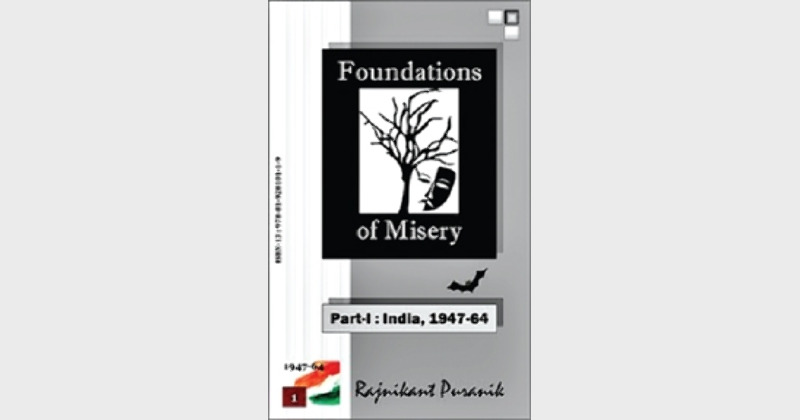
$img_titleThere is much that is not commonly known about the shocking aspects of the 1962 India-China War, so shocking indeed that S Gopal, Nehru”s official biographer, was constrained to comment: “Things went so wrong that had they not happened it would have been difficult to believe them.” The Henderson-Brooks report covered only the limited aspects their authors were tasked with. The book “Foundations of Misery” by Rajnikant Puranik in its chapter “Himalayan Misadventure” details all the aspects of that avoidable war. We are serialising that chapter.
21 November 1962. China declared unilateral ceasefire. All nations, including of course India, were stunned by this sudden and unexpected turn. The terms were the same as what China had offered earlier on 24 October 1962 after the first round of fighting for 4 days since 20 October 1962. However, the main difference was that this was unilateral—China announced it would carry out its part of the obligation whether or not India agreed, that is, it would withdraw its forces 20 kms away from the line of actual control as on 7 November 1959. However, it reserved the right to strike back should India attack or try to cross the line of actual control to reoccupy the positions that were never in its territory.
Sticking to its old stand, India did not agree, nor did it make an effort to finally resolve the border-dispute once and for all through talks and negotiations, for which China was ready. Though India ceased fire knowing it could not fight on.
Incidentally, even such an important announcement of China became known to the government belatedly. Writes Kuldip Nayar in Beyond the Lines: “A cavalcade of cars moved to the prime minister’s residence. Nehru had just woken up and was totally unaware of the Chinese offer. This was typical of our intelligence agencies and of the functioning of the government. Though the statement on the ceasefire had reached newspaper offices just before midnight, the government was unaware of it. Even the official spokesman whom the pressman awoke for a reaction expressed ignorance. What a way to fight a war, I thought.”
BG Verghese writes in The War We Lost in Tehelka Magazine of 13 Oct 2012: “Around midnight, a transistor with one of our colleagues crackled to life as Peking Radio announced a unilateral ceasefire and pull back to the pre-October ‘line of actual control’. Next morning, all the world carried the news, but AIR still had brave jawans gamely fighting the enemy as none had had the gumption to awaken Nehru and take his orders as the news was too big to handle otherwise! Indeed, during the preceding days, everyone from general to jawan to officials and the media was tuned into Radio Peking to find out what was going on in our own country.”
The India-China war of 1962 was indeed independent India’s most traumatic and worst-ever external security failure. Wrote S Gopal, Nehru”s official biographer: “Things went so wrong that had they not happened it would have been difficult to believe them.”
Stand of Other Countries
China executed the whole process—exchange of letters, offer for discussions and negotiations through the years before the war; publicity on how reasonable its stand was; adequate signals and warnings and offers of talks before attacks; offer of ceasefire and negotiation after the first round of fighting between 20-23 October 1962; actual conduct of war; unilateral ceasefire, withdrawal and offer of settlement through talks on 21 November 1962; keeping other nations informed of the position; voluntary giving up of all the territory gained by them in the war—with such finesse, maturity, competence, responsibility, transparency and timing that the whole world, including China’s enemies, were highly impressed.
In sharp contrast, India cut a sorry figure on all counts, including diplomacy, apparent lack of willingness and reasonableness in finding a negotiated solution, and, of course, woeful performance in war.
Hardly any nation came out in support of India. Nehru considered himself the leader of non-aligned movement and of newly independent Asian and African countries whose cause he had been espousing. But, none gave unqualified support and most remained neutral.
There was a quid pro quo between China and USSR: China was to be supportive of USSR’s attempt to deploy nuclear missiles in Cuba—the Cuba crisis almost coincided with the India-China war—and USSR was to be supportive of China’s attack on India. In fact, Mao cunningly and carefully chose the timing of the attack to coincide with the Cuban missile crisis, so that the world attention and the involvement of the two superpowers remain focussed on Cuba, and no country interferes with the Chinese action.

-Rajnikant Puranik? (www.rkpbooks.com, www.facebook.com/fom.p1, rajnikantp.blogspot.in, twitter.com/Rajnikant_rkp, rkpuranik@gmail.com).

?

ShareTweetSendShareSend
✮ Subscribe Organiser YouTube Channel. ✮
✮ Join Organiser's WhatsApp channel for Nationalist views beyond the news. ✮
Previous News

State: Back to Home, All Feathers Intact?

Next News

Report: GOPIO Marks Silver Jubilee?

Related News

Defence Minister Rajnath Singh speaks post inaugurating the infrastructure projects of BRO in Leh

Defence Minister Rajnath Singh hails the role of BRO in revolutionising communication & connectivity in border regions

Dismantling the threat of white-collar terrorism

The white terror module and the need for de-radicalisation of campuses

Lok Sabha to hold special discussion on 150 years of Vande Mataram

150 years of Vande Mataram: Winter session of Lok Sabha to hold special discussion on Dec. 8; PM Modi to address

India is marching towards Atmanirbharta in defence

Atmanirbharta in Defence: India’s defence manufacturing takes off

Defence Minister Rajnath Singh extends greetings on the occasion of Armed Forces Flag Day

Defence Minister Rajnath Singh extends greetings on Armed Forces Flag Day; Urges people to donate to AFFD Fund

Representative Image

SIR for protecting the health of democracy

Load More

Comments

The comments posted here/below/in the given space are not on behalf of Organiser. The person posting the comment will be in sole ownership of its responsibility. According to the central government's IT rules, obscene or offensive statement made against a person, religion, community or nation is a punishable offense, and legal action would be taken against people who indulge in such activities.

Latest News

Defence Minister Rajnath Singh speaks post inaugurating the infrastructure projects of BRO in Leh

Defence Minister Rajnath Singh hails the role of BRO in revolutionising communication & connectivity in border regions

Dismantling the threat of white-collar terrorism

The white terror module and the need for de-radicalisation of campuses

Lok Sabha to hold special discussion on 150 years of Vande Mataram

150 years of Vande Mataram: Winter session of Lok Sabha to hold special discussion on Dec. 8; PM Modi to address

India is marching towards Atmanirbharta in defence

Atmanirbharta in Defence: India’s defence manufacturing takes off

Defence Minister Rajnath Singh extends greetings on the occasion of Armed Forces Flag Day

Defence Minister Rajnath Singh extends greetings on Armed Forces Flag Day; Urges people to donate to AFFD Fund

Representative Image

SIR for protecting the health of democracy

Dr. S. Jaishankar,
Minister of External Affairs of India

EAM Jaishankar expresses optimism as India US trade deal moves closer to agreement

Swadeshi strategy emerges key to closing Bharat’s Rs 8.36 lakh crore trade gap

Defence Minister Rajnath Singh

Defence Minister Rajnath Singh to inaugurate125 strategic BRO projects during visit to Leh

AI and technology driven Indian Army

Digitalisation 3.0 and the rise of an AI-ready Indian Army: A civilisational shift in national security

Load More
  • Privacy
  • Terms
  • Cookie Policy
  • Refund and Cancellation
  • Delivery and Shipping

© Bharat Prakashan (Delhi) Limited.
Tech-enabled by Ananthapuri Technologies

  • Home
  • Search Organiser
  • Bharat
    • Assam
    • Bihar
    • Chhattisgarh
    • Jharkhand
    • Maharashtra
    • View All States
  • World
    • Asia
    • Africa
    • North America
    • South America
    • Europe
    • Australia
  • Editorial
  • Operation Sindoor
  • Opinion
  • Analysis
  • Defence
  • Culture
  • Sports
  • Business
  • RSS @ 100
  • Entertainment
  • More ..
    • Sci & Tech
    • Vocal4Local
    • Special Report
    • Education
    • Employment
    • Books
    • Interviews
    • Travel
    • Health
    • Politics
    • Law
    • Economy
    • Obituary
  • Subscribe Magazine
  • Read Ecopy
  • Advertise
  • Circulation
  • Careers
  • About Us
  • Contact Us
  • Policies & Terms
    • Privacy Policy
    • Cookie Policy
    • Refund and Cancellation
    • Terms of Use

© Bharat Prakashan (Delhi) Limited.
Tech-enabled by Ananthapuri Technologies