The Mother of Indian Cinema
July 23, 2026
  • Read Ecopy
  • Circulation
  • Advertise
  • Careers
  • About Us
  • Contact Us
Android AppiPhone AppArattai
Organiser
  • ‌
  • Bharat
    • Assam
    • Bihar
    • Chhattisgarh
    • Jharkhand
    • Maharashtra
    • View All States
  • World
    • Asia
    • Europe
    • North America
    • South America
    • Africa
    • Australia
  • Editorial
  • International
  • Opinion
  • RSS @ 100
  • More
    • Op Sindoor
    • Analysis
    • Sports
    • Defence
    • Politics
    • Business
    • Economy
    • Culture
    • Special Report
    • Sci & Tech
    • Entertainment
    • G20
    • Azadi Ka Amrit Mahotsav
    • Vocal4Local
    • Web Stories
    • Education
    • Employment
    • Books
    • Interviews
    • Travel
    • Law
    • Health
    • Obituary
  • Subscribe
    • Subscribe Print Edition
    • Subscribe Ecopy
    • Read Ecopy
  • ‌
  • Bharat
    • Assam
    • Bihar
    • Chhattisgarh
    • Jharkhand
    • Maharashtra
    • View All States
  • World
    • Asia
    • Europe
    • North America
    • South America
    • Africa
    • Australia
  • Editorial
  • International
  • Opinion
  • RSS @ 100
  • More
    • Op Sindoor
    • Analysis
    • Sports
    • Defence
    • Politics
    • Business
    • Economy
    • Culture
    • Special Report
    • Sci & Tech
    • Entertainment
    • G20
    • Azadi Ka Amrit Mahotsav
    • Vocal4Local
    • Web Stories
    • Education
    • Employment
    • Books
    • Interviews
    • Travel
    • Law
    • Health
    • Obituary
  • Subscribe
    • Subscribe Print Edition
    • Subscribe Ecopy
    • Read Ecopy
Organiser
  • Home
  • Bharat
  • World
  • Operation Sindoor
  • Editorial
  • Analysis
  • Opinion
  • Culture
  • Defence
  • International Edition
  • RSS @ 100
  • Magazine
  • Read Ecopy
Home Bharat

The Mother of Indian Cinema

Marathi Cinema is the oldest and a pioneer film industry in India. The first Marathi still picture movie released in India was Shree Pundalik by Dadasaheb Torne on 18 May 1912

Archive ManagerArchive Manager
Oct 29, 2013, 05:06 pm IST
in Bharat
Follow on Google News
FacebookTwitterWhatsAppTelegramEmail

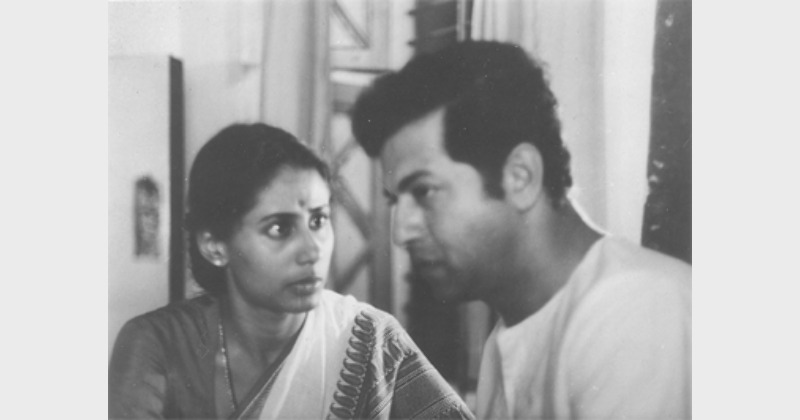
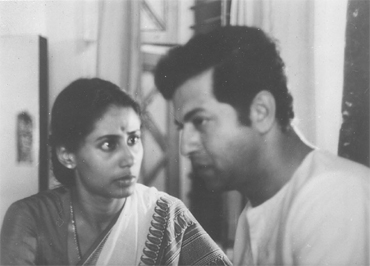
Marathi Cinema: A journey from Raja Harishchandra to Harishchandrachi Factory

undefinedMarathi Cinema
 is the oldest and a pioneer film industry in India. The first Marathi still picture movie released in India was Shree Pundalik by Dadasaheb Torne on 18 May 1912 at Coronation Cinematograph, Mumbai. It was performed by a Marathi crew performing Marathi and Sanskrit musicals plays in Marathi at that period. The first Marathi talkie film, Ayodhyecha Raja, was released in 1932, just one year after Alam Ara the first Hindi talkie.

Raja Harishchandra directed by Dadasaheb Phalke is also considered as a Marathi film because of its cast and crew. His Hindustan Films founded in Nashik produced 95 movies and 26 short films in his career spanning 19 years, including his most noted works: Mohini Bhasmasur (1913), Satyavan Savitri (1914), Lanka Dahan (1917), Shri Krishna Janma (1918) and Kaliya Mardan (1919).

In 1919 Baburao Mistry — popularly known as Baburao Painter — formed the Maharashtra Film Company with the blessings of the Maharaja of Kolhapur. Because of his special interest in sets, costumes, design and painting, he chose episodes from Maratha history for interpreting in the new medium and specialised in the historical genre.

The Rise of Prabhat Films

As cinema grew in Union of India, one of the major production houses that made long lasting impact on cinema was the Prabhat Film Company. Prabhat’s Sant Tukaram was the first Indian work to win the Best Film Award at the Venice film festival in 1937. In 1954 at the very first edition of the National Awards, Shyamchi Aai another Marathi film, won the first President’s Gold Medal for cinema. V Shantaram who started his directorial career in Prabhat films where he produced classics like Kunku, Shejari, Manus etc. Later he founded his own banner, Rajkamal Pictures, and produced a series of innovative films such as Jhanak Jhanak Payal Baje, Do Ankhen Barah Haath, etc. which are known as evergreen movies till date. 

The Golden Era

The tradition of Prabhat was followed by Raja Paranjpe, Dinkar D Patil, GD Madgulkar and Sudhir Phadke, which is also known as golden era of Marathi films. The 1960s saw the emergence of directors like Anant Mane who made Marathi films based on the folk art form Tamasha. Then came directors like Datta Dharmadhikari and Raj Dutt who made traditional family dramas. The early 70s saw the advent of Dada Kondke who captured the audiences with his sense of humour. All these efforts were greatly supported by musicians like Shrinivas Khale and Ram Marathe who gave best of the songs in voice from Lata Mangeshkar – Asha Bhosle to Shankar Mahadevan.  

The 1980s saw two comedy heroes catapult to stardom, Ashok Saraf and Laxmikant Berde and it was given new direction by two young actors turned directors, Mahesh Kothare and Sachin Pilgaonkar, made entertaining family movies. 

For a couple of decades, Marathi Cinema declined, primarily due to geographical proximity to Bollywood, which many believe encroached on the identity of Marathi Cinema. Other reasons include the shortage of cinema halls for distribution due to poor marketing, lack of money magnets, a vibrant theatre scene and the emergence of private television.

The Decline and Revival

However, in the past few years, Marathi Cinema has been revived and received great appreciation for bringing in fresh ideas and deeper human sensitivity onto celluloid. Shwaas (2004) bagged the National Award for the best film and was also India’s official entry to the 77th Academy Awards.

In 2009, Marathi film Harishchandrachi Factory (With budget Rs 6 Crore), depicting the struggle of Dadasaheb Phalke in making Raja Harishchandra in 1913, India’s first feature film, directed by theatre-veteran Paresh Mokashi was selected as India’s official entry to Academy Award in the Best Foreign Language Film Category, making it the second Marathi film, after Shwaas, to receive this honour.

In the year 2009 released the blockbuster musical movie Natarang, which got both commercial and critical applause and has served as a path-breaking movie for Marathi Cinema in many ways.

In the last few years released Vihir (Umesh Kulkarni), Zenda (Avdhoot Gupte), Jhing Chik Jhing (Nitin Nandan), Pratisaad – The Response (Yogesh Dattatraya Gosavi), Mumbai – Pune – Mumbai (Satish Rajwade), Paaradh (Gajendra Ahire) had given different direction to Marathi films.            —Prasad Joshi


Establish socially bad as bad and good as good

—Rajdutt, Renowned Director of Marathi Cinema

“It is a matter of pride that the first movie and movie maker was Marathi. The Marathi film industry presented a model of depicting social issues and pain in the society through cinema. Earlier producers-directors were well aware of the art of making movies for the society. They tried to present different social problems through a story line. As Sant Eknath in bhakti movement used the Bharud, a folk song tradition, to spread spiritualism, similarly, Marathi film makers used entertainment to influence the thought process.

Today the picture is changed. It is more business and less commitment. The essence of Sanskars associated with Bharatiya is nowadays missing in films.

The cinema should establish socially bad as bad and good as good. The culture of V Shantaram and Baburao Painter is vanishing. 

We are heading towards ‘self centered materialism’. The things are shrinking into ‘me’ and ‘mine’. This reality should be critically projected through movies and the resourceful persons should stand by people who want to take this initiative. Then only Indian Cinema will remain Indian and serve its purpose.”

ShareTweetSendShareSend
✮ Subscribe Organiser YouTube Channel. ✮
✮ Join Organiser's WhatsApp channel for Nationalist views beyond the news. ✮
Previous News

Cinema and Babu Moshais

Next News

Tamil Cinema: Larger than LIFE

Related News

Delhi Protest has turned violent with CJP supporters hitting policemen and vandalising the property

Mob Rule on Delhi’s Streets: Police face coordinated attack; Vandalism and tear gas mark fresh clashes

New Delhi, Jul 22 (ANI): Protesters in large numbers continue their protest at Jantar Mantar in support of the Cockroach Janata Party (CJP), demanding the resignation of Union Education Minister Dharmendra Pradhan over alleged examination irregularities and NEET paper leak, in New Delhi on Wednesday. (ANI Photo/Rahul Singh)

Delhi protest turns violent again; Five Police Personnel injured as CJP supporters clash with security forces

(Left) Protesters at Jantar Mantar (Right) Mana sitting in a police van

CJP Protest in Delhi: Who is Mana? Know all about her as she incites mob to lynch police, uses extremely foul language

Telangana BJP president N. Ramchander Rao and party workers detained by Hyderabad Police

Telangana: BJP leaders detained for protesting against demonstration by Rahul Gandhi near PM Modi’s residence

Khalistan terror group enters CJP protests: SFJ’s Pannun offers $1 million, threatens India’s disintegration

Ayurveda is rapidly emerging as one of India's strongest tools of global health diplomacy and soft power

From Jamnagar to the World: How Ayurveda is transforming India’s global health diplomacy and soft power

Load More

Latest News

Delhi Protest has turned violent with CJP supporters hitting policemen and vandalising the property

Mob Rule on Delhi’s Streets: Police face coordinated attack; Vandalism and tear gas mark fresh clashes

New Delhi, Jul 22 (ANI): Protesters in large numbers continue their protest at Jantar Mantar in support of the Cockroach Janata Party (CJP), demanding the resignation of Union Education Minister Dharmendra Pradhan over alleged examination irregularities and NEET paper leak, in New Delhi on Wednesday. (ANI Photo/Rahul Singh)

Delhi protest turns violent again; Five Police Personnel injured as CJP supporters clash with security forces

(Left) Protesters at Jantar Mantar (Right) Mana sitting in a police van

CJP Protest in Delhi: Who is Mana? Know all about her as she incites mob to lynch police, uses extremely foul language

Telangana BJP president N. Ramchander Rao and party workers detained by Hyderabad Police

Telangana: BJP leaders detained for protesting against demonstration by Rahul Gandhi near PM Modi’s residence

Khalistan terror group enters CJP protests: SFJ’s Pannun offers $1 million, threatens India’s disintegration

Ayurveda is rapidly emerging as one of India's strongest tools of global health diplomacy and soft power

From Jamnagar to the World: How Ayurveda is transforming India’s global health diplomacy and soft power

BJP Keralam vice president Adv. Shon George (Left)

Keralam: BJP’s Shon George says Supreme Court order vindicates party’s stand on Kerala Waqf Board

Writer Taslima Nasrin

Taslima Nasrin: A voice under attack from fundamentalism and leftist groups

Government of India Must Constitute a High-Level Committee to Ensure Transparency and Institutional Reforms in Competitive Examinations: ABVP

Students will not become instruments for narrow political interests and anti-national conspiracies: ABVP

Tamil Nadu: TVK Minister attends CJP protest over NEET; BJP questions the government’s stand

Load More
  • Privacy
  • Terms
  • Cookie Policy
  • Refund and Cancellation
  • Delivery and Shipping

© Bharat Prakashan (Delhi) Limited.
Tech-enabled by Ananthapuri Technologies

  • Home
  • Search Organiser
  • Bharat
    • Assam
    • Bihar
    • Chhattisgarh
    • Jharkhand
    • Maharashtra
    • View All States
  • World
    • Asia
    • Africa
    • North America
    • South America
    • Europe
    • Australia
  • Editorial
  • Operation Sindoor
  • Opinion
  • Analysis
  • Defence
  • Culture
  • Sports
  • Business
  • RSS @ 100
  • Entertainment
  • More ..
    • Sci & Tech
    • Vocal4Local
    • Special Report
    • Education
    • Employment
    • Books
    • Interviews
    • Travel
    • Health
    • Politics
    • Law
    • Economy
    • Obituary
  • Subscribe Magazine
  • Read Ecopy
  • Advertise
  • Circulation
  • Careers
  • About Us
  • Contact Us
  • Policies & Terms
    • Privacy Policy
    • Cookie Policy
    • Refund and Cancellation
    • Terms of Use

© Bharat Prakashan (Delhi) Limited.
Tech-enabled by Ananthapuri Technologies