Xuanzang: Coined Yindu for India
June 12, 2026
  • Read Ecopy
  • Circulation
  • Advertise
  • Careers
  • About Us
  • Contact Us
Android AppiPhone AppArattai
Organiser
  • ‌
  • Bharat
    • Assam
    • Bihar
    • Chhattisgarh
    • Jharkhand
    • Maharashtra
    • View All States
  • World
    • Asia
    • Europe
    • North America
    • South America
    • Africa
    • Australia
  • Editorial
  • International
  • Opinion
  • RSS @ 100
  • More
    • Op Sindoor
    • Analysis
    • Sports
    • Defence
    • Politics
    • Business
    • Economy
    • Culture
    • Special Report
    • Sci & Tech
    • Entertainment
    • G20
    • Azadi Ka Amrit Mahotsav
    • Vocal4Local
    • Web Stories
    • Education
    • Employment
    • Books
    • Interviews
    • Travel
    • Law
    • Health
    • Obituary
  • Subscribe
    • Subscribe Print Edition
    • Subscribe Ecopy
    • Read Ecopy
  • ‌
  • Bharat
    • Assam
    • Bihar
    • Chhattisgarh
    • Jharkhand
    • Maharashtra
    • View All States
  • World
    • Asia
    • Europe
    • North America
    • South America
    • Africa
    • Australia
  • Editorial
  • International
  • Opinion
  • RSS @ 100
  • More
    • Op Sindoor
    • Analysis
    • Sports
    • Defence
    • Politics
    • Business
    • Economy
    • Culture
    • Special Report
    • Sci & Tech
    • Entertainment
    • G20
    • Azadi Ka Amrit Mahotsav
    • Vocal4Local
    • Web Stories
    • Education
    • Employment
    • Books
    • Interviews
    • Travel
    • Law
    • Health
    • Obituary
  • Subscribe
    • Subscribe Print Edition
    • Subscribe Ecopy
    • Read Ecopy
Organiser
  • Home
  • Bharat
  • World
  • Operation Sindoor
  • Editorial
  • Analysis
  • Opinion
  • Culture
  • Defence
  • International Edition
  • RSS @ 100
  • Magazine
  • Read Ecopy
Home Bharat

Xuanzang: Coined Yindu for India

During the Tang dynasty of China (618-906 AD), another historical visit to India was undertaken by the legendary Chinese monk, Xuanzang (627 AD).

Archive ManagerArchive Manager
Sep 10, 2013, 05:41 pm IST
in Bharat
Follow on Google News
FacebookTwitterWhatsAppTelegramEmail

Understanding Our Neighbours

India and China: The ancient cross-cultural connections—II

Aravind Yelery, Shanghai
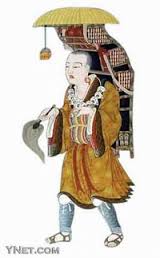
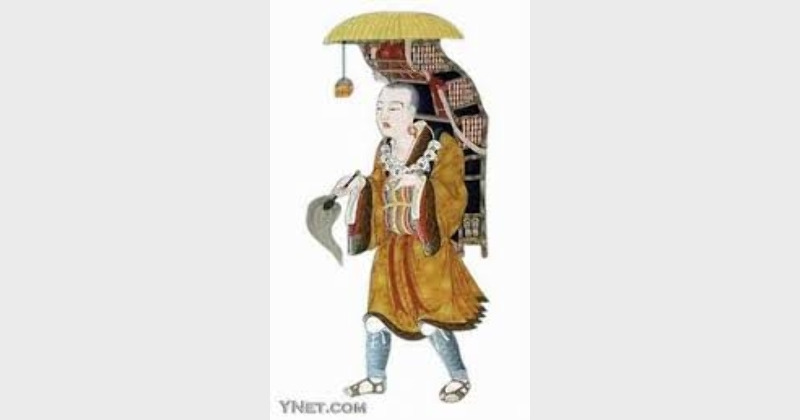
undefinedDuring the Tang dynasty of China (618-906 AD), another historical visit to India was undertaken by the legendary Chinese monk, Xuanzang (627 AD). Xuanzang is considered as a legend in China who travelled across India for 17 years collecting Buddhist literature and further translating them into Chinese. He was  compassionate about ‘holy land’, a word he often used to describe India in his narratives. He was the first Chinese to coin the present Chinese term for India, Yindu. The term was coined from the word Sindhu (or Indus, as it appears in the western texts). His visit to India was mainly non-political in nature and rather a pilgrimage in style. He visited all the major Buddhist sites, from Bamiyan to Nalanda and it is believed that he carried more than 600 Buddhist texts from India to China and translated them in Chinese. His love for Indian Buddhist literature was so much that as per Chinese source, in his last 20 years, Xuanzang translated more than 1,300 volumes of Buddhist sutras. The Records of the Western Regions Visited during the Great Tang Dynasty, a narrative by Xuanzang is often used by Indian scholars to understand the Chinese perception of India and to re-build their thoughts on Indian history and culture. The accounts of his travel in Chinese are unique because Xuanzang met King Harshwardhan during his trip to Kanuaj, which resulted in establishing the diplomatic ties between Tang emperor and the north Indian kingdom.

In the following centuries hundreds of Chinese undertook the pilgrimage to ascertain the way of belief and explore more on Ancient Indian monastic life. This was a case of Cultural reciprocity. One of the Buddhist monks in seventh century, Yijing, described that their visits to India would help spread the understanding of Buddhism and create a Chinese city of Rajgraha (capital of Magadh empire, an important place of worship for visiting monks) in China. As the Chinese kingdom started growing, Buddhism along with other schools of thoughts remained at the centre of Chinese society for centuries to come.

(The writer is a Corporate Consultant Sanghai ji Ou, Sanghai/Delhi)

ShareTweetSendShareSend
✮ Subscribe Organiser YouTube Channel. ✮
✮ Join Organiser's WhatsApp channel for Nationalist views beyond the news. ✮
Previous News

American Hindu Organisations join hands to help Pakistani Hindu refugees in India

Next News

India and the crisis of Syria

Related News

US: Anshul Kuncha’s death exposes anti-India racist racket; Assaulting the community that powers American economy!

Security forces undertake anti-Maoist campaign in Odisha in Kandhamal and Malkangiri and seize huge cache of arms

Odisha: Security forces recover caches of weapons of Maoists in Kandhamal and Malkangiri in last three days

Kashmiri Pandits at Kheer Bhawani Temple(File Photo)

J&K: Exiled Kashmiri Pandits throng temples amid enhanced security; Crowd peaks on Jyestha Ashtami at Kheer Bhawani

Global Peace Index Farce: Does the GPI penalise democracies fighting terrorism? India’s case explained

Five Ayush hospitals cum medical colleges to come up in Uttar Pradesh (This is an AI generated image)

Uttar Pradesh plans five integrated AYUSH Colleges and Hospitals to expand traditional healthcare and medical education

(Left) Site of the protest (Right) NIA team in JNIMS hospital

Manipur: NIA starts forensic probe of abduction and killings of 6 Naga civilians by Kuki militants

Load More

Latest News

US: Anshul Kuncha’s death exposes anti-India racist racket; Assaulting the community that powers American economy!

Security forces undertake anti-Maoist campaign in Odisha in Kandhamal and Malkangiri and seize huge cache of arms

Odisha: Security forces recover caches of weapons of Maoists in Kandhamal and Malkangiri in last three days

Kashmiri Pandits at Kheer Bhawani Temple(File Photo)

J&K: Exiled Kashmiri Pandits throng temples amid enhanced security; Crowd peaks on Jyestha Ashtami at Kheer Bhawani

Global Peace Index Farce: Does the GPI penalise democracies fighting terrorism? India’s case explained

Five Ayush hospitals cum medical colleges to come up in Uttar Pradesh (This is an AI generated image)

Uttar Pradesh plans five integrated AYUSH Colleges and Hospitals to expand traditional healthcare and medical education

(Left) Site of the protest (Right) NIA team in JNIMS hospital

Manipur: NIA starts forensic probe of abduction and killings of 6 Naga civilians by Kuki militants

Prime Minister Narendra Modi

The MODI Era: Legacy of 4399 days of Transformation

Late Laxmananda Saraswati (File Photo)

Missing Swami Laxmananda murder judicial inquiry report triggers FIR in Odisha; BJP targets Naveen Patnaik

4,399 days of Prime Minister Narendra Modi

The Meaning of 4,399 Days: Why Even the Opposition Must Now Play by the New Rules Set in the Modi Era

Keralam: Audit finds gold and silver ornaments missing from nearly 20 temples under Neyyattinkara Devaswom sub group

Load More
  • Privacy
  • Terms
  • Cookie Policy
  • Refund and Cancellation
  • Delivery and Shipping

© Bharat Prakashan (Delhi) Limited.
Tech-enabled by Ananthapuri Technologies

  • Home
  • Search Organiser
  • Bharat
    • Assam
    • Bihar
    • Chhattisgarh
    • Jharkhand
    • Maharashtra
    • View All States
  • World
    • Asia
    • Africa
    • North America
    • South America
    • Europe
    • Australia
  • Editorial
  • Operation Sindoor
  • Opinion
  • Analysis
  • Defence
  • Culture
  • Sports
  • Business
  • RSS @ 100
  • Entertainment
  • More ..
    • Sci & Tech
    • Vocal4Local
    • Special Report
    • Education
    • Employment
    • Books
    • Interviews
    • Travel
    • Health
    • Politics
    • Law
    • Economy
    • Obituary
  • Subscribe Magazine
  • Read Ecopy
  • Advertise
  • Circulation
  • Careers
  • About Us
  • Contact Us
  • Policies & Terms
    • Privacy Policy
    • Cookie Policy
    • Refund and Cancellation
    • Terms of Use

© Bharat Prakashan (Delhi) Limited.
Tech-enabled by Ananthapuri Technologies