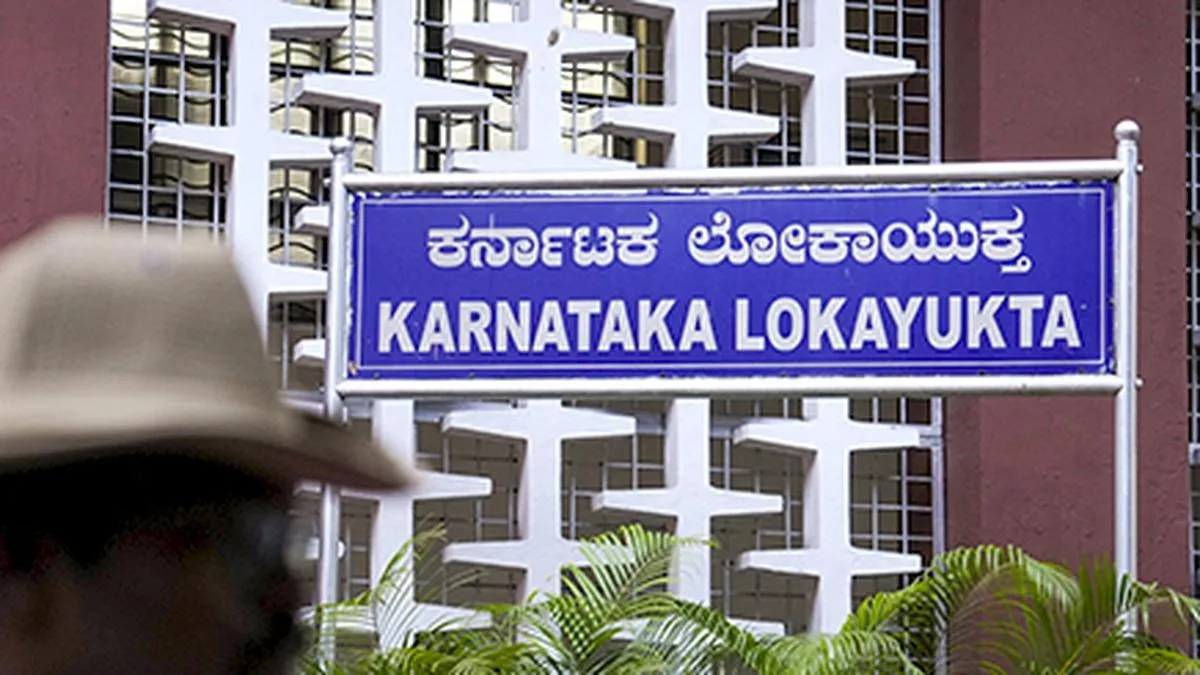
BENGALURU: Karnataka Lokayukta has registered 1,248 cases related to alleged corruption, bribery and possession of assets disproportionate to known sources of income during the last four years, with 887 of them involving alleged bribery under the Prevention of Corruption Act, according to information furnished by Chief Minister D.K. Shivakumar in the Legislative Council.
The details were provided in response to an unstarred question raised by Legislative Council members Madhu G. Madegowda and Dr Dhananjaya Sarji on August 20, 2026, seeking information on government officials and employees who had allegedly been caught accepting bribes by the Lokayukta police during the past three years.
According to the government’s response, 939 cases relating to disproportionate assets were registered between September 10, 2022 and August 13, 2026. The cases involve officials across different levels of the state administration.
The data shows that the largest number of disproportionate-assets cases involved Group C employees, with 733 cases, followed by Group B officials with 376 cases. There were 28 cases against Group D employees, 27 against KAS officers and 12 involving Group A officials. One case each was registered against IAS and IPS officers, while 49 cases involved outsourced employees.
Of the total 1,248 cases registered during the period, 218 are facing court stay orders, while B-reports have been filed in 18 cases. Chargesheets have been submitted in 364 cases, while 648 cases remain under investigation, according to the government.
The response also said that the legal status of several cases is still evolving, with some pending investigation, some before courts and others at the appeal stage. The government clarified that courts have so far not declared any government employee guilty in these cases.
Under the Prevention of Corruption Act, 1988, a total of 887 bribery cases were registered between January 1, 2023 and August 13, 2026. Court stay orders have been issued in 126 of these cases.
The government further stated that courts had completed trials in 148 corruption cases registered under the Prevention of Corruption Act since 2023 and had pronounced judgments in them. The information indicates that corruption cases involving public servants have been reported across a wide range of departments and posts.
Those booked include health officials, executive engineers, assistant engineers, commercial tax officers, police inspectors, head constables, assistant auditors, chief engineers, government prosecutors, assistant public prosecutors, police sub-inspectors, office superintendents, branch officers, assistant commissioners, surveyors, food inspectors and gram panchayat development officers.
Bengaluru city recorded the highest number of cases among several districts, with 149 officials facing Lokayukta cases. Thirty of them belonged to Group A, while the remaining accused were from Group B.
In Bengaluru Rural, 42 officials were booked, with no Group A officer among them. The cases included Group B officials such as tahsildars, besides tax inspectors, revenue inspectors, PDOs and assistant executive engineers.
Mandya recorded 74 cases, Kalaburagi 69 and Haveri 65. Davanagere had 56 cases, while Chikkamagaluru recorded 43. Mysuru had 41 cases, as did Shivamogga. Kolar recorded 42 cases and Tumakuru 37.
Belagavi reported 35 cases, including 14 Group A officials. Mangaluru also recorded 35 cases, though only one official belonged to Group A. Ballari had 28 cases, while Gadag recorded 27. Hassan had 27 cases and Vijayapura 26.
Chitradurga recorded 26 cases, Bidar 23, Chikkaballapur and Koppal 21 each, Uttara Kannada 20 and Kodagu 19. Bagalkot and Chamarajanagar recorded 18 cases each, while Ramanagara had 18 and Hospet (Vijayanagara) also recorded 18.
Yadgir had 22 cases, Raichur 16, Dharwad 18 and Udupi 11. In several of these districts, the cases predominantly involved Group B and Group C employees.
The data shows that corruption-related cases are spread across multiple levels of the state administration, with Group B and Group C employees accounting for a significant proportion of the cases. At the same time, the presence of cases against senior officials, including Group A officers, KAS personnel and isolated IAS and IPS cases, indicates that allegations have not been confined to lower-level employees.
The government’s response also underlines that registration of a Lokayukta case does not by itself establish guilt. Many cases remain under investigation or are being contested before courts, while convictions can be established only after judicial proceedings are completed.