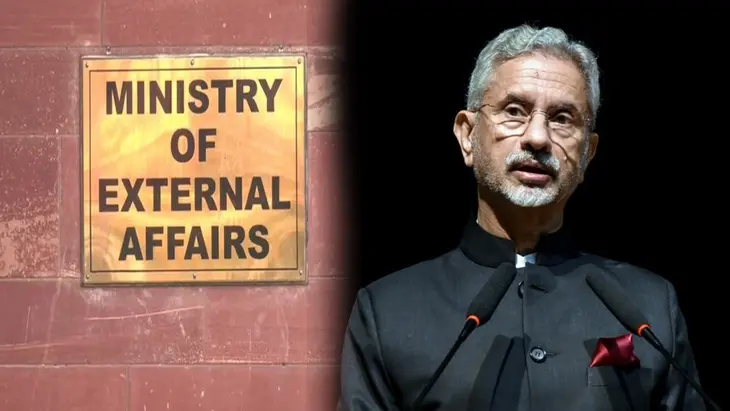
The Ministry of External Affairs (MEA) has issued a public advisory warning citizens against individuals who are falsely presenting themselves as policy advisers to the ministry on social media platforms. The ministry said it has observed several accounts claiming expertise in government affairs while portraying themselves as insiders with knowledge of MEA policies and decision-making processes.
The warning was issued through the ministry’s official MEA FactCheck handle, which regularly addresses misinformation and misleading content related to India’s foreign affairs and government functioning.
According to the advisory, certain social media users have been claiming to advise the MEA on matters related to trade, migration, foreign policy and other government issues. The ministry clarified that these claims are misleading and that the individuals concerned have no official connection with the Ministry of External Affairs.
Paid Sessions and Consultations Under Scrutiny
The MEA noted that some of these individuals are advertising paid services, including consultations, webinars, mentoring sessions and guidance programmes. Through such offerings, they claim to provide insights into the functioning of the ministry or assistance in navigating opportunities supposedly linked to the MEA.
The ministry said these claims are false and cautioned citizens against paying money for such services or engaging with individuals who claim privileged access to government institutions.
Officials stressed that no private individual can represent the ministry or offer official guidance on its behalf unless specifically authorised by the government.
The advisory stated that the individuals making such claims are not associated with the Ministry of External Affairs in any capacity and should not be considered representatives of the ministry.
It has come to the notice of the Ministry that certain individuals on social media platforms are making posts suggesting that they are advising MEA on policy related matters including on trade, migration and other issues. Further, these handles are also offering paid…
— MEA FactCheck (@MEAFactCheck) July 5, 2026
Public Asked to Rely Only on Official Sources
The ministry urged citizens to verify information only through official government communication channels. It advised people to remain vigilant while interacting with social media accounts that claim insider knowledge, government connections or special access to policy-making processes.
The MEA reiterated that all official announcements, policy updates and public information are disseminated through verified government platforms, including the ministry’s official website and authenticated social media handles.
Authorities warned that misinformation can spread rapidly online and that citizens should exercise caution before trusting individuals who present themselves as government advisers without official credentials.
Part of Wider Efforts to Combat Online Fraud
The advisory forms part of the government’s broader efforts to tackle misinformation, impersonation and digital fraud. Government departments and agencies have repeatedly warned the public against fake social media accounts and individuals who misuse the names of ministries, officials or government programmes to gain credibility.
In recent years, several cases have emerged involving people falsely claiming links to government institutions, offering jobs, consultancy services, training programmes or privileged access in exchange for money.
Officials have consistently advised citizens to verify such claims through official channels and avoid making payments based on unverified promises or representations.
Growing Concern Over Government Impersonation Online
The rise of social media has made it easier for individuals to project themselves as experts or advisers on public policy and governance. While many legitimate analysts and researchers contribute to public discussions, authorities have expressed concern about those who falsely claim official roles or government affiliations to attract followers, clients or financial benefits.
The MEA’s latest advisory serves as a reminder that government ministries communicate through designated and verified channels, and any claim of official association should be independently verified before being trusted.
By issuing the warning, the ministry aims to protect citizens from potential misinformation and financial fraud while preserving the credibility of official government communication. Citizens have been encouraged to report suspicious accounts and rely solely on verified sources for information related to the Ministry of External Affairs and India’s foreign policy.