As trade talks between India and the United States continue to face friction, genetically modified (GM) crops have surfaced as a central flashpoint. Although GM seeds are extensively grown in many parts of the world without any officially recorded adverse effects, India has so far adopted a cautious, restrictive stance on their commercial use.
This report seeks to unpack the debate by addressing some fundamental questions: What exactly are GMO seeds and products? Why has India restricted their broader adoption? What drives US interest in India’s vast agricultural market? What potential benefits and risks are attached to GM technology? And why do environmental groups and NGOs continue to voice strong concerns?
What are GMO seeds and why do they matter?
Genetically Modified Organism (GMO) seeds are plant varieties altered at the DNA or gene level to provide traits like higher yield, pest resistance, drought tolerance, or improved nutritional value. The World Health Organisation (WHO) defines GMOs as organisms whose genetic material has been altered in ways that do not occur naturally through mating or recombination.
Globally, GM seeds are seen as part of “modern biotechnology” or “genetic engineering,” a tool for tackling food insecurity and increasing agricultural productivity. For example, GM crops may require fewer pesticides, extend shelf life, and withstand harsh climates, making them attractive for large-scale cultivation.
A 2024 report by NITI Aayog notes that global producers achieve much higher agricultural yields than India’s oilseed crops largely because of genetically modified and herbicide-tolerant varieties. This creates pressure for India to reconsider its stance on GM technology as it struggles with food security and import dependence.
India’s relationship with GM foods
India’s policy on GM foods is best described as cautious acceptance with strict restrictions.
Bt Cotton (2002): India approved Bt cotton as its first and only commercially cultivated GM crop. Today, over 90 percent of cotton acreage in India is under Bt cotton, making India the world’s largest cotton producer. Despite initial fears, Bt cotton helped increase yields and reduce pesticide use.
GM Oils: Since 2014, India has allowed the import of GM soybean oil from Brazil, Argentina, and Russia. According to the Union Ministry of Environment, Forest and Climate Change, 55-60 percent of India’s edible oil demand is met through imports, the majority of which are genetically modified.
Bt Brinjal (2009): Approved by India’s Genetic Engineering Appraisal Committee (GEAC), but later suspended due to public and political resistance.
GM Mustard (2022): Approved for environmental release but not yet cleared for full commercial cultivation.
Other crops such as maize, pigeon pea, chickpea, and sugarcane are under research or field trials, but remain blocked from large-scale cultivation.
Thus, while Indians consume GM oils and cottonseed oil indirectly through dairy and feed, India does not permit domestic farmers to grow GM maize, soybean, or brinjal commercially.
Benefits of GMO seeds
Supporters argue that GM seeds could transform Indian agriculture by improving yields, reducing costs, and lessening environmental harm.
Dr. Satbir Singh Gosal, Vice-Chancellor of Punjab Agricultural University, as quoted in a media report said, “GM seeds do not require, or require very little, pesticides. Pesticides leave residues which we consume. Moreover, GM seeds have been used in the US since 1996 and people there have had no issues from it.”
According to WHO, GM foods can increase crop yields, expand food variety, and improve nutritional quality, potentially lifting nutrition and living standards.
Why India is cautious?
Despite the benefits, experts and policymakers underline serious risks:
Unknown Health Effects: WHO cautions that some genes used in GM crops are new to the food chain. Every new GM food requires rigorous long-term safety assessments.
Environmental Concerns: GM crops may affect biodiversity, lead to pest resistance, or contaminate non-GM crops through cross-pollination.
Farmer Dependence on Corporations: GM seeds are often patented by multinational companies, raising concerns that Indian farmers could become dependent on foreign seed suppliers.
Public Opposition: Past controversies, such as the Bt brinjal moratorium, reveal deep distrust among the public and activists regarding GM technology.
India’s GEAC is tasked with ensuring safety, but civil society argues that more independent research is needed before expanding GM seed cultivation.
Why the US wants to export corn and soybean to India?
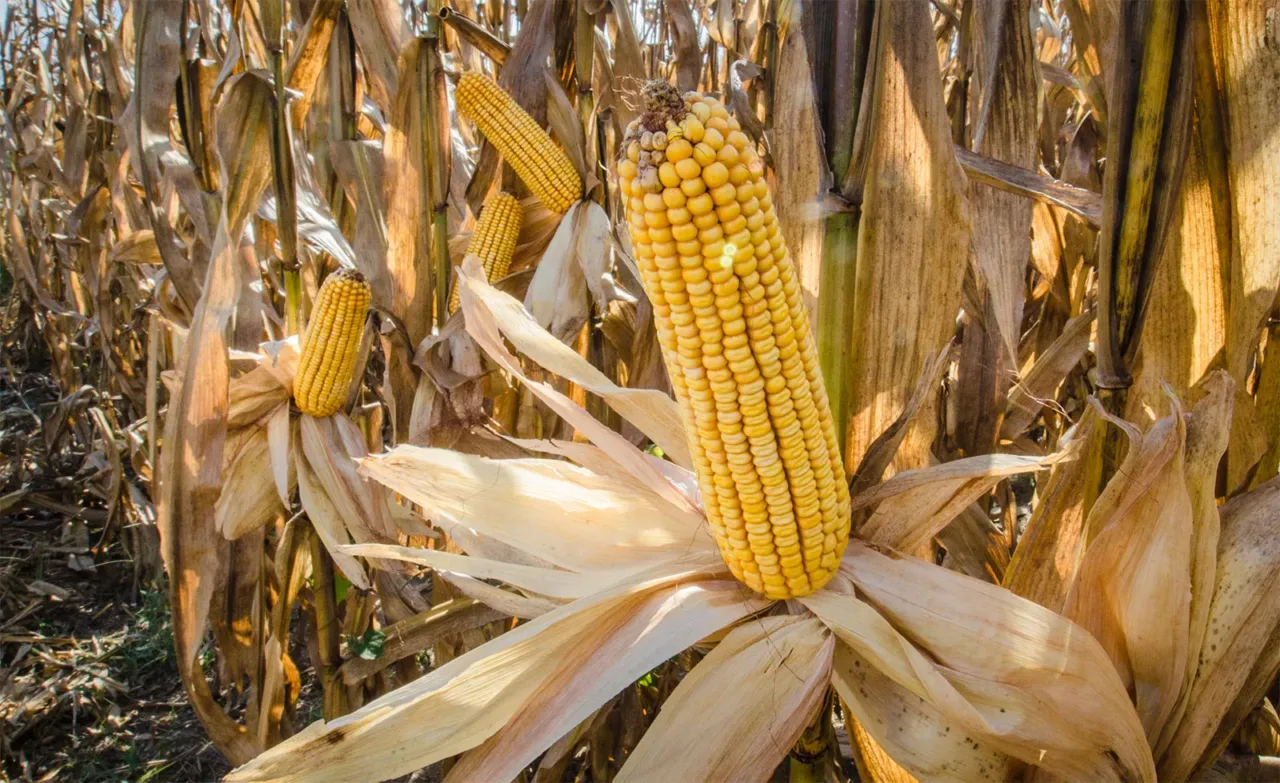
The US is one of the world’s largest producers of GM crops, with nearly all its corn and soybeans genetically modified. But India currently does not allow the import of GM maize due to health concerns and high tariffs.
US Commerce Secretary Howard Lutnick recently criticized India for not opening its market: “Why does 1.4 billion people in India buy only one lot of corn from the US?”
The pressure is partly due to a China factor. Since January 2025, China has sharply reduced corn imports from the US due to trade tensions, pushing Washington to look for alternative buyers like India.
India continues to import GM soybean oil but resists corn imports. Experts argue this is inconsistent: Indians are already consuming GM products indirectly through oils, yet India bans GM seed cultivation and GM corn imports.
The Voices Against GM Seeds
This coalition of farmers, NGOs, and environmental groups campaigns against GM crops. They argue that:
GM crops may harm soil health and biodiversity.
They threaten farmers’ autonomy by pushing them towards patented seeds.
Long-term health risks remain under-researched.
In July 2025, activists forced Punjab Agricultural University to halt research on GM maize trials, reflecting the intensity of opposition on the ground.
Beyond science, GM seeds trigger fears about “foreign control” over Indian agriculture. Critics see them as tools for global corporations to dominate local food systems.
The Paradox: India Consumes GM Oil but Blocks GM Seeds
Dr. Satbir Gosal highlights this contradiction: “The soybean oil we import from the US is all genetically modified. The canola oil from Canada is also GM. There is unnecessary worry among people about GM seeds.”
Indians consume GM soybean oil daily, but farmers are not allowed to grow GM soybean or maize domestically. This paradox stems from political caution: importing oil is one thing, but allowing farmers to grow GM seeds raises bigger debates on sovereignty, safety, and control over food systems.
Should India embrace GM seeds?
Supporters of genetically modified (GM) crops argue that they can play a transformative role in Indian agriculture. By reducing the need for excessive pesticide use, GM seeds can help lower both health hazards for farmers and environmental damage. They also have the potential to significantly boost yields, making Indian produce more competitive in global markets. Proponents further believe that wider adoption of GM technology could contribute to the vision of Atmanirbhar Bharat by reducing India’s heavy dependence on edible oil imports.
On the other hand, critics highlight several serious concerns. They point out that the long-term ecological and health impacts of GM crops remain uncertain, with insufficient research on their wider consequences. There is also the risk of farmers becoming increasingly dependent on multinational corporations for patented seeds, raising questions of affordability and sovereignty. In addition, strong public opposition to GM crops, driven by environmental groups and civil society, could potentially trigger social and political unrest, making their introduction highly contentious.
At crossroads?
India today stands at a crossroads. On one side lies the promise of genetically modified (GM) crops, seen by some as a solution to rising food demand, import dependence, and productivity challenges. On the other, India’s deep-rooted traditions of natural and organic farming continue to shape public policy and farmer sentiment, with many groups urging caution over the long-term ecological and health consequences of GM adoption.
For now, India seems committed to an approach where: allowing imports of GM oils to meet domestic demand while keeping strict restrictions on commercial use of GM seeds within its own farmlands. Research continues, but full-scale adoption remains on hold as the government promotes natural farming initiatives and traditional practices.
The larger question remains: should India adopt GM technology as a shortcut to food security and reduced imports, or should it maintain its cautious approach, investing in natural farming and indigenous methods to ensure long-term sustainability, sovereignty, and safety for future generations?