





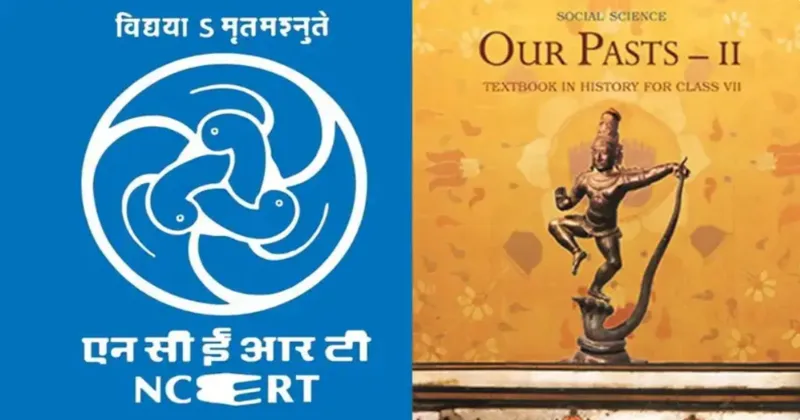
NEW DELHI: The ancient Indian philosophy of Vasudhaiva Kutumbakam i.e. the idea that the world is one family has now become part of school education. The National Council of Educational Research and Training (NCERT) has introduced a new Social Science chapter for Class 7 that explores the roots of this timeless belief and its relevance in India’s cultural and historical evolution. This chapter is not just another addition to the syllabus. It is a conscious attempt to remind young minds that the idea of global brotherhood is not new to India, it has been an integral part of the nation’s moral and cultural fabric for thousands of years.
Officials from NCERT explained that the lesson aims to help children see Vasudhaiva Kutumbakam as more than a slogan or diplomatic phrase. While it gained global visibility during India’s G20 presidency under Prime Minister Narendra Modi, the philosophy itself predates modern politics by centuries. It reflects India’s deep-rooted spirit of inclusivity, compassion, and peaceful coexistence.
The chapter, titled “India, a Home to Many,” explores India’s long history of welcoming people from different faiths and regions. Over the centuries, groups such as Jews and Parsis sought refuge on Indian soil, fleeing persecution and conflict in their homelands. They found not only safety here but also dignity, opportunity, and a sense of belonging. Their stories, woven into the fabric of Indian society, became living examples of the nation’s belief in treating humanity as one family.
The chapter highlights how India’s willingness to offer sanctuary to those in distress evolved into a defining feature of its civilisation. This act of acceptance was not merely political: it was moral, spiritual, and cultural. “The people who came here found peace and purpose. They realised the meaning of India,” said NCERT Director Dinesh Prasad Saklani.
For students, the lesson carries a simple yet profound message: India has not just preached the values of compassion and tolerance, it has practised them for centuries. The philosophy is not theoretical; it is reflected in the country’s lived history, from its pluralistic communities to its open-hearted traditions.
Linking History, Culture, and Knowledge
The new chapter also widens its scope beyond social history, introducing children to India’s remarkable scientific and cultural achievements. It traces how art, architecture, and technology flourished together in ancient times, showing that creativity and inclusivity were two sides of the same coin in Indian civilization. Through the study of temples, monuments, and ancient engineering marvels, students are invited to see how India’s builders and scholars combined aesthetic beauty with deep intellectual curiosity. These structures, many of which still stand today, showcase not only artistic excellence but also the collective spirit of a civilisation that believed in progress through shared knowledge.
By integrating Vasudhaiva Kutumbakam into the curriculum of Class 7, NCERT hopes to encourage students to view humanity through a lens of empathy and unity. In a world often divided by borders and beliefs, this lesson offers an alternative narrative: one of oneness, respect, and cooperation.










Comments