






New Delhi: In a significant move, Bihar government has initiated the process for constitution of Pali and Prakrit vernacular academies in the state. The government’s move is aimed at promoting and preserving the ancient vernaculars.
According to a notification issued by the government, both the academies will work under the administrative control of the state’s Higher Education Department. Other than the two academies, already existing language academies in the state have also been brought under the administrative control of the Higher Education Department.
The announcement was made a day after state cabinet led by Chief Minister Nitish Kumar accorded nod to creation of three new departments including the Higher Education Department in a cabinet meet held on Tuesday.
The newly created department has been allocated the administrative control of institutions engaged in research work of university level in social, economic, scientific and other fields.
“The objective of creating the Higher Education Department in the state is to bring about qualitive improvement in higher education, promote research and innovation, develop technical and vocational educational and ensure that youth from all sections of society receive quality employment-oriented education,” said Chief Minister Nitish Kumar in a statement released earlier.
Pali and Prakrit language
Both Pali and Prakrit are ancient Bhartiya languages which were conferred ‘classical language status’ by the Union Government in October last year.
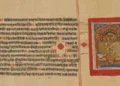
Pali is adopted both by Buddhist and Jain sects in ancient Bharat as their sacred language. It was widely used by Bhagwan Buddh to deliver his sermons, making it a key medium for spreading his teachings. The ‘Tipitaka’ meaning the ‘Threefold Baskets’ including the Vinay Pitaka, Sutta Pitaka and Abhidhamma Pitaka were all also written in Pali.
Pali literature also includes the Jataka Kathas. The language is continue to be studied in several Buddhist countries including Myanmar, Thailand and Srilanka and other nations and regions with notable presence of Buddhist population such as in Japan, China, Mongolia, Chittagaon (Bangladesh) and Tibet.
Prakrit on the other hand is considered the foundation of many modern day Bhartiya languages with Rashtrabhasha Hindi tradition also developing from Prakrit ‘Apbhransh’. Languages like Bengali and Marathi also traced their development back to Prakrit.
Prakrit inscriptions such as those from the pre-Mauryan period and those from King Ashoka and Kharvel serve as vital historical records. The vernacular was recognised as the language of majority of the Bhartiyas by scholars like Acharya Bharatmuni who termed it rich in artistic expression and cultural diversity.








Comments