





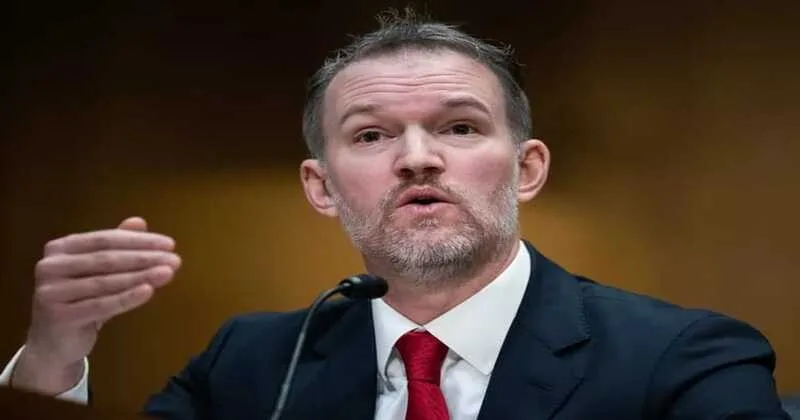
As American negotiators opened two days of trade discussions in New Delhi on December 10, a senior US official in Washington said India has submitted its strongest proposals so far for a long-pending bilateral trade pact. Testifying before the Senate Appropriations Committee, US Trade Representative Jamieson Greer described India as a difficult negotiating partner but acknowledged that the Modi government’s latest market-access offer is the most substantial the US has seen. He told lawmakers that India continues to resist concessions on certain row crops, meat products and other agricultural goods, but US officials believe New Delhi is displaying a degree of flexibility not witnessed before. Greer noted that despite the challenges, the proposals currently on the table represent the most forward-leaning position India has ever put forward in its engagement with Washington.
“There’s resistance in India to certain row crops and other meats and products. Like you said, they’re a very difficult nut to crack. I agree with that 100 per cent,” Greer told lawmakers. “But they’ve been quite forward leaning. The type of offers they’ve been talking to us about have been the best we’ve ever received, as a country”, he said. Jamieson Greer called India a “tough nut to crack”.
Greer said a US delegation is in New Delhi to work through the remaining friction points, the most prominent being India’s reluctance to open its market to American farm produce, meat and dairy. Even with those unresolved issues, he said Washington increasingly views India as an attractive alternative market as it seeks to diversify global trade channels in an era of economic and geopolitical realignment. The delegation, led by Deputy US Trade Representative Rick Switzer, began meetings on Wednesday with India’s chief negotiator and Commerce Department Joint Secretary Darpan Jain. Commerce Secretary Rajesh Agrawal is overseeing the discussions, which are being conducted through two separate tracks: one on tariff rationalisation and another on the broader bilateral trade agreement.
Commerce and Industry Minister Piyush Goyal said the negotiations are progressing steadily. He told reporters that India and the US are moving forward toward a bilateral trade framework and indicated that he may meet the visiting American team. Officials on both sides see this round as particularly important, as they aim to finalise the first tranche of a framework deal within the year. The visit comes amid heightened trade tensions. The US recently imposed a 25 per cent tariff and an additional 25 per cent penalty on Indian goods linked to New Delhi’s purchase of Russian oil, a combined 50 per cent levy, which is among the steepest duties Washington has slapped on any partner.
The atmosphere became more charged earlier this week after US President Donald Trump threatened new tariffs on Indian rice. At a White House roundtable, a farmer representative alleged that India, China and Thailand were dumping rice in the American market. Trump publicly questioned why India was allowed to export rice without facing higher tariffs and asked Treasury Secretary Scott Bessent if any exemption existed. When informed that a trade agreement with India was under negotiation, Trump insisted that such practices should not continue and said he expected the issue to be resolved quickly, remarking that tariff action could settle it almost immediately. The India–US trade talks have remained deadlocked for months because New Delhi has steadfastly defended Washington’s pressure for its domestic farming and dairy sectors. Indian officials argue that any compromise affecting rural livelihoods is off the table. Earlier, sources indicated that India has no intention of diluting protections for its dairy industry, which remains one of the most politically and economically sensitive sectors in the country.
Commerce Secretary Rajesh Agrawal recently said New Delhi hopes to finalise a basic framework agreement this year. Such a deal would address tariff-related concerns faced by Indian exporters, even though a comprehensive bilateral trade pact is expected to take more time. With both sides running parallel negotiating tracks, diplomats say progress on the framework agreement could help stabilise the relationship between both countries.











Comments