





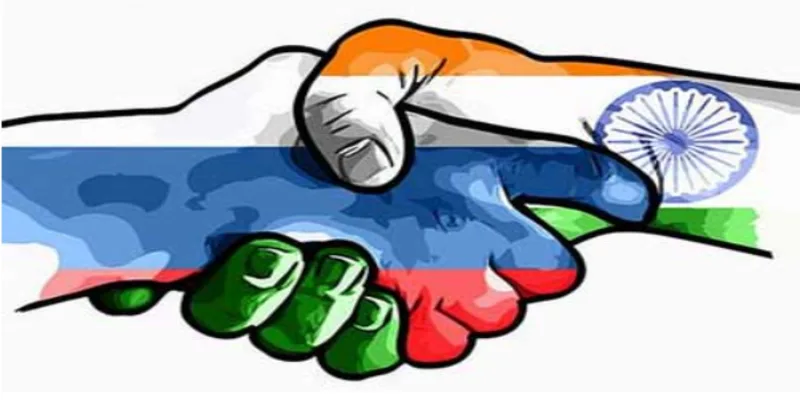
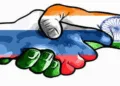
India and Russia share a relationship that is deeply rooted in history, strategic trust, and a sense of mutual reliability that has evolved over decades. The foundations of this partnership were laid during the early years of India’s independence, when the Soviet Union emerged as one of the first major global powers to support India’s developmental aspirations. This historical solidarity did not simply create a diplomatic partnership but nurtured an emotional and civilizational bond between the peoples of both countries. Over time, the relationship matured into a multifaceted engagement encompassing defence, economy, culture, geography-based strategic cooperation, and global diplomatic coordination. The significance of these historical ties continues to influence contemporary policies and ensures that the India–Russia partnership remains one of the most durable bilateral relationships in world politics.
The economic dimension of this relationship has expanded steadily, shaped by complementarities rather than competition. India’s growing energy demands naturally align with Russia’s position as one of the world’s largest producers of oil, gas, and other natural resources. Long-term agreements on crude oil supplies, nuclear energy cooperation, and investments in hydrocarbons form the backbone of economic engagement. Russia’s role in developing India’s civilian nuclear programme, most notably through the Kudankulam Nuclear Power Plant, stands as a symbol of high-technology cooperation based on trust. In return, Indian companies have invested in Russian energy fields, ensuring two-way economic participation. The economic partnership also extends to sectors such as pharmaceuticals, fertilizers, information technology, and space research. Despite global geopolitical changes and sanctions-related disruptions, both countries continue to explore alternative payment mechanisms and logistical routes to sustain bilateral trade, reflecting the resilience of their economic ties.
Geography plays an important and often underappreciated role in shaping India–Russia cooperation. Although the two countries do not share borders, their strategic geography intersects across Central Asia, the Arctic, and the Indian Ocean region. Russia remains a key gateway for India to access the resource-rich regions of Central Asia, especially through initiatives like the International North–South Transport Corridor, which aims to create a shorter and more efficient trade route linking India with Russia and Europe via Iran and the Caspian Sea. At the same time, Russia’s increasing focus on the Arctic, driven by climate-induced shifts in trade routes and energy potential, offers India new avenues for scientific collaboration and energy partnerships. The geographical complementarity is also evident in maritime cooperation as both nations work together to ensure stability in the Indian Ocean and promote a multipolar Asia where no single power can dominate regional dynamics.
Cultural ties between India and Russia have always been warm and mutually enriching, building a sense of familiarity that goes far beyond state diplomacy. For decades, Indian literature, cinema, and performing arts enjoyed an enthusiastic audience in Russia, where Indian films achieved a level of popularity unknown in many other parts of the world. Russian translations of Indian epics, philosophical texts, and modern literature created a bridge of intellectual engagement. Similarly, India has long admired Russian contributions to literature, classical music, ballet, and theatre, with writers like Tolstoy, Pushkin, and Dostoevsky having a profound impact on Indian intellectual tradition. Educational exchanges have strengthened cultural connectivity, with thousands of Indian students pursuing medical and technical education in Russian universities. The goodwill generated by these cultural interactions adds a human dimension to the bilateral relationship, reminding both countries of the historical warmth that continues to guide present engagements.
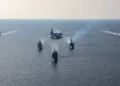
Defence cooperation stands out as the most enduring pillar of India–Russia relations, rooted firmly in decades of trust and strategic alignment. Russia has long been India’s most important defence partner, supplying equipment, technology, and joint production capabilities at critical moments when many other countries were unwilling to do so. The Soviet Union and later Russia provided India with advanced weaponry, from fighter aircraft and submarines to missile systems that significantly strengthened India’s defence preparedness. The joint development of high-end platforms such as the BrahMos missile and the lease of nuclear submarines reflect the depth of this collaboration. Even today, a substantial portion of India’s military equipment is of Russian origin, making Russia not only a supplier but a long-term partner in maintenance, upgrades, and technological cooperation. In an era marked by shifting geopolitical alliances, the defence relationship retains its significance as both countries continue to work on co-development, joint training, intelligence cooperation, and strategic dialogue.
The historical significance of India–Russia relations extend beyond individual sectors into the larger sphere of global diplomacy. During the Cold War, the Soviet Union played a key role in supporting India in the United Nations and other international forums, especially on sensitive issues concerning national security and territorial integrity. This consistent backing built a foundation of political trust that continues to shape India’s approach to Russia even as New Delhi diversifies its global partnerships. India values Russia’s support in multilateral institutions such as the United Nations, BRICS, and the Shanghai Cooperation Organisation, where both countries advocate for a more balanced, multipolar world order. The historical memory of Soviet assistance during moments of crisis reinforces India’s view of Russia as a time-tested partner rather than a transactional ally. Similarly, Russia regards India as a stable, responsible power whose rise contributes to global equilibrium rather than instability.
Today, the India–Russia relationship continues to evolve under changing global circumstances. New challenges such as shifting geopolitical alliances, economic sanctions, and the rise of other major powers have compelled both nations to re-examine their bilateral priorities. Yet the strength of historical ties ensures that the partnership remains adaptable. Whether in defence cooperation, energy security, cultural diplomacy, or emerging areas like Arctic research, digital technology, and connectivity projects, both countries remain committed to preserving the depth of their engagement. The absence of major conflicts of interest further enhances the stability of the relationship.
The enduring partnership between India and Russia stands as a reminder of how historical trust, cultural warmth, strategic convergence, and long-term cooperation can create a bond that withstands the pressures of global politics. The relationship is not simply an arrangement of convenience but a reflection of shared experiences, mutual respect, and a belief in independent foreign policy choices. As both countries navigate an increasingly complex world, the significance of their historical ties will remain central in guiding future cooperation, ensuring that the India–Russia partnership continues to thrive across economic, geographical, cultural, and defence dimensions.




Comments