





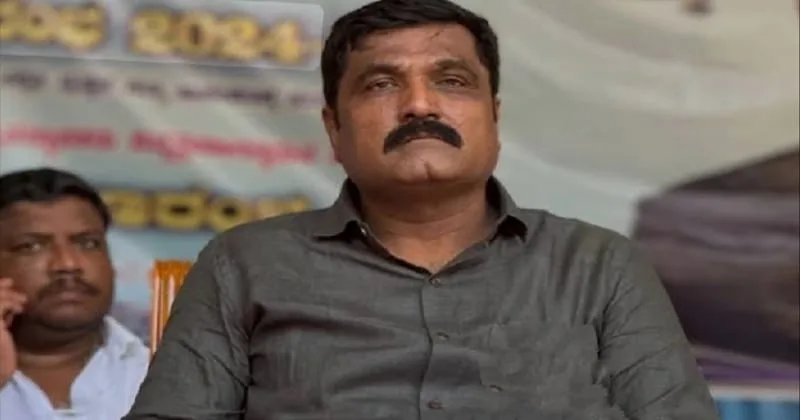
Karnataka’s famed Karnataka Soap and Detergent Limited (KSDL), the maker of the iconic Mysore Sandal Soap, has come under a cloud after JDS MLA H.T. Manju alleged large-scale corruption in the company’s purchase of sandalwood oil and other raw materials. Manju, addressing reporters at Vidhana Soudha on December 5, claimed that serious irregularities have taken place in the awarding of tenders, pricing of sandalwood oil, and scrutiny of procurement documents.
‘Corruption in sandalwood oil purchase; documents ignored’
Speaking to the media, Manju said that an 800-page report detailing irregularities had come into his possession. However, despite writing to KSDL seeking data and clarifications, only nine tender documents were made available to him.
“I wrote to the Chief Secretary, the Minister of Industries, and even to the Chief Minister. But till today, I have not received a single reply,” the MLA said, accusing the administration of deliberately avoiding transparency.
According to him, KSDL — established in 1918 — is being pushed into financial mismanagement despite its long legacy. “The company claims to have deposited Rs 1,500 crore. But fake documents have been prepared, and products are being shown as unsold to justify giving 40% discounts,” he alleged.
Accusation of tendering to a blacklisted company
A significant portion of Manju’s allegations targeted the tendering process. He claimed that a company named Karnataka Aromas, which was previously blacklisted, has now been awarded major tenders. He says tender rules were bypassed, and documents required to justify procurement were withheld.
“They claim they are importing sandalwood oil from abroad but have not provided any customs or import documents. In reality, the oil is procured locally. Even GST has not been paid, which is a direct violation of law,” Manju alleged.
Price disparity raises eyebrows
Raising further suspicion, the MLA highlighted massive differences in sandalwood oil pricing. “In May 2025, the price of 1 kg of sandalwood oil was Rs 2.24 lakh. Yet, for 7,500 metric tons, a tender has been approved at just Rs 93,116 per kg. This creates a gap of nearly Rs 17,000 crore,” he claimed. Manju also alleged that the pre-tender scrutiny committee, which is mandated to assess market prices before inviting tenders, failed to perform its duty.
“This tender is worth Rs 570 crore, yet no proper market valuation was done. The Managing Director was negotiating prices over phone calls without any formal record. How can procurement of this scale be handled so casually?” Manju asked.
He further claimed that the same individual managed to secure tenders under different company names within the same financial year. “Three audit reports were altered, and approvals were manipulated,” he said.
Minister MB Patil hits back: ‘Show me proof, I will act’
Industries Minister M.B. Patil, responding to the allegations, said he would examine the matter but warned against baseless accusations.
“I have not seen the documents yet, but I will get them verified. If there is mismanagement, strict action will be taken,” he assured.
Patil, however, was sharply critical of the nature of the allegations. “There are many people who make accusations for political mileage. If you tell me who made these allegations, I will kick it in. We will issue a proper clarification,” he said.
The minister added that KSDL has been performing well in recent years and that attempts to malign the company’s image will not be tolerated.
“We will release complete details soon. If irresponsible allegations continue, we will go for defamation action. KSDL is growing, and we will not allow anyone to damage its reputation,” Patil said, emphasising that any irregularity found in the tendering process will be dealt with sternly.
The allegations come at a time when corruption accusations have become a political flashpoint in Karnataka, with opposition leaders frequently targeting the government. Just days ago, Chief Minister Siddaramaiah claimed that corruption levels in the previous BJP government touched 63 per cent, triggering heated exchanges.







Comments