





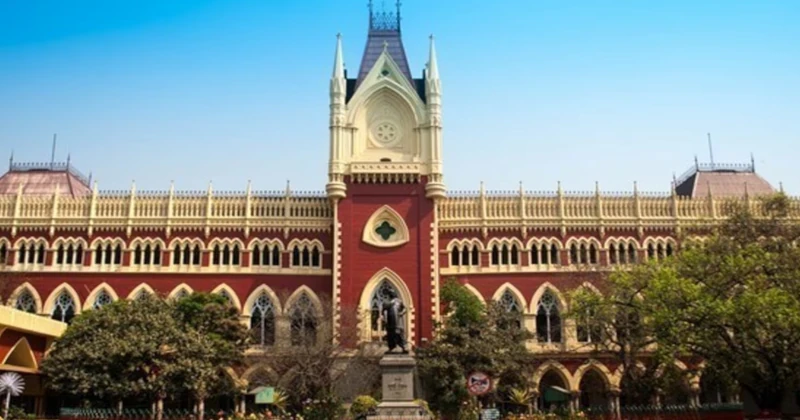
The Calcutta High Court is scheduled to hear today (December 5) a plea seeking an immediate halt to a foundation-stone-laying event for a proposed mosque named “Babri Masjid”, planned for December 6, 2025, in Beldanga Block I of Murshidabad district. The writ petition, filed by a local resident, argues that the programme poses a serious threat to communal harmony and public order in the region.
The controversy erupted when Humayun Kabir, then a Trinamool Congress (TMC) MLA from Bharatpur, publicly announced on social media that he would lay the foundation of a “Babri Masjid” in Murshidabad. The announcement went viral, triggering sharp political and social reactions. Several regional media outlets, including Anandabazar Patrika and The Telegraph, reported that Kabir’s comments invoked strong criticism due to the sensitive historical associations with the Babri Masjid-Ram Janmabhoomi dispute.
Kabir’s remarks, the petition claims, were “derogatory, provocative and deliberately inflammatory”. They involved comparisons intended to evoke religious tensions, prompting concerns that the December 6 event could mobilise groups and escalate law-and-order challenges.
In the plea submitted before the High Court, the petitioner argues: Kabir’s public remarks were intentionally communal in tone and could “disturb the fragile peace” in Murshidabad.
Naming a mosque “Babri Masjid” and scheduling the event on December 6, the anniversary of the Babri Masjid demolition, appears “deliberate and incendiary.”
Multiple complaints and representations were submitted to senior district authorities, police officials and the state administration, but no preventive action was taken.
The absence of state intervention compelled the petitioner to approach the High Court seeking an immediate stay.
As public criticism intensified, the Trinamool Congress distanced itself from Kabir’s statements. Several national media houses, reported that the party leadership viewed Kabir’s comments as a breach of discipline.
On November 30, TMC suspended Kabir for “gross indiscipline”, with senior leader Firhad Hakim stating that the party could not allow any member to make statements capable of harming communal harmony in West Bengal. Hakim added that Kabir’s remarks were “entirely his own” and did not reflect the party’s position.
The announcement of the mosque event drew criticism from several opposition groups. BJP leaders accused the TMC of “minority appeasement” while Congress leaders demanded clarity on whether the state administration had sanctioned such a programme.
Local reports noted heightened tensions in certain pockets of Beldanga, prompting residents to express concern about potential clashes if the December 6 programme proceeds.
Given the sensitivity of the issue, the hearing is being closely watched by legal experts, political parties, and local communities.
The event is scheduled for December 6, the date associated with the 1992 demolition of the Babri Masjid in Ayodhya, a flashpoint in India’s communal history. This coincidence has amplified concerns across Murshidabad, a district with a significant Muslim population and a past history of sporadic communal tension.
As the High Court takes up the matter today, the ruling is expected to shape the administrative and political handling of the proposed event. The court’s decision may also impact how future religious events with sensitive terminology or timing are regulated in West Bengal.














Comments