





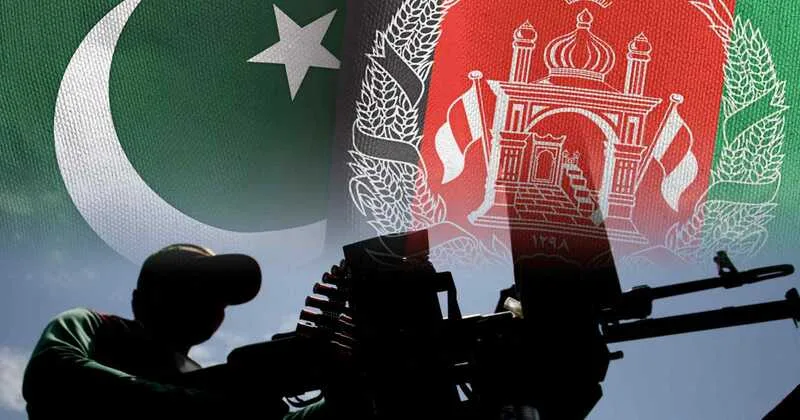
Pakistan’s economy is facing a severe strain as the ongoing trade standoff with Afghanistan delivers unexpected repercussions. Multiple Pakistani media reports note that the halt in cross-border commerce has deepened Pakistan’s already fragile economic crisis, destabilising several key sectors. Tensions escalated sharply after renewed disputes along the border. In response, Pakistan suspended trade with Afghanistan as a punitive measure. The situation deteriorated further when Pakistan’s DG ISPR, Lieutenant General Ahmed Sharif Chaudhry, warned Kabul that “blood and trade do not go together.” That declaration, intended as leverage, has now boomeranged, inflicting significant damage on Pakistan’s own economy. What began as minor border skirmishes soon evolved into one of the worst phases in bilateral ties, compounded by Pakistan’s mass expulsion of Afghan nationals during the harsh winter months. The diplomatic rupture quickly spiralled into a full-blown trade war. Yet, reports indicate that Pakistan, not Afghanistan, has borne the heavier loss.
After both countries shut border trade routes on October 11, Afghanistan moved swiftly to reroute commerce through Central Asian nations as well as India and Iran. Pakistan, however, failed to cushion the impact. According to Pakistani media, the suspension of trade has delivered a substantial blow to the country’s shaky financial system. Citing several local publications, including Karachi-based Dawn, analysts say the disruption has weakened Pakistan’s trade flows, industrial production and export operations. Business communities told Kabul’s Ariana News Network that losses have already reached into the trillions of Pakistani rupees due to the 45-day closure of the Durand Line border crossings.
The mounting crisis prompted a delegation of traders to seek the help of Jamiat Ulema-e-Islam (F) chief Maulana Fazlur Rehman, urging him to intervene and facilitate the reopening of trade. The stalemate has paralysed not only bilateral commerce but also key Pakistani industries dependent on Afghan imports and exports. Shortages, rising prices and production delays have become increasingly common. Pakistan’s Foreign Minister and Deputy Prime Minister Ishaq Dar confirmed, as reported by Tolo News, that the United Nations has advised Islamabad to reconsider its decision to seal trade routes with Afghanistan. Dar added that he would consult Prime Minister Shehbaz Sharif and Army Chief General Asim Munir on the matter.
Among the worst affected is Pakistan’s cement sector. The long closure has shut off the supply of Afghan coal, a critical input, while halting Pakistan’s cement exports to Afghanistan entirely. But the disruptions extend far beyond coal and cement. After 48 days of border inactivity, exports of medicines, agricultural goods and other essential products have also collapsed. Industries previously tied to Afghan markets now face an uncertain future, according to Pakistan Today. Entire business ecosystems built around cross-border trade have come to a halt. Small traders, transport operators and logistics networks are burdened with mounting debts, and labourers fear widespread unemployment. As Dawn reports, commercial life along the border, once bustling with activity, has been reduced to complete stagnation.









Comments