





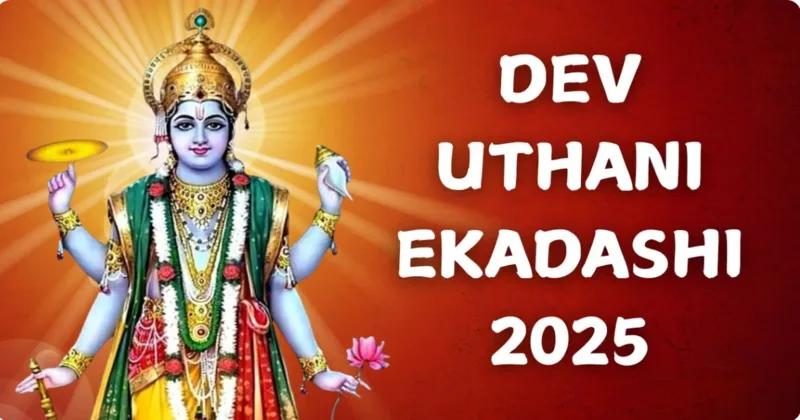
NEW DELHI: Dev Uthani Ekadashi, also known as Prabodhini Ekadashi/ Kartik Shukla Ekadashi is considered to be one of the most sacred occasions in the Hindu calendar. Celebrated on the 11th day (Ekadashi) of the Shukla Paksha in the Kartik month, Dev Uthani Ekadashi symbolises the divine awakening of Bhagwan Vishnu after his four-month-long cosmic slumber, known as Chaturmaas. This year, the festival will be observed on November 1, 2025 (Saturday), and will bring an end to the inauspicious Chaturmaas period and reopen the doors for all auspicious activities such as weddings, housewarmings, and religious ceremonies.
Dev Uthani Ekadashi 2025: Date and Time
- Ekadashi Tithi Begins: November 1, 2025 – 9:11 AM
- Ekadashi Tithi Ends: November 2, 2025 – 7:31 AM
- Parana Time: November 2, 2025 – 1:11 PM to 3:23 PM
- Parana Day Hari Vasara Ends: November 2, 2025 – 12:55 PM
For those observing Gauna Ekadashi, the fasting date will be November 2, 2025, with Parana Time on November 3, 2025 (6:34 AM to 8:46 AM).
Puja Vidhi (Rituals and Worship)
Devotees begin their day early on Dev Uthani Ekadashi with a bath before sunrise. This signifies purification of both body and soul. The rituals begin with cleaning the home and the puja area thoroughly, to ensure a pure aura for worship. A murti or image of Bhagwan Vishnu is then placed on a wooden platform, accompanied by a Shri Yantra to invoke divine presence. A ghee lamp is lit, and the altar is adorned with fresh flowers and garlands. Devotees offer Tulsi leaves, panchamrit, fruits, and homemade sweets to the deity as part of the rituals.
During the evening Gaudhooli time, women traditionally draw designs using Khadiya and Geru chalk. Devotees offer sevaiyan, singhara (water chestnut), sugarcane, and dakshina to Bhagwan Vishnu, and keep a ghee lamp covered with a sieve burning throughout the night.
As part of the awakening ritual, devotees sing bhajans, ring bells, and clap to symbolically wake up Bhagwan Vishnu from His divine rest. The sieve/ filter is removed from the diya, and devotees perform aarti and pray for peace, prosperity, and happiness. Homes and temples are lit up with lamps and diyas, spreading light and positivity. The next morning, offerings and sweets are shared with children and family members as prasad, completing the observance.
Spiritual Significance of Prabodhini Ekadashi
According to Hindu scriptures, Bhagwan Vishnu, the preserver of the universe, rests in the Ksheer Sagar (cosmic ocean of milk) during Chaturmaas. On Kartik Shukla Ekadashi 2025, he awakens and this marks the beginning of a new spiritual cycle. This event is considered extremely sacred and symbolises the revival of divine energy in the universe.
During Chaturmaas, all auspicious events such as marriages and religious functions are traditionally suspended. Thus, with Bhagwan Vishnu’s awakening, these activities are resumed with great enthusiasm and happiness. Temples of Bhagwan Vishnu and Bhagwan Krishna across India are beautifully decorated with lights and flowers, and special prayers, bhajans, and processions take place to celebrate this divine awakening.
Not only this, Prabodhini Ekadashi also carries immense spiritual importance. As per the Skanda Purana, Bhagwan Brahma explained to Sage Narada that those who observe the Dev Uthani Ekadashi fast with devotion attain moksha (liberation) and are freed from past sins. It is believed that such devotees reach Vaikuntha Dham, the eternal abode of Bhagwan Vishnu.
Why Dev Uthani Ekadashi Matters?
Dev Uthani Ekadashi is more than a religious observance, it represents renewal, balance, and the cyclical nature of time in Hindu belief. It reminds devotees of the importance of patience, discipline, and faith during difficult times, as symbolized by Bhagwan Vishnu’s rest and reawakening. In several regions, special rituals such as Tulsi Vivah, the symbolic marriage of Goddess Tulsi to Bhagwan Vishnu are also performed, considering the beginning of the marriage season in Hindu tradition.
On Dev Uthani Ekadashi, devotees chant sacred mantras with deep devotion to seek the blessings and grace of Bhagwan Vishnu. Reciting these holy verses is believed to purify the mind, bring spiritual upliftment, and attract divine protection. The most commonly chanted mantras on this day include “Om Namo Narayanaye,” which invokes the supreme energy of Bhagwan Vishnu, and “Om Namo Bhagavate Vasudevaya”. Devotees also chant “Achyutam Keshavam Krishna Damodaram Ram Narayanam Janaki Vallabham,” glorifying the various incarnations of Bhagwan Vishnu.
Additionally, the Maha Mantra “Hare Ram Hare Ram Ram Ram Hare Hare, Hare Krishna Hare Krishna Krishna Krishna Hare Hare” is recited to attain peace, liberation, and divine bliss. Chanting these mantras with a pure heart during the Ekadashi fast is believed to cleanse one’s karma and bring eternal blessings from Bhagwan Vishnu.
As devotees light diyas and chant Bhagwan’s name, they seek not only material blessings but also spiritual awakening which is the true essence of Dev Uthani Ekadashi 2025.













Comments