





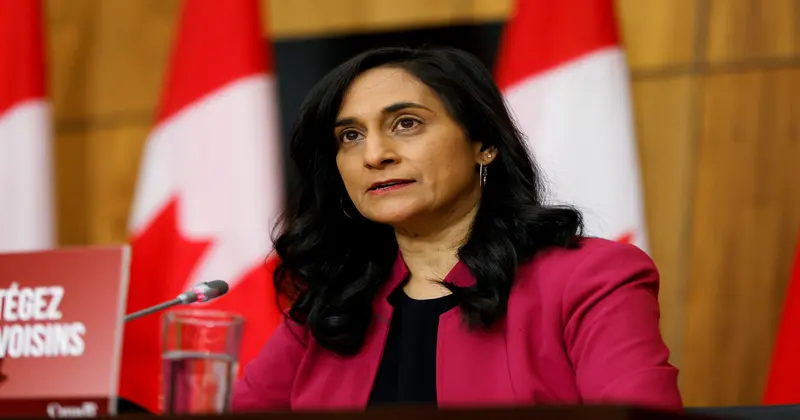
As global tensions rise with shifting U.S. policies, Ottawa’s approach to India and China shows a more flexible and practical Canadian foreign policy. This is a move away from strictly following Washington’s lead and more in line with Canada’s own economic and security needs. The timing and goals of Foreign Minister Anita Anand’s visits to India, Singapore and China in October, 2025 highlight an effort to mend damaged relations, broaden partnerships and manage outside pressures.
Anand’s tour is important for its symbolic reset. Canada’s relationship with India deteriorated sharply since mid-2023, after accusations of Indian involvement in the killing of a Sikh activist in Canada that inturn led to diplomatic expulsions and a breakdown of trust. Under new Prime Minister Mark Carney, Ottawa has started to rebuild these ties: Ambassadors and High Commissioners have returned and dialogues on law enforcement have resumed. Anand’s agenda in India includes talks with External Affairs Minister Jaishankar and Commerce Minister Goyal, meetings with business groups in Mumbai and work on a strategic cooperation framework focused on trade diversity, energy transition and security. This approach places diplomatic efforts first.
At the same time, Canada aims to cooperate where possible and challenge where necessary with China while balancing the rising tensions between the US and China. China is Canada’s second-largest trading partner. However, Ottawa has imposed tariffs on Chinese steel, aluminum and electric vehicles. In retaliation, Beijing has placed duties on Canadian agricultural and seafood exports, particularly canola. The trade conflict with China remains ongoing. By engaging directly with Chinese leaders, including Wang Yi, Canada seeks to restore communication, manage conflicts and explore new areas for economic cooperation, such as energy and climate, while maintaining safeguards on security matters.
This effort is complicated by the US President Donald Trump’s aggressive tariff stance. Washington has urged G7 allies to impose tariffs of up to 100 per cent on China and India regarding their purchases of Russian oil and has already placed high duties on Chinese goods. Trump’s approach risks disrupting supply chains, putting Canada in a tough spot. It needs to remain credible with the U.S. because of its deep economic ties while avoiding being pressured into sacrificing its strategic flexibility. Canadian negotiators are reportedly seeking exceptions in U.S. discussions, particularly regarding steel and aluminum tariffs, by arguing that strengthening North American supply chains is crucial to counteracting China. In short, Canada must show both its Asian partners and Washington that its shift is not a betrayal of alliances but a strategic move to diversify.
If successful, the impact of this outreach could be significant. Restoring relations with India would reopen opportunities in trade, investment and community engagement. India is expected to become the world’s fourth-largest economy in 2025, making it an increasingly attractive market. A more stable relationship with China would ease export challenges, particularly for canola and agriculture products, reduce the risk of retaliation and potentially enable cooperation in climate, energy and manufacturing. Strategically, it would give Ottawa more independence: lowering its reliance on a single superpower’s foreign policy and providing more leverage in international discussions.
However, there are substantial risks. The U.S. may not accept what it sees as a thaw in relations with its geopolitical rivals. If Canada appears too compliant with China or India, it could face escalated pressure or retaliation in trade or security issues. In dealings with China, balancing economic openness and national security safeguards is notoriously challenging; leaks or espionage could lead to backlash. Additionally, China has already executed Canadian citizens on drug trafficking charges and ongoing tensions over Huawei and broader technology competition remain significant.
Another potential danger is miscalculating timing. Canada’s outreach happens alongside improved ties between India and China, which recently agreed to resume direct flights after a five-year halt and enhance trade and exchanges. This development shows that Canada is entering a changing diplomatic landscape that could outpace its influence, potentially sidelining its efforts if India and China strengthen their relationships on their own terms.
In any analysis, it is important to focus on key areas: economic factors like trade, diversification and supply chains; security aspects such as oversight, safeguards and sovereignty; the symbolic diplomatic importance of restoring relations; and the strategic constraints posed by U.S. pressures. Canada must navigate this narrow path: being bold enough to avoid angering its largest trade partner while not being too timid to make its recalibration effective. The success of Anand’s mission will ultimately be judged not by immediate agreements but by whether Canada can sustain an independent shift that leads to gradual gains: rebuilding trust with India, fostering a more stable relationship with China and attaining greater strategic flexibility with Washington.
Therefore, Canada’s outreach to India and China during a period of U.S. assertiveness represents a bold and ambitious shift in foreign policy. If handled carefully, it could position Ottawa as a more independent strategic partner in Asia, capable of leveraging its economic strengths while protecting itself from zero-sum conflicts. However, if misinterpreted or poorly managed, it could worsen existing tensions or provoke harmful reactions from powerful nations. For now, the real test will be in the implementation: whether announced agreements become lasting ones, trust is effectively rebuilt and whether Canada’s new diplomatic approach persists beyond fleeting photo-ops.












Comments