





Fresh corruption scandals have once again put the Congress-led Karnataka government under scrutiny, with multiple cases surfacing in the state’s bureaucracy and police force. From high-ranking officials caught red-handed by the Lokayukta to police inspectors suspended for extortion and dereliction of duty, allegations of deep-rooted corruption have ignited a political storm — especially after the State Contractors’ Association recently accused the government of fostering a “corruption-friendly atmosphere.”
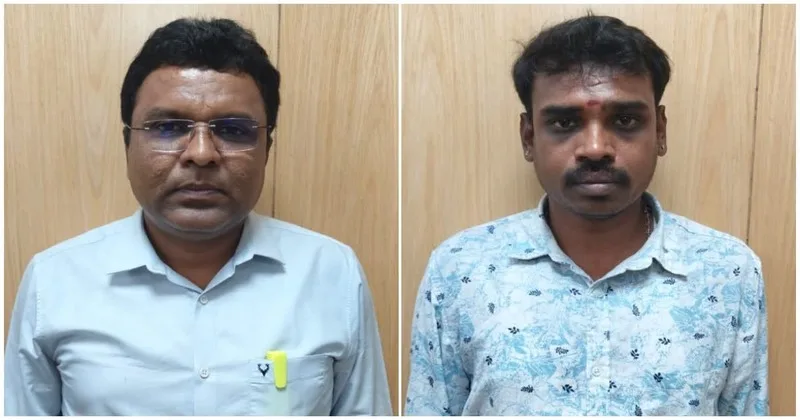
The latest embarrassment for the state administration came when Lokayukta police arrested Jyothi Prakash, a special officer attached to Energy Minister K.J. George, for allegedly accepting a Rs 50,000 bribe to issue a no-objection certificate (NOC) for an electricity connection.
According to Lokayukta sources, Prakash, an executive engineer of KPTCL who was deputed as a special officer to the minister, demanded a Rs 1 lakh bribe from K.M. Anantharaju, a Byadarahalli resident who had sought a power connection for a construction project. When Anantharaju filed a complaint with the Lokayukta, a team led by SP Shivaprakash Devaraju laid a trap and caught Prakash red-handed, recovering the bribe amount. His car driver, Naveen, was also arrested during the operation.
This arrest has further fueled the growing public perception that corruption has worsened since the Congress government assumed power. Members of the Karnataka State Contractors’ Association, who had earlier written to the Prime Minister and Governor alleging “systemic corruption,” reiterated that bribe demands from departments have doubled over the past year. Association president D. Kempanna recently claimed that “even routine clearances are now linked to commissions,” adding that officials demand kickbacks in nearly every department from PWD to energy and urban development.
Meanwhile, the Bengaluru City Police too has been hit by a string of corruption-related suspensions, further embarrassing the government. Police Commissioner Seemanth Kumar Singh recently ordered the suspension of five personnel, including two inspectors, after they were accused of extortion and misconduct.
Inspector Hanumantha Bhajantri of Halsur Gate Police Station and an assistant sub-inspector were among those suspended after CCTV footage revealed that they allegedly attempted to extort Rs 10 lakh from a gold businessman. Similarly, Inspector Luiram Reddy of Koramangala Police Station was suspended for allegedly colluding with bar and pub owners, allowing them to operate beyond permitted hours. The crackdown followed a surprise night patrol by the commissioner, during which several establishments were found open well past the legal deadline.
Political observers note that these incidents come at a time when Chief Minister Siddaramaiah and Deputy CM D.K. Shivakumar is facing mounting criticism for his handling of corruption and transparency issues. Opposition parties, especially the BJP, have accused the government of “institutionalizing corruption” and misusing administrative appointments for personal and political gain.
A senior Lokayukta official, speaking on condition of anonymity, said, “Over the last few months, we have noticed a rise in complaints related to bribe demands across departments. The trend is worrying and points to a culture of impunity”.
The Congress government, however, has denied the allegations. A senior minister argued that “the Lokayukta’s active functioning shows that the government is committed to transparency,” asserting that those caught taking bribes “will face strict punishment regardless of position.”
Nevertheless, public anger continues to rise. Civil society groups and retired bureaucrats have urged the state to strengthen the Lokayukta’s independence and revive vigilance mechanisms weakened over the past decade. With multiple corruption cases erupting within days from the Energy Department scandal to police extortion rackets the Karnataka government faces a mounting credibility crisis. Whether it can clean up its image amid growing demands for accountability remains to be seen.














Comments