





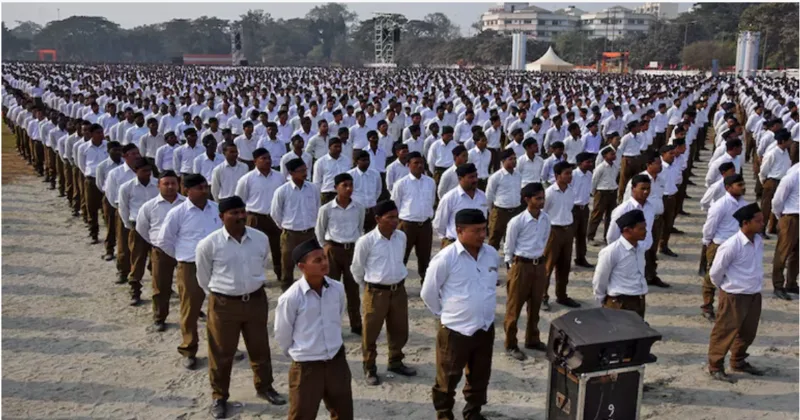
On October 2, 2025, the Rashtriya Swayamsevak Sangh will complete 100 years of its glorious journey. In the last 100 years it has been relentlessly and tirelessly engaged in national service.
Let us know some important facts about the Sangh on its centenary year:
1. Swayamsevak: According to Article 6 of the Sangh’s constitution, any young man aged 18 or above will be a Swayamsevak of the Sangh
2. Bal-Swayamsevak: Those below 18 years of age are called Bal-Swayamsevaks
3. The Sangh has more than 83,000 daily shakhas across the country and over 32,000 weekly milans.
4. Each Shakha runs for one hour daily. It begins with salutation to the Bhagwa Dhwaj and concludes with the Sangh prarthana.
5. Every Swayamsevak is connected with a shakha. The responsibility of running the shakha lies with the Mukhya Shikshak (chief instructor). He maintains details of the Swayamsevaks connected with the shakha. At present, every shakha also has a WhatsApp group.
6. The Sangh’s shakhas abroad are known as Hindu Swayamsevak Sangh, where both men and women participate.
7. Sangh Shiksha Varg: This is a type of training camp where Swayamsevaks are prepared ideologically, physically, and disciplinarily.
In these camps, mobile phones, all forms of intoxication, groupism, and political discussions are strictly prohibited. Throughout the training, Swayamsevaks remain away from family and friends. The Swayamsevaks participating in the camp bring their clothes, utensils, mats, and sheets along with them.
Sangh Shiksha Varg and Nomenclature
1. Prarambhik Varg (3 days)
2. Prathmik Shiksha Varg (7 days)
3. Sangh Shiksha Varg–1 (15 days, Kshetra)
4. Karyakarta Vikas Varg–1 (20 days, Kshetra)
5. Karyakarta Vikas Varg–2 (25 days, Akhil Bharatiya, Nagpur)
8. According to Sangh structure, there are 44 prants and 11 kshetras in Bharat.
9. Ganvesh (Uniform): White shirt, dark brown trousers, black cap, canvas belt, socks, and black shoes.
10. Sangh celebrates 6 festivals at the organisational level:
1. Varsha Pratipada (Hindu New Year)
2. Hindu Samrajya Diwas
3. Guru Purnima
4. Raksha Bandhan
5. Makar Sankranti
6. Vijayadashami











Comments