





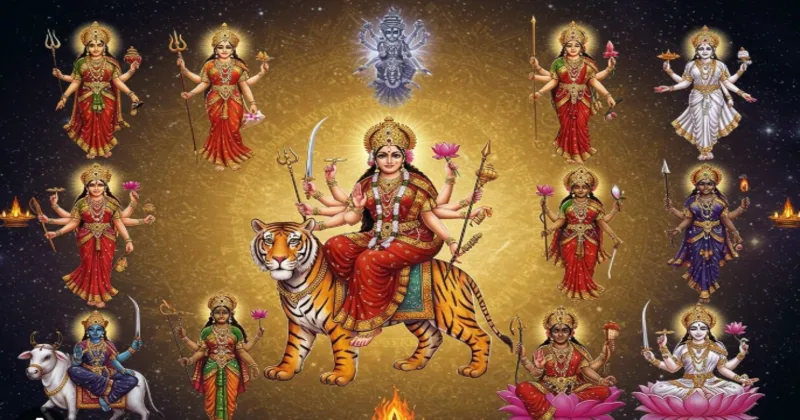
Navratri 2025 is a nine-day celebration dedicated to Devi Ma and her nine divine forms. It is observed with devotion, fasting, prayers, and cultural events across the country. Traditionally it is rooted in spirituality and the worship of divine feminine energy and has retained its essence for centuries. In today’s modern world, however, the festival has also taken on new layers of meaning, adapting itself to contemporary lifestyles while continuing to symbolise the triumph of good over evil. This time, however, it is being celebrated for ten days.
Tradition in a Modern Setting
Navratri has always been more than a religious ritual; it is a celebration of culture, music, dance, and unity. Even with rapid urbanization, changing family structures, and busy work lives, the festival continues to hold strong relevance. People may not observe rituals in exactly the same way as earlier generations, but they still find ways to connect with tradition. In cities, apartment complexes and housing societies arrange collective pujas and cultural activities, bringing communities together and ensuring the rituals remain alive in a new format.
Eco-Friendly Celebrations
One of the striking features of modern-day Navratri is the growing emphasis on eco-consciousness. With increased awareness about environmental concerns, many communities now choose clay idols over plaster of Paris, use natural colors for rangolis, and avoid single-use plastics during festivities. Large gatherings like garba nights in cities have also started incorporating waste management systems and promoting the use of biodegradable materials. This change connects the ancient traditions of worshipping nature with modern efforts to protect the environment.
Fasting as a Form of Wellness
Fasting during Navratri has always been considered a spiritual practice, but in the present day it is also seen as a way to improve health. Many people use the nine days to shift towards simple, plant-based diets that focus on fruits, vegetables, and gluten-free alternatives. Modern food stores and restaurants now offer a wide range of “fast-friendly” options such as buckwheat flour, water chestnut flour, baked snacks, and natural sweeteners. This has transformed the ritual of fasting into a wellness practice, promoting detoxification and mindful eating.
Digital Influence on Rituals
Technology has played a major role in reshaping how Navratri is celebrated. Online pujas, live-streamed aartis, and digital devotional playlists have made it possible for people to take part in rituals from anywhere. Families that are living abroad can join prayers virtually, keeping traditions alive even in distant lands. Mobile apps now provide mantras, puja timings, and step-by-step guides to setting up home altars. Social media also plays an important role, with platforms filled with images of festive attire, recipes, and dance videos, turning Navratri into a global cultural event.
Garba and Dandiya as Cultural Symbols
Garba and dandiya, traditional dance forms associated with Navratri, have transformed into cultural symbols that reach beyond their regional origins. Today, these dances are celebrated across India and in many countries with large Indian communities. College campuses, corporate offices, and cultural centers organize themed dance nights, sometimes blending traditional music with modern beats. The popularity of garba and dandiya has helped make Navratri not only a religious event but also a cultural showcase that unites people across backgrounds.
Work-Life Balance During Festivities
Balancing professional life with festive spirit is an important part of modern Navratri celebrations. Many organisations recognize the importance of cultural inclusivity by allowing flexible work hours, encouraging festive dress codes, or arranging short celebrations in offices. For people living in cities with demanding schedules, this flexibility helps maintain a connection to tradition without compromising on professional responsibilities.
Women and Symbolism of Power
Navratri is dedicated to the worship of Devi Ma, symbolising strength, courage, and protection. In the present context, this symbolism connects closely with conversations around women’s empowerment and gender equality. Many communities and institutions use Navratri as an opportunity to highlight the role of women in society and to spread awareness about issues related to respect, safety, and equal opportunities. The worship of the Goddess serves as a reminder of the power and dignity of women in both family and public life.
Fusion of Devotion and Entertainment
Entertainment has become a major part of modern Navratri celebrations. Along with traditional rituals, people enjoy music events, cultural competitions, and fashion shows centered around festive themes. Television and digital platforms broadcast garba nights, devotional programs, and special festive episodes, reaching audiences nationwide.
Community Bonding
Navratri continues to act as a strong link for community bonding. In urban neighborhoods, apartment complexes organize group prayers, cultural evenings, and potluck dinners, recreating the spirit of traditional village gatherings. In rural areas, temples are the center of devotion, with processions and community feasts keeping traditions alive. For migrants or people who are living away from their families, such gatherings provide emotional support and help create a sense of belonging.
Global Celebrations
Navratri has expanded beyond India’s borders, becoming a global festival. In countries such as the United States, United Kingdom, Canada, and Australia, large-scale garba nights and devotional gatherings are organized by Indian communities. These events often attract not only people of Indian origin but also locals who are drawn to the music, dance, and cultural vibrancy. This global reach has made Navratri an ambassador of Indian culture, spreading its values of joy, unity, and devotion worldwide.
Balancing Past and Present
What makes Navratri special in the modern age is its adaptability. Families may no longer spend every evening in prayer, but they ensure that puja is performed at least once a day. Youngsters who enjoy modern music still make it a point to dress in traditional attire for garba nights. Professionals who cannot keep strict fasts may follow a lighter version, focusing on healthier alternatives. In each case, the balance between tradition and modern life is carefully maintained.
Navratri today is not just a festival of devotion but a celebration that blends spirituality, wellness, community, and culture. It has adapted to modern lifestyles while retaining its core essence. The rituals remind people of their roots, the eco-friendly practices connect faith to sustainability, fasting supports health, and dance brings joy to people across generations. The festival continues to empower women, promote unity, and strengthen cultural identity. In a rapidly changing world, Navratri proves that traditions can remain relevant by evolving with time. It serves as a bridge between heritage and modernity and reminds people that devotion and joy can coexist with progress and innovation.












Comments