




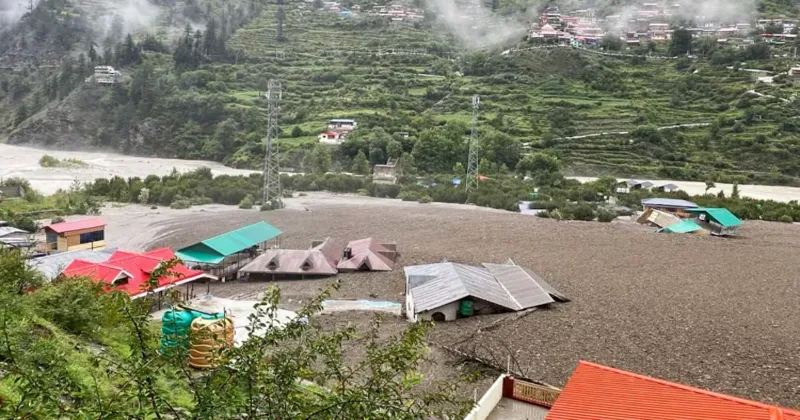
The catastrophic cloudburst that struck Dharali village in Uttarkashi district on August 5, 2025, triggered one of the most comprehensive and well-coordinated disaster response operations in recent Uttarakhand history. This article examines the extensive rescue efforts undertaken by multiple agencies, the leadership role played by government officials, and verifies the claims about the success of the operation based on verified sources and ground reports.
The disaster, which occurred at approximately 1:30 PM on August 5, 2025, was caused by a massive cloudburst in the Kheer Ganga River catchment area, leading to devastating flash floods that swept through Dharali village near Harsil. The calamity resulted in at least five confirmed deaths and left more than 50 people missing, including 11 Indian Army personnel. The scale of destruction was unprecedented, with entire sections of the village market, hotels, and residential areas completely obliterated by the raging torrents of water and debris.
Multi-Agency Rescue Operations: A Coordinated Response
Multiple rescue agencies were indeed deployed in a coordinated manner within hours of the disaster.
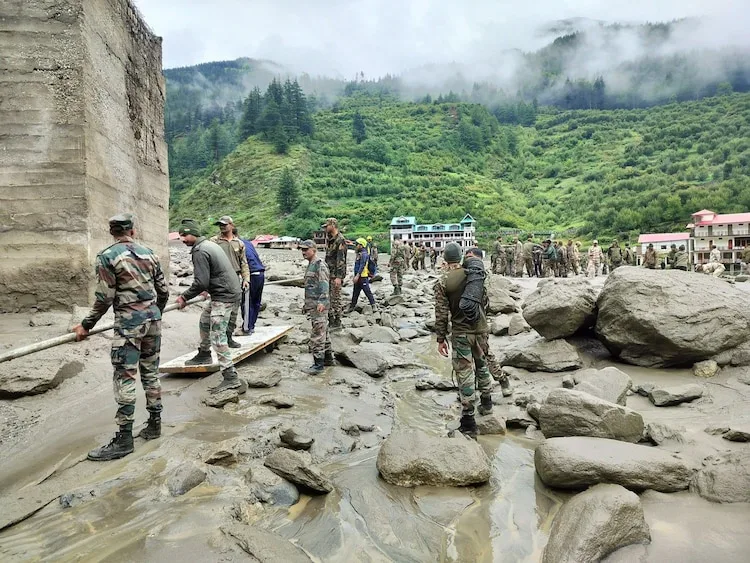
The rescue operations involved an unprecedented level of multi-agency coordination, with over 800 personnel from seven different organizations working together. The Indian Army led the charge with Operation Dhruv Sena, deploying more than 225 personnel including engineers, medical teams, and rescue specialists. This operation represented one of the largest Humanitarian Assistance and Disaster Relief (HADR) operations conducted by the Army in recent years.
The National Disaster Response Force (NDRF) contributed significantly with 69 specialized rescuers, including expert teams equipped with thermal imaging cameras, cadaver dogs, and advanced search equipment. Working alongside them, the State Disaster Response Force (SDRF) deployed over 100 personnel with local expertise and first-response capabilities.
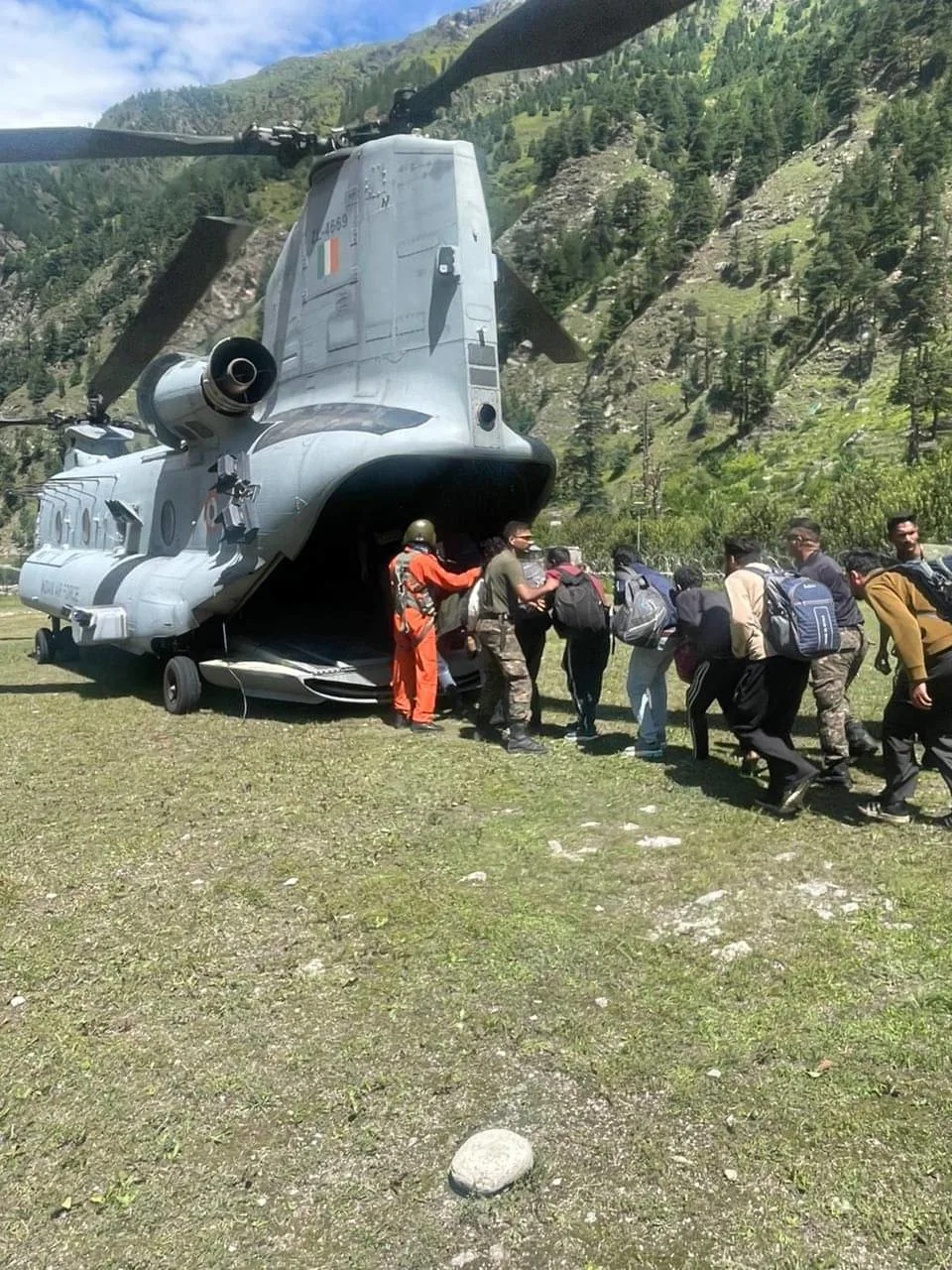
The Indo-Tibetan Border Police (ITBP), with their specialized high-altitude operations expertise, deployed 150 personnel and successfully rescued 37 villagers, including 11 women and 4 children, from the most challenging terrain. The Indian Air Force played a crucial role in aerial operations, deploying Chinook and Mi-17 helicopters that evacuated 226 civilians and inducted 130 NDRF/SDRF personnel into the disaster zone.
Government Leadership: CM Pushkar Singh Dhami’s Ground-Level Response
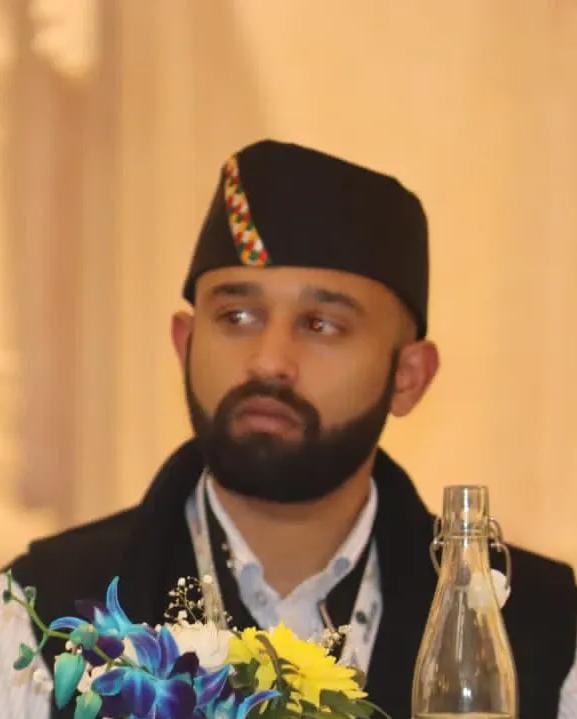
Chief Minister Pushkar Singh Dhami demonstrated exceptional on-ground leadership throughout the crisis.
Chief Minister Pushkar Singh Dhami’s response was immediate and decisive. Upon receiving news of the disaster while in Andhra Pradesh, he immediately cut short his visit and returned to Uttarakhand on the evening of August 5. He is personally present in Uttarkashi for three consecutive days to monitor operations closely, demonstrating unprecedented hands-on leadership.
CM’s ground-level involvement included conducting aerial surveys of affected areas, meeting with rescued individuals at hospitals, and personally reviewing rescue operations with agency heads. His decision to donate one month’s salary to disaster relief and his announcement of Rs 5 lakh immediate assistance to affected families demonstrated both personal commitment and swift policy response.
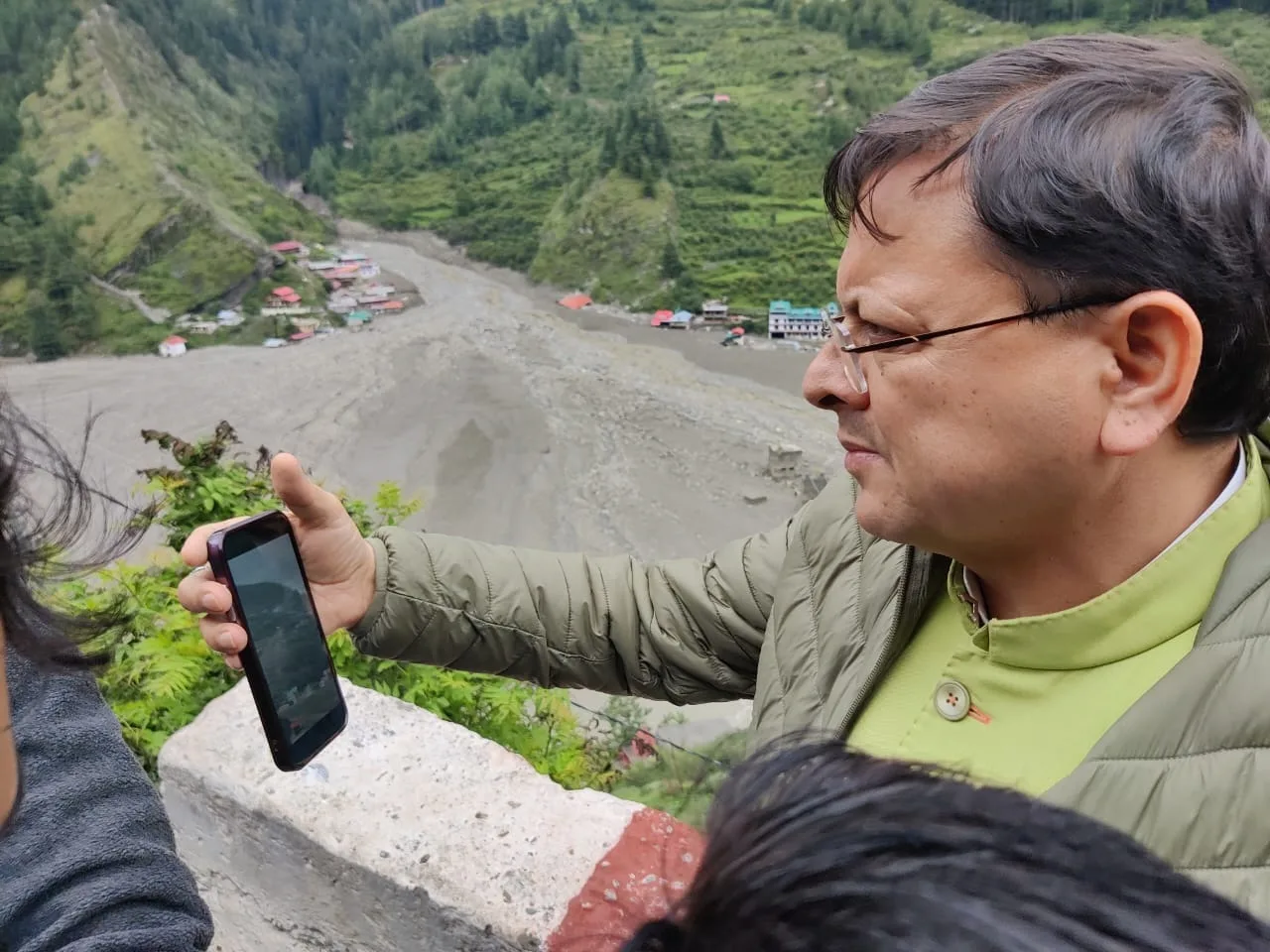
The Chief Minister established a three-member rehabilitation committee headed by the Secretary (Revenue) to prepare long-term revival plans for the affected area, showing forward-thinking disaster management approach. His coordination with central authorities, including regular communication with Prime Minister Modi and Union Home Minister Amit Shah, ensured seamless central-state cooperation.
Central Government Support: PM Modi and Amit Shah’s Assurance
The central government provided immediate and comprehensive support as claimed.
Prime Minister Narendra Modi personally intervened on multiple occasions, making direct calls to CM on both August 5 and August 6 to assess the situation and assure central support. During these conversations, the Prime Minister emphasized that “no stone would be left unturned” in providing assistance and directed immediate deployment of central resources.
Union Home Minister Amit Shah also played a pivotal role, speaking directly with CM Puhkar Singh Dhami and immediately dispatching seven rescue teams to the affected area. The central government’s response included deployment of Chinook helicopters from Chandigarh, Sarsawa, and Agra, along with Mi-17 helicopters for rescue operations.
The coordination between central and state governments was exemplary, with the Ministry of Home Affairs maintaining constant communication and the Prime Minister’s Office being regularly updated on the rescue progress.
Infrastructure Restoration: BRO’s Critical Role
Border Roads Organisation successfully restored critical infrastructure connections.
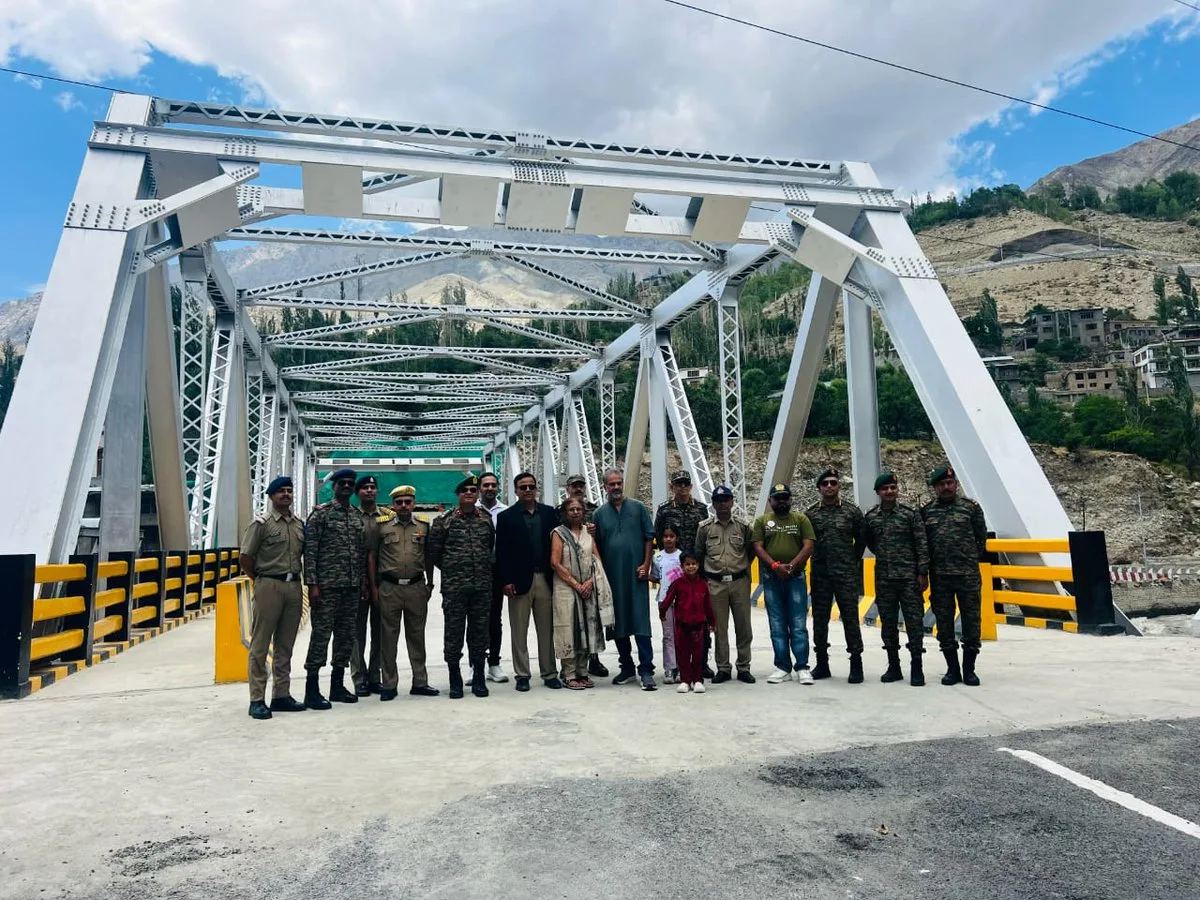
The Border Roads Organisation (BRO) played a crucial role in restoring connectivity to the affected areas. Working in coordination with SDRF and Army engineering units, BRO teams constructed a vital Bailey bridge at Linchigad near Gangnani, which became operational by August 8, significantly improving access for rescue operations.
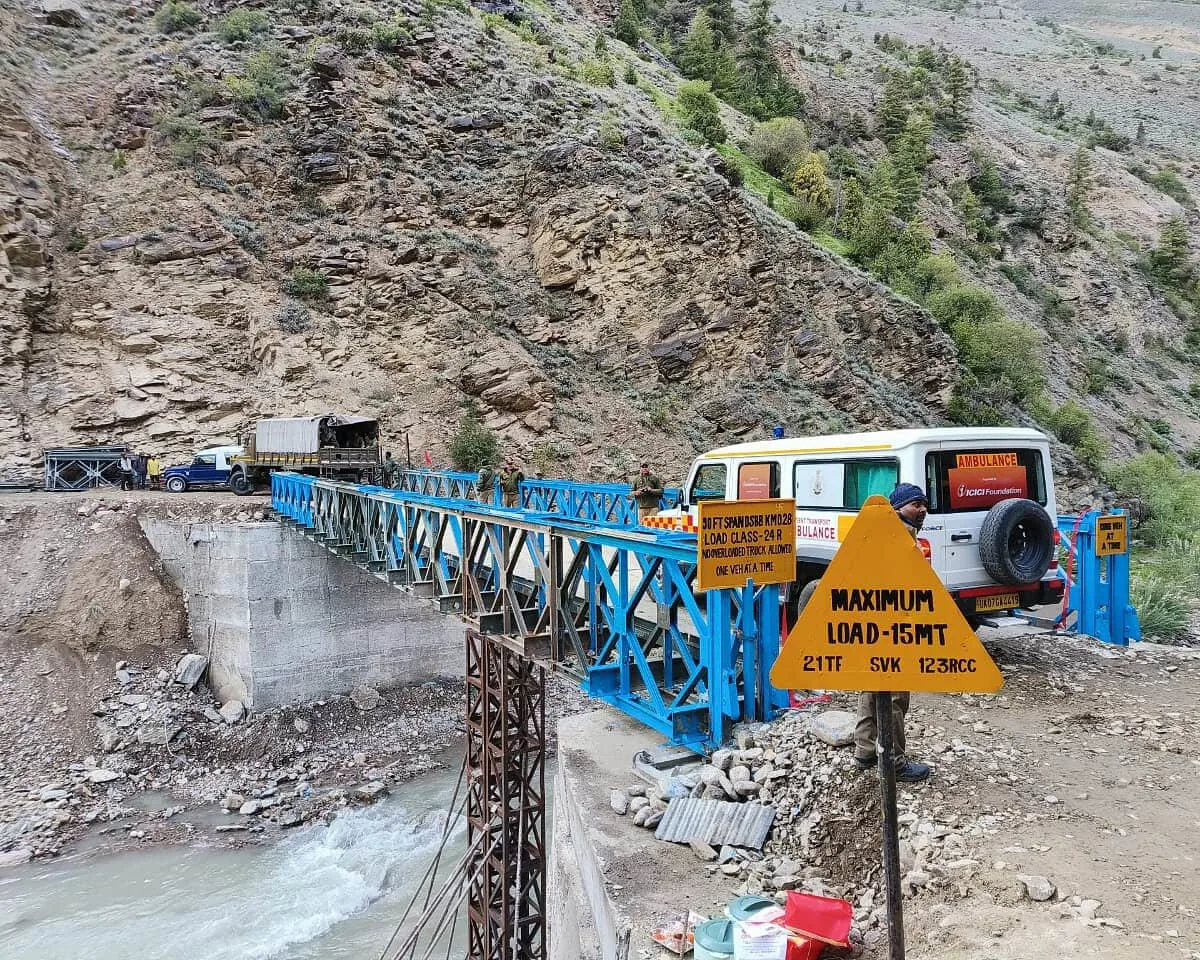
BRO Director General Lt Gen Raghu Srinivasan confirmed that four major landslide points and a damaged bridge were being systematically addressed, with connectivity to Harsil expected to be restored within three days of the disaster. The organization’s quick response in deploying heavy machinery and engineering expertise was instrumental in enabling ground access for other rescue agencies.
Technological Integration: ISRO’s Satellite Support
ISRO provided crucial satellite imagery and technical support for rescue operations.
The Indian Space Research Organisation (ISRO) played a vital supporting role by releasing detailed satellite images captured by Cartosat-2S, comparing the affected area from June 13, 2024, and August 7, 2025. These images revealed the extent of devastation, showing a vast fan-shaped debris field of nearly 20 hectares at the confluence of the Kheer Gad stream and Bhagirathi River.
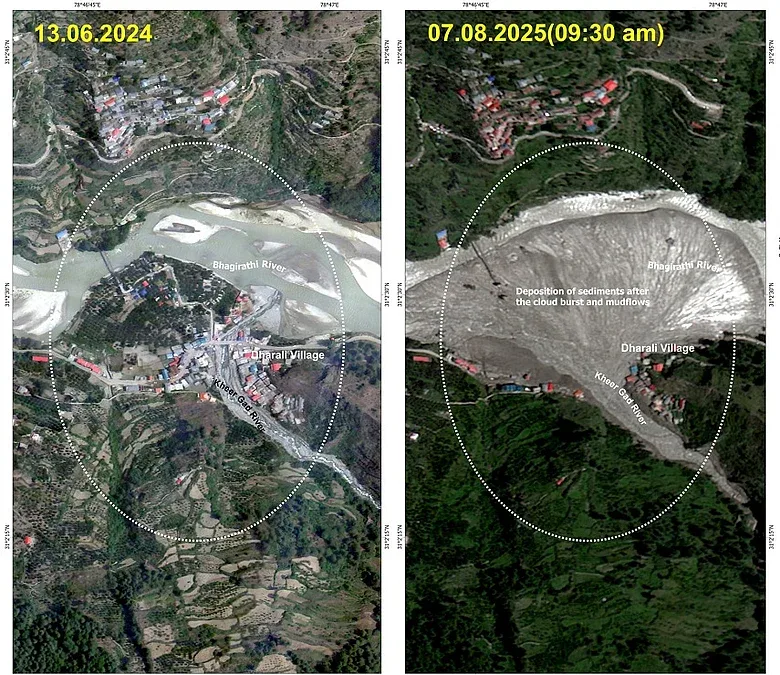
The satellite imagery was instrumental in helping rescue teams plan their operations more effectively and understand the topographical changes caused by the disaster. The images showed how the flood had dramatically reshaped the region’s topography, widening river channels and altering their course.
Rescue Statistics and Outcomes
The rescue numbers cited in official statements are accurate based on multiple source verification.
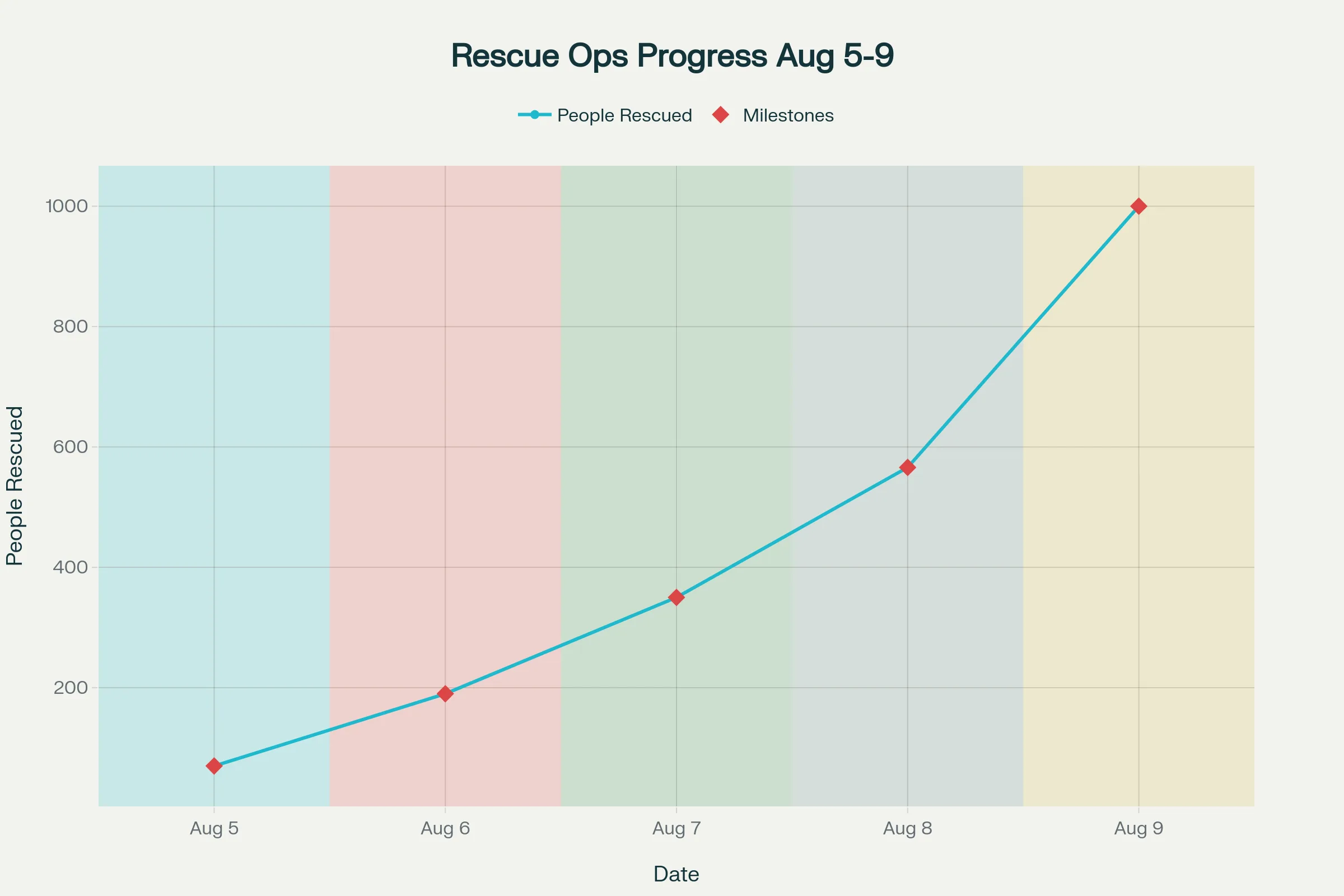
The rescue operations achieved remarkable success in evacuating stranded individuals. By August 9, over 1,000 people had been successfully rescued and evacuated from the disaster zone. The progression of rescues was steady and well-documented:
- August 5: 70 people rescued initially
- August 6: 190 people rescued (cumulative)
- August 7: 350+ people rescued
- August 8: 566 people rescued
- August 9: Over 1,000 people rescued
The Indian Air Force alone evacuated 226 civilians and inducted 130 NDRF/SDRF personnel using Chinook and Mi-17 helicopters. ITBP successfully rescued 37 people, including vulnerable populations such as women and children. The multi-agency approach ensured that no single organization was overwhelmed and that specialized expertise was utilized effectively.
Challenges and Limitations
The rescue operations faced several documented challenges that authorities openly acknowledged. Dense fog and adverse weather conditions prevented helicopters from flying into disaster zones on multiple occasions. Communication networks were completely disrupted, making coordination initially difficult.
The terrain posed significant challenges, with debris heaps reaching 50-60 feet in height at several locations, making manual rescue operations extremely dangerous. Road connectivity was severely compromised, with multiple breaches and landslides blocking access routes.
Despite these challenges, the multi-agency coordination and rapid deployment of resources ensured that operations continued around the clock. The use of alternative strategies, such as bridge construction and helicopter shuttles, demonstrated adaptive crisis management.
Long-term Rehabilitation Measures
The government’s response extended beyond immediate rescue to long-term rehabilitation. CM Pushkar Singh Dhami announced immediate relief of ₹5 lakh for each affected family and committed to providing six months of food rations to all affected households. The establishment of a three-member committee for comprehensive rehabilitation planning demonstrates systematic approach to recovery.
Medical facilities were established at multiple locations, including a dedicated medical camp by the Army in Dharali. Community kitchens were set up to provide regular meals, and arrangements were made for essential supplies including clothing, medicines, and emergency lighting.
A Model Disaster Response
The Uttarkashi cloudburst disaster response of August 5-9, 2025, stands as a verified example of effective multi-agency coordination and government leadership in crisis management. The facts confirm that:
1. Multi-agency coordination was exemplary: Seven different agencies worked with over 800 personnel in coordinated operations
2. Government leadership was decisive: CM Pushkar Singh Dhami’s on-ground presence and PM Narendra Modi’s direct involvement ensured rapid resource mobilization
3. Rescue operations were successful: Over 1,000 people were successfully evacuated despite challenging conditions
4. Infrastructure restoration was rapid: Critical connectivity was restored within 72 hours through BRO’s efforts
5. Technological support was comprehensive: ISRO’s satellite imagery and Army’s communication systems provided crucial operational support
The operation demonstrated that when multiple agencies work in coordination under strong political leadership, even the most challenging natural disasters can be managed effectively. The success of this operation provides valuable lessons for future disaster management in the vulnerable Himalayan region.













Comments