





Bhubaneswar: The Odisha Government and SJTA have decisively ruled out the online sale or delivery of Bhagwan Jagannath’s Mahaprasad, emphasizing the importance of its sanctity and authenticity.
Law Minister Prithviraj Harichandan addressed the media on August 11, stating that both the state government and SJTA have unanimously rejected recent proposals from various organisations seeking to facilitate the online delivery of Mahaprasad and Sukhila Bhoga (dry offerings) to devotees within India and abroad.
“The sanctity of Mahaprabhu Jagannath’s Mahaprasad is unique and cannot be equated with offerings from other temples,” Harichandan stated. “There are concerns about maintaining its purity if distributed online. Sacred offerings should not be treated like hotel food. Devotees should come to Puri, have darshan, and receive Mahaprasad directly in keeping with tradition.”
The minister also announced that a revised rate chart for Mahaprasad will soon be displayed at Anand Bazar within the Srimandir premises. Separate counters for Sukhili Bhog and Mahaprasad will be established to ensure orderly distribution. Only Omfed ghee will be allowed in bhog preparation, and action will be taken against servitors who violate this rule.
Illegal Online Sales Raise Alarm
This announcement comes amidst increasing outrage over the alleged illegal online sale of Mahaprasad. Several websites have been found promoting the sacred offering under the name of Puri Jagannath Temple, using images of the shrine to attract customers.
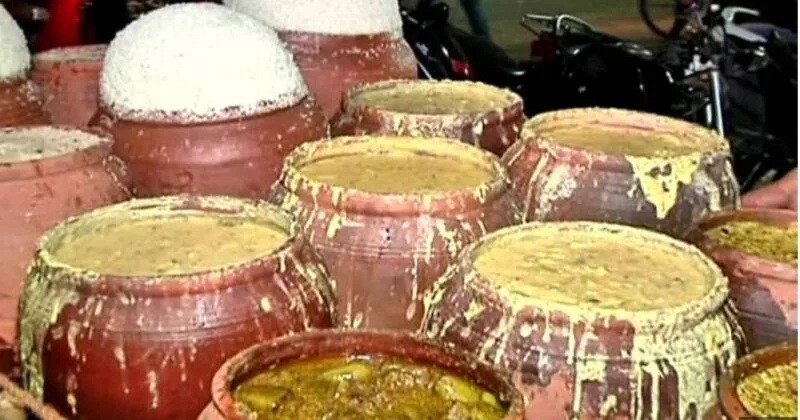
Reports indicate that offerings, including Anna (rice), Dali (dal), Kanika (sweet rice), Khechudi (spiced rice), and others, are being sold in packages priced between Rs 700 and Rs 1,000. Sukhili Bhog is also being marketed, despite the absence of any official mechanism for online sales.
A viral photo on social media recently displayed a list of Mahaprasad items available for delivery on specified days Mondays, Thursdays, and Saturdays with a no-cancellation policy. Deliveries were promised until 10:30 PM, with possible delays due to rituals or transport issues.
These revelations had raised concerns about the authenticity of the Mahaprasad being delivered, with speculation that some individuals may be operating covertly to facilitate this trade.
The controversy had reignited demands for strict legal measures to protect the sanctity of Srimandir offerings and related terminology. Despite previous announcements regarding the patenting of the temple’s name and associated terms, no concrete action has been taken against their unauthorized commercial use.
Temple servitors (sevayats) had urged the administration to take decisive action against such violations to preserve the religious and cultural integrity of the 12th-century shrine.















Comments