





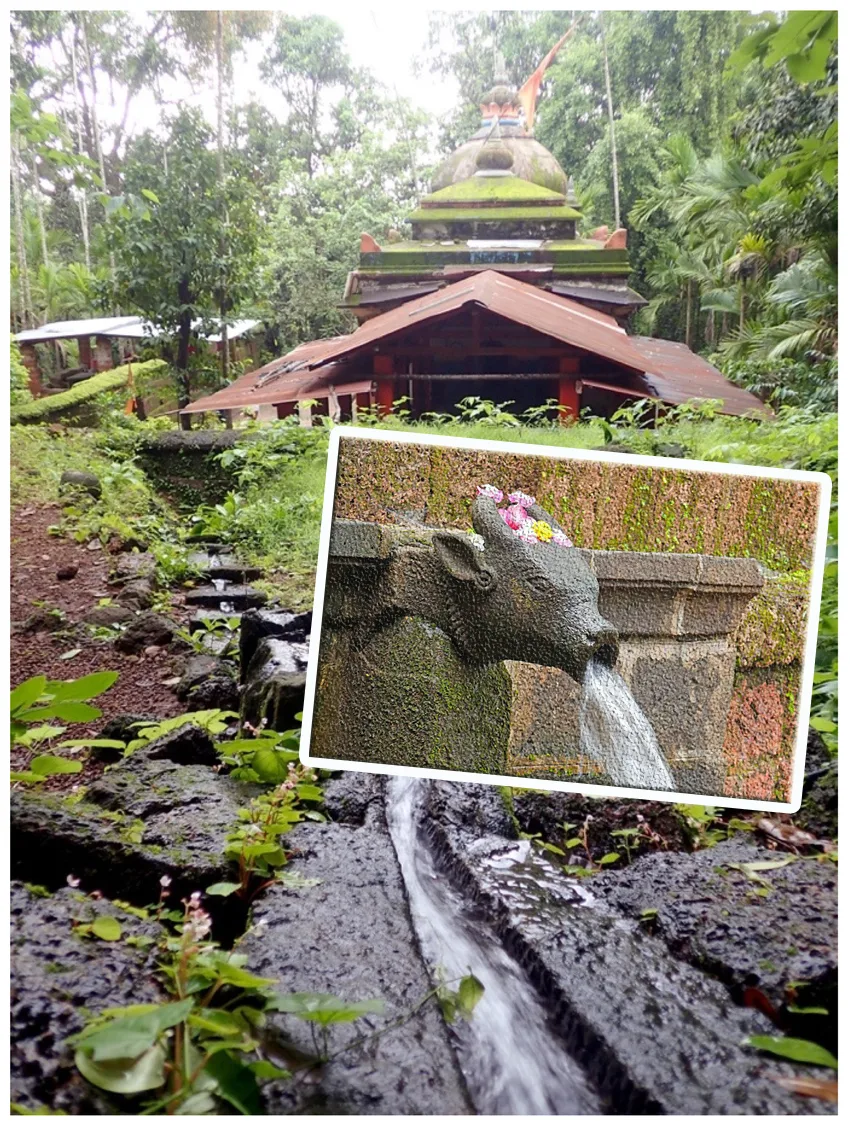
In the heart of Bharat’s Western Ghats, an ancient tradition offers profound insights into sustainable temple architecture: the Devrai. Derived from “Dev” (God) and “Rai” (Forest), Devrai are sacred groves – patches of forest preserved in the name of a deity. These groves are protected by religious and cultural taboos and are often considered the abode of local Gods, spirits or ancestors.
The core belief surrounding Devrai is that these groves are inhabited by divine spirits, and any harm – be it cutting trees, hunting animals, or even plucking leaves – is offensive and believed to invite the wrath of the deity. This inherent reverence for nature sets Devrai temples apart from conventional temples that often demand extensive development and infrastructure. Devrai discourages construction, emphasising minimal human interference and a harmonious blend of spirituality and environmental stewardship.
Keshavraj Mandir in Dapoli, Konkan, stands as a magnificent example of this sustainable philosophy. This temple truly showcases nature’s beauty.
Reaching the temple is a journey in itself, flanked by dense coconut and palm groves that have existed for hundreds of years. The temple’s architecture, dating back to the Peshwa period, seamlessly integrates with its natural surroundings. Inside, the beautiful idol of
Bhagwan Vishnu, standing in the dim light of lanterns, immediately captures attention.
Facing southwards, the temple exudes a profoundly peaceful atmosphere. With Bhagwan Ganpati to its left and surrounded by stone pavements on all four sides, it is famously known as the Keshavraj Devrai Mandir. This site is a testament to how spirituality can coexist with and even enhance environmental preservation. Keshavraj Mandir is more than just a place of worship; it’s a living, breathing example of how traditional wisdom can guide us toward a more sustainable future.

















Comments