





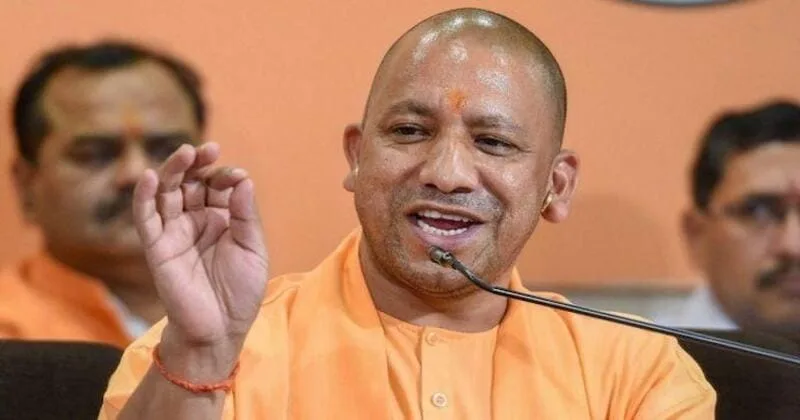
Uttar Pradesh Chief Minister Yogi Adityanath instructed officials to roll out two new pilgrimage support schemes: the Buddhist Tirth Darshan Yojana and the Panch Takht Yatra Yojana. These initiatives aim to make spiritual travel easier for Buddhist and Sikh devotees, according to an official statement from the state government. Both schemes are designed to provide Rs 10,000 per person as financial support, making it easier for devotees to embark on spiritual journeys to important religious sites across the country. At a high-level meeting on July 4, Chief Minister Yogi Adityanath stressed that pilgrimage holds a special place in Indian culture, as it brings spiritual growth and encourages social harmony. He said that it is the state’s responsibility to ensure that people from all walks of life, especially the economically weaker sections, have the opportunity to visit places connected with their faith.
‘Bauddh Teerth Darshan Yojana’ – For Buddhist Pilgrims
As per this scheme, Hindu/Buddhist residents of Uttar Pradesh will fulfil their dream of visiting renowned Buddhist pilgrimage sites across India. The pilgrimage may cover holy sites such as Lumbini, Bodh Gaya, Sarnath, Kushinagar, and other spiritually significant places linked to the life and teachings of Lord Buddha. To make the scheme more meaningful, Buddhist monks (Bhikkhus) will be given priority. This will help them undertake their pilgrimage respectfully and strengthen their bond with their religious heritage.
‘Panch Takht Yatra Yojana’ – For Sikh Devotees
Under this scheme, Sikh devotees residing in Uttar Pradesh will receive financial support to undertake a pilgrimage to the five revered Takht Sahibs, which are considered the highest seats of authority in Sikhism. The five revered Takht Sahibs include Sri Akal Takht Sahib located in Amritsar, Takht Sri Keshgarh Sahib in Anandpur Sahib, and Takht Sri Damdama Sahib in Talwandi Sabo, all situated in Punjab. The remaining two are Takht Sri Patna Sahib in Bihar and Takht Sri Hazur Sahib in Nanded, Maharashtra. These places hold immense religious significance in Sikh tradition, and visiting them is seen as a major spiritual milestone in the life of a devotee.
Assistance Per Person
As per the plan, every selected beneficiary under both schemes will receive a minimum financial aid of Rs 10,000. This will help cover major travel expenses and ensure that economic constraints do not become a barrier to devotion.
CM Yogi has also emphasised that the application process should be completely online, transparent, and streamlined. Economically weaker sections will be given special preference, so they too can benefit from this opportunity.
To ensure smooth and efficient execution, the Indian Railway Catering and Tourism Corporation (IRCTC) will act as the primary implementation partner. With its expertise in handling religious tours and travel logistics, IRCTC will play a crucial role in offering pilgrims a safe, comfortable, and well-organised travel experience.
Chief Minister Yogi Adityanath has emphasised that both schemes should be implemented with utmost focus on the safety, dignity, and religious sentiments of the devotees. These efforts go beyond just facilitating travel; they represent a deeper commitment to the vision of “Sabka Saath, Sabka Vikas” (Together with All, Development for All). By helping people reconnect with their spiritual heritage, these schemes aim to promote communal harmony, encourage religious tourism, and strengthen the spirit of “Ek Bharat, Shreshtha Bharat” (One India, Great India). They also align with the government’s broader objective of inclusive and culturally rooted development.
The Bauddh Teerth Darshan Yojana and the Panch Takht Yatra Yojana are positive and inclusive steps by the Uttar Pradesh government. These schemes aim to support the spiritual journey of thousands of devotees and promote unity in society. They also help highlight Uttar Pradesh as a state known for faith, harmony, and rich cultural tourism.
By making these religious trips easy and affordable, the Yogi government is showing how faith-based support can be combined with smart and people-friendly planning.













Comments