Rakhine Corridor: Power struggle between the great powers in the Indo-Pacific region
June 20, 2026
  • Read Ecopy
  • Circulation
  • Advertise
  • Careers
  • About Us
  • Contact Us
Android AppiPhone AppArattai
Organiser
  • ‌
  • Bharat
    • Assam
    • Bihar
    • Chhattisgarh
    • Jharkhand
    • Maharashtra
    • View All States
  • World
    • Asia
    • Europe
    • North America
    • South America
    • Africa
    • Australia
  • Editorial
  • International
  • Opinion
  • RSS @ 100
  • More
    • Op Sindoor
    • Analysis
    • Sports
    • Defence
    • Politics
    • Business
    • Economy
    • Culture
    • Special Report
    • Sci & Tech
    • Entertainment
    • G20
    • Azadi Ka Amrit Mahotsav
    • Vocal4Local
    • Web Stories
    • Education
    • Employment
    • Books
    • Interviews
    • Travel
    • Law
    • Health
    • Obituary
  • Subscribe
    • Subscribe Print Edition
    • Subscribe Ecopy
    • Read Ecopy
  • ‌
  • Bharat
    • Assam
    • Bihar
    • Chhattisgarh
    • Jharkhand
    • Maharashtra
    • View All States
  • World
    • Asia
    • Europe
    • North America
    • South America
    • Africa
    • Australia
  • Editorial
  • International
  • Opinion
  • RSS @ 100
  • More
    • Op Sindoor
    • Analysis
    • Sports
    • Defence
    • Politics
    • Business
    • Economy
    • Culture
    • Special Report
    • Sci & Tech
    • Entertainment
    • G20
    • Azadi Ka Amrit Mahotsav
    • Vocal4Local
    • Web Stories
    • Education
    • Employment
    • Books
    • Interviews
    • Travel
    • Law
    • Health
    • Obituary
  • Subscribe
    • Subscribe Print Edition
    • Subscribe Ecopy
    • Read Ecopy
Organiser
  • Home
  • Bharat
  • World
  • Operation Sindoor
  • Editorial
  • Analysis
  • Opinion
  • Culture
  • Defence
  • International Edition
  • RSS @ 100
  • Magazine
  • Read Ecopy
Home Bharat

Rakhine Corridor: Power struggle between the great powers in the Indo-Pacific region

The proposed Rakhine Corridor has ignited geopolitical tensions involving China, the US, India, and Bangladesh, each vying to protect strategic interests amid Myanmar's instability. Internal rifts in Bangladesh and rising regional stakes underscore the urgent need for multilateral diplomacy and regional cooperation

Vedika ZnwarVedika Znwar
May 29, 2025, 09:00 pm IST
in Bharat, World
Follow on Google News
Representative Image

Representative Image

FacebookTwitterWhatsAppTelegramEmail

The unfolding crisis in Myanmar’s Rakhine State has emerged as a focal point of geopolitical contention, drawing the strategic interests of China, the United States, and India into a complex interplay. At the heart of this turmoil lies the proposed Rakhine Corridor, a development that has significant implications for regional stability and power dynamics.

Recently, A political and military deadlock has begun in Bangladesh over the proposed Rakhine Corridor. Interim government chief advisor Mohammad Yunus has supported the US-backed corridor. At the same time, Bangladesh Army Chief General Walker-uz-Zaman has strongly opposed it. This incident made public the gap between the army and the government.

China’s Strategic Imperatives

China’s vested interests in Rakhine are deeply rooted in its ambitious Belt and Road Initiative (BRI), particularly the China-Myanmar Economic Corridor (CMEC). This corridor, encompassing the Kyaukphyu deep-sea port and oil and gas pipelines, offers Beijing a critical maritime outlet to the Indian Ocean, effectively circumventing the strategic vulnerability of the Malacca Strait. The recent territorial gains by the Arakan Army (AA), which now controls a significant portion of Rakhine, pose a direct threat to these Chinese investments. In response, Beijing has actively engaged with various ethnic armed organizations, including brokering ceasefires to safeguard its infrastructural projects and maintain regional influence.

The United States’ Strategic Calculus

The United States perceives the instability in Rakhine as an opportunity to counterbalance China’s expanding footprint in Southeast Asia. Reports suggest that Washington is exploring the establishment of a humanitarian corridor through Bangladesh into Myanmar, ostensibly to provide aid but also potentially to support anti-junta forces. Such a move would not only challenge China’s dominance in the region but also align with U.S. interests in promoting democratic governance and human rights. However, this strategy risks escalating tensions and drawing the U.S. deeper into the complexities of Myanmar’s internal conflicts.

India’s Strategic Dilemma

India finds itself navigating a delicate balance amid the escalating US-China rivalry in its neighbourhood. The stability of Rakhine is crucial for India’s own strategic projects, notably the Kaladan Multi-Modal Transit Transport Project, which aims to enhance connectivity between India’s northeastern states and the Bay of Bengal. The ascendancy of the AA and the potential for increased Chinese or American influence in Rakhine could jeopardize these initiatives. Moreover, India’s concerns are compounded by the possibility of insurgent groups in Myanmar forging ties with separatist movements in India’s northeast, thereby exacerbating security challenges.

Bangladesh’s Internal Turmoil and Strategic Positioning

Bangladesh, sharing a border with Rakhine and hosting a substantial Rohingya refugee population, is directly impacted by the region’s instability. The proposal of the Rakhine Corridor has sparked internal discord, notably between the interim government led by Muhammad Yunus and the military establishment. While some factions view the corridor to address humanitarian concerns and assert regional influence, others fear it could entangle Bangladesh in broader geopolitical conflicts. This internal division reflects the broader challenges Bangladesh faces in balancing relations with both China and the United States.

Regional Implications and the Path Forward

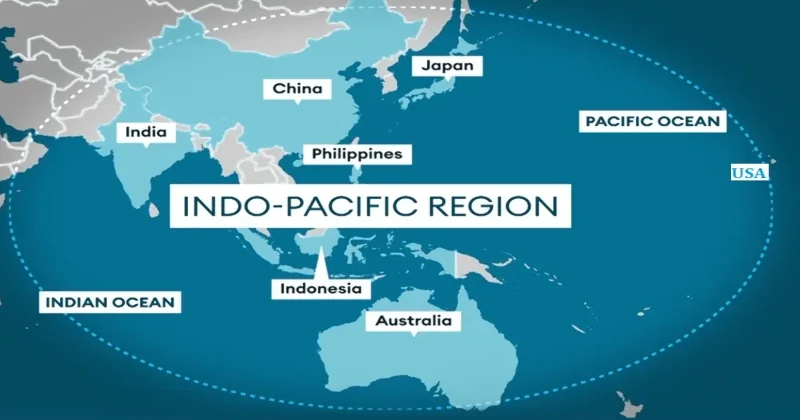
The contest over the Rakhine Corridor underscores the broader strategic competition in the Indo-Pacific region. For China, securing its infrastructural investments and maintaining a strategic foothold in the Indian Ocean are paramount. The United States seeks to counter China’s influence and promote democratic values, while India aims to protect its regional interests and prevent the spillover of instability. Bangladesh, caught in the crosscurrents, must navigate its own domestic challenges while managing external pressures.

In this complex landscape, multilateral engagement and dialogue are essential. Regional stakeholders must prioritize diplomatic solutions that address humanitarian concerns, respect national sovereignties, and promote stability. Collaborative efforts, possibly under the auspices of ASEAN or the United Nations, could facilitate a coordinated response to the crisis in Rakhine, mitigating the risks of further escalation and fostering a more stable regional order.

Therefore, a sustainable resolution requires multilateral engagement and a commitment to regional stability. Stakeholders must prioritise dialogue, respect for sovereignty, and the well-being of affected populations. Collaborative efforts to address humanitarian concerns, support inclusive governance in Myanmar, and ensure the security of strategic projects can pave the way for a more stable and prosperous region.

In conclusion, the Rakhine Corridor serves as a microcosm of the intricate geopolitical dynamics in South and Southeast Asia. Navigating this complex landscape necessitates nuanced diplomacy, strategic foresight, and a commitment to regional cooperation.


Topics: ASEANBangladesh ArmyMohammad YunusRakhine CorridorCMECUS-China rivalry
ShareTweetSendShareSend
✮ Subscribe Organiser YouTube Channel. ✮
✮ Join Organiser's WhatsApp channel for Nationalist views beyond the news. ✮
Previous News

Jora Shiva mandir in Bangladesh needs restoration

Next News

Odisha: Hardcore Maoist apprehended by police in Koraput, AK-47, ammunition seized

Related News

Flags of India and Singapore

India and Singapore condemn Pahalgam attack, Red Fort blast; Reaffirm zero tolerance against terrorism at JWG meet

Cambodia's Energy Minister Keo Rottanak highlights India's role in fostering regional energy security

‘We Need India’: Cambodia Seeks Partnership with India for Energy Infrastructure Financing & Technology Transfer

Prime Minister Narendra Modi speaking at the India-ASEAN Summit(File Photo)

India-ASEAN agree to strengthen comprehensive strategic partnership; Aims to promote sustainable tourism in the region

Prime Minister of Malaysia Anwar Ibrahim and Prime Minister Narendra Modi

Prime Minister Modi to visit Malaysia: Strong partnership across defence and trade sectors on the bilateral agenda

slain Inqilab Moncho Convenor Sharif Osman bin Hadi has held the Mohammad Yunus led interim government responsible for the murder

Bangladesh: Osman Hadi’s family says “Interim govt can’t avoid responsibility for murder”

Prime Minister Narendra Modi and the US President Donald Trump

Trump administration elevates India as key partner in new US National Security Strategy

Load More

Latest News

Aligarh police arrest Anwar Hussain, brother of Samajwadi Party leader in beef smuggling case

Beef Smuggling Case in Uttar Pradesh: Samajwadi Party leader Sarwar Hussain’s brother Anwar arrested in Aligarh

Japan Prime Minister Sanae Takaichi and Prime Minister Narendra Modi

Assam at the Epicentre of India’s Foreign Policy: Japan PM Sanae Takaichi to visit for the Indo-Japan summit

Tamil Nadu: TVK govt scraps Rs246 Cr commercial projects on temple lands approved under DMK, move welcomed with caution

Revisiting the historic June 20 vote that led to the creation of West Bengal within India

Paschimbanga Divas 2026: The untold story of how West Bengal was created from undivided Bengal in 1947

Andhra Explosives Case: NIA chargesheets Mohammed Ali; Bomb expert accused in LK Advani attack plot, hid for 20 years

Tarabai Bhonsale

Tarabai Bhonsale: The fearless Maratha queen who defied Aurangzeb and preserved swarajya against all odds

UK retailers demand tougher curbs on Chinese online giants amid deepening EU–Beijing trade rift

Bangladesh Hindus protest against Bhagwan Ram photo desecration; Chant Jai Sri Ram against radical islamist atrocities

Ahead of the NEET UG 2026 Re-Test on June 21, the NTA has issued key guidelines on reporting time, documents & security checks

NEET UG Re-Exam on June 21: NTA issues key guidelines on reporting time, documents and security checks

PoJK witnesses expanding protest movement amid calls for rights, development & political accountability

State-Sponsored Terror in PoJK: How Islamabad uses brutal military force to crush the citizens’ rightful revolt

Load More
  • Privacy
  • Terms
  • Cookie Policy
  • Refund and Cancellation
  • Delivery and Shipping

© Bharat Prakashan (Delhi) Limited.
Tech-enabled by Ananthapuri Technologies

  • Home
  • Search Organiser
  • Bharat
    • Assam
    • Bihar
    • Chhattisgarh
    • Jharkhand
    • Maharashtra
    • View All States
  • World
    • Asia
    • Africa
    • North America
    • South America
    • Europe
    • Australia
  • Editorial
  • Operation Sindoor
  • Opinion
  • Analysis
  • Defence
  • Culture
  • Sports
  • Business
  • RSS @ 100
  • Entertainment
  • More ..
    • Sci & Tech
    • Vocal4Local
    • Special Report
    • Education
    • Employment
    • Books
    • Interviews
    • Travel
    • Health
    • Politics
    • Law
    • Economy
    • Obituary
  • Subscribe Magazine
  • Read Ecopy
  • Advertise
  • Circulation
  • Careers
  • About Us
  • Contact Us
  • Policies & Terms
    • Privacy Policy
    • Cookie Policy
    • Refund and Cancellation
    • Terms of Use

© Bharat Prakashan (Delhi) Limited.
Tech-enabled by Ananthapuri Technologies