





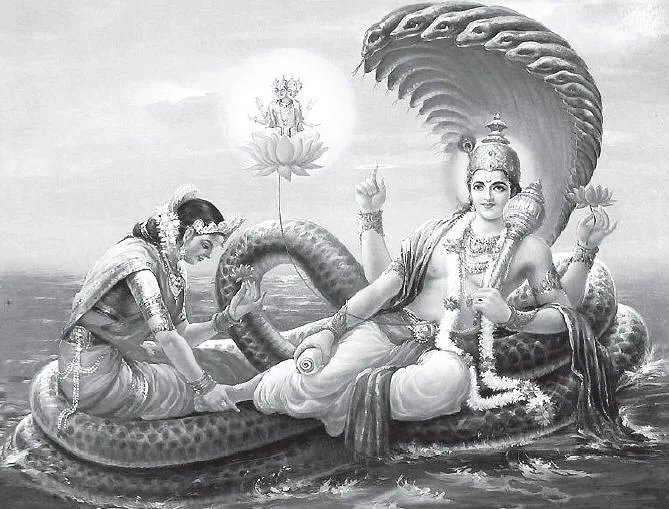
Devotees across the country are preparing to observe Apara Ekadashi, also known as Achala Ekadashi, on Friday, May 23. Falling on the Ekadashi tithi (11th lunar day) of the Krishna Paksha (waning phase) in the month of Jyestha, this sacred day is dedicated to bhagwan Vishnu and is considered highly auspicious for spiritual purification, penance, and divine grace.
This year, the occurrence of Apara Ekadashi on a Friday brings added astrological significance. According to astrologers, the day is closely associated with planet Venus (Shukra), and performing special Shukra pooja along with Vishnu worship is believed to alleviate negative planetary doshas (astrological imbalances) in one’s horoscope.
Rituals Begin from Dashami Evening
Preparations for the Ekadashi fast begin on the evening of Dashami (May 22). Devotees traditionally consume sattvic (pure and vegetarian) meals, abstaining from garlic, onion, and heavy grains. As night falls, worshippers are encouraged to meditate upon Vishnu ji and chant the sacred mantra “Om Namo Bhagavate Vasudevaya.”
Detailed Procedure for Apara Ekadashi Vrat
On the morning of Ekadashi (May 23), devotees wake up during the auspicious Brahma Muhurta (pre-dawn hours). After bathing and offering arghya to the rising sun, worship begins in the household shrine.
The rituals commence with the worship of Ganesha ji to remove obstacles, followed by the abhishek (ritual bathing) of Vishnu ji and Maa Lakshmi using items like water, milk, and dakshinavarti shankh. The deities are then adorned in yellow garments and decorated with floral garlands.
Offerings include makkhan-mishri (butter and sugar), sweets, and Tulsi leaves, which hold a special place in Vishnu worship. Taking a formal vow to observe the fast.
Fasting Guidelines and Concluding Rituals
While traditional observers of Apara Ekadashi follow a nirjala vrat, those unable to adhere strictly may consume fruits, milk, or fruit juices. Worship is performed both morning and evening, and devotees often spend the day reading or listening to the Ekadashi Mahatmya, narratives from scriptures that highlight the significance of the day.
The fast is concluded on the next day, Dwadashi (May 24), with morning prayers followed by the act of feeding the needy. Only after this charity do devotees partake in food themselves, marking the end of the spiritual observance.
Spiritual Significance of Ekadashi
Ekadashi, occurring twice a month on the 11th day of each lunar fortnight, is regarded as the “Day of Hari”, one of the most sacred tithis in the Hindu lunar calendar. It is seen as a divine opportunity for cleansing the body and mind, intensifying devotional practices, and fostering a deeper connection with the divine.
With the added planetary alignment involving Venus, this year’s Apara Ekadashi is expected to draw large numbers of devotees to temples and homes alike for a day of prayer, abstinence, and celestial grace.










Comments