





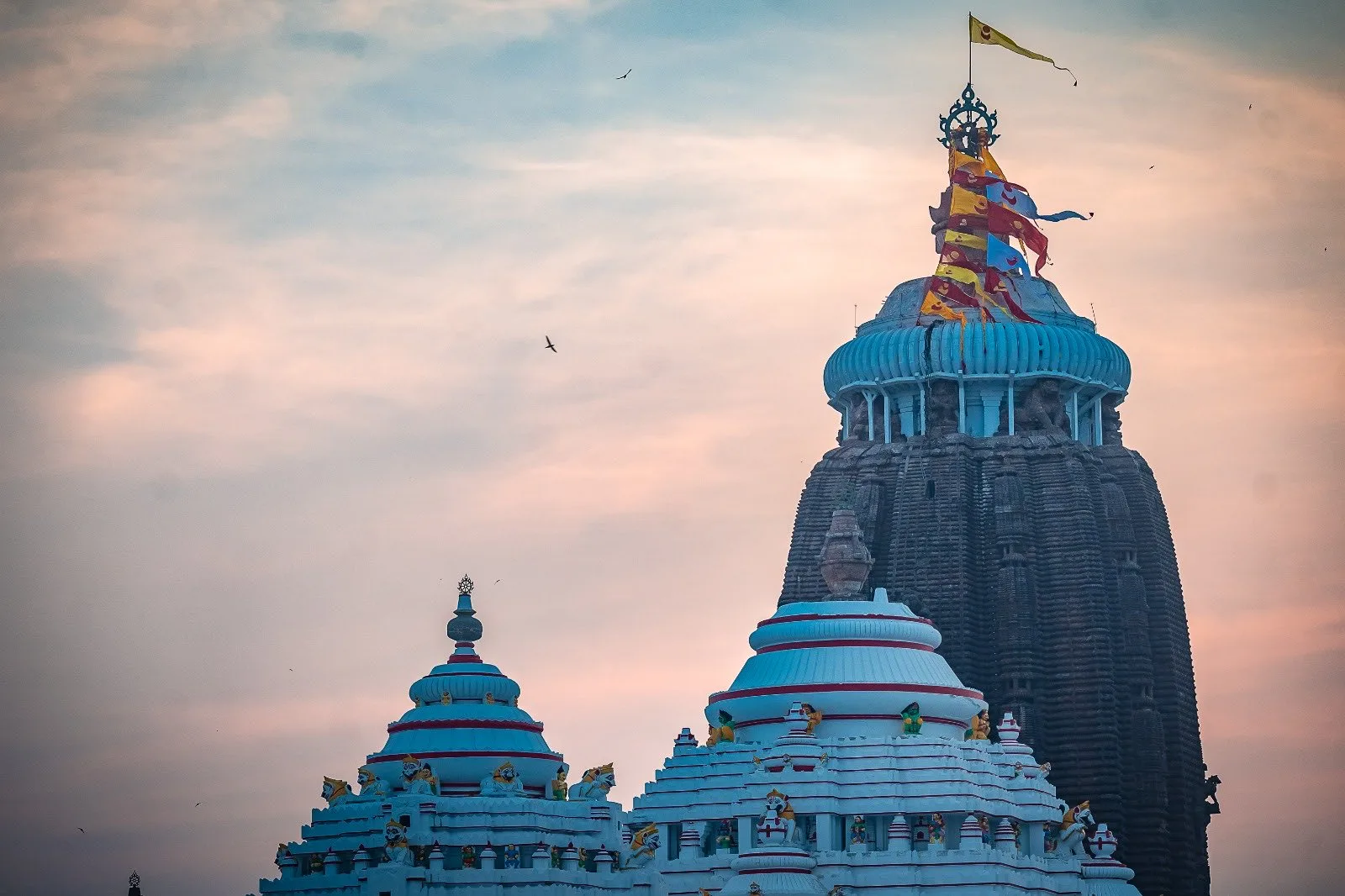
Bhubaneswar: A major religious and cultural controversy has erupted following the naming of a newly constructed Jagannath temple in Digha, West Bengal, as “Jagannath Dham.” The move has triggered strong objections from religious bodies and political leaders in Odisha, especially from the Chhatisa Nijog—a key governing body of the Shree Jagannath Temple in Puri—which has condemned the nomenclature as misleading and an affront to the sanctity of the original shrine.
In a sharply worded resolution passed during a recent meeting on Saturday, the Chhatisa Nijog urged the Odisha government to take up the issue officially with the West Bengal government. The Nijog also asked the Chief Administrator of the Shree Jagannath Temple Administration (SJTA) to seek legal counsel and consider judicial recourse to protect the sanctity and exclusive status of the original Jagannath Dham in Puri.
Senior members of the Nijog stated unequivocally that the use of the term ‘Jagannath Dham’ for the Digha temple is “entirely condemnable and misleading.” They stressed that Puri holds a historically and spiritually unique position as the only true Jagannath Dham, as recognized in sacred Hindu scriptures and centuries of religious tradition.
Adding further weight to the controversy, the Nijog also raised serious concerns regarding alleged misuse of sacred “Daru” – the divine Neem wood used during the Nabakalebara ritual, a rare and spiritually significant event in which new idols of the deities are carved at the Puri temple. Allegations have surfaced that remnants of this divine wood were improperly retained and possibly used to craft an idol for the Digha temple.
“The sacred Daru is not just wood; it is imbued with deep religious significance and must be treated with the utmost reverence. Any usage outside of prescribed rituals is unacceptable and sacrilegious,” said a senior member of the Chhatisa Nijog. They demanded a thorough investigation into the alleged mishandling of the sacred materials and called for strict punishment of any individuals found guilty.
The Nijog further accused one of the Nijogs involved in the last Nabakalebara ceremony of having kept leftover sacred wood under its sole control, a violation of established protocol. They claim this breach led to confusion and irregularities, and possibly to the unauthorized carving of another idol from the remaining Daru.
As the uproar grows, the spotlight has now turned to the SJTA, which is under immense pressure to act decisively. The Odisha Law Minister, Prithviraj Harichandan, has already directed the Chief Administrator of the SJTA to conduct an internal inquiry. Addressing media, the minister stated that while temples dedicated to Bhagwan Jagannath exist across India and abroad, the unique status of “Jagannath Dham” belongs solely to Puri.
“Using the title ‘Jagannath Dham’ for any other temple is not only misleading but also undermines the spiritual and cultural heritage of Puri. We must act swiftly to protect this legacy,” said Harichandan.
Responding to the situation, the SJTA has issued a formal notice to Ramkrushna Das Mahapatra, Secretary of the Daitapati Nijog, in connection with comments he made during a televised interview on a Bengali news channel. Mahapatra reportedly disclosed sensitive information regarding the custody and storage of sacred Daru, prompting further scrutiny from temple authorities.
According to official sources, Mahapatra will likely be questioned by the Chief Administrator regarding the accuracy and implications of his public statements. In parallel, the Shree Jagannath Temple Niti Administrator has also issued notices to the Presidents and Secretaries of all Sevayat Nijogs (traditional servitor bodies), instructing them to submit any relevant facts or opinions concerning the Digha temple issue in writing by the following day.
In a move aimed at maintaining discipline and preventing the spread of misinformation, the notice emphasized that any official or servitor intending to comment publicly on sensitive religious or administrative matters must first report the matter to temple authorities.
Amidst these developments, BJP MP from Puri, Sambit Patra, has also expressed strong disapproval of the Digha temple being referred to as “Jagannath Dham.”
Speaking to media on Saturday, Patra said, “There is only one Jagannath Dham in the world, and that is in Puri. No other place can or should be called by that name.” He reiterated that among the four holy Dhams recognized in Hinduism, Puri’s Jagannath Dham holds a preeminent position.
“As an MP from Puri and as a representative of Odisha, I await the investigation report from the temple administration, which will guide our further course of action,” Patra added.
The issue has now taken a broader cultural and emotional turn, drawing reactions from not just religious leaders but also prominent personalities. Internationally acclaimed sand artist and former temple managing committee member, Sudarsan Pattnaik, has appealed directly to the Gajapati Maharaja Dibyasingha Deb, the spiritual head of the Puri temple, to intervene.
In a heartfelt letter, Pattnaik emphasized that while the construction of new temples dedicated to Bhagwan Jagannath is laudable, labeling any other location as “Jagannath Dham” undermines the sanctity and hurts the sentiments of millions of devotees around the globe.
“As per our sacred scriptures, there is only one recognized Jagannath Dham, which is in Puri, Odisha. Using this revered title elsewhere causes religious confusion and risks diluting centuries-old traditions and spiritual identity,” wrote Pattnaik.
The letter urges the Gajapati Maharaja to take swift action to prevent such misrepresentation and to protect the cultural and spiritual heritage associated with the Puri shrine.
Meanwhile, the Odisha government and the SJTA are expected to review the findings from their inquiries and deliberate on potential legal measures. Sources indicate that administrative steps and legal action for misrepresentation and unauthorized use of sacred materials may be included in the upcoming agenda of temple management deliberations.















Comments