





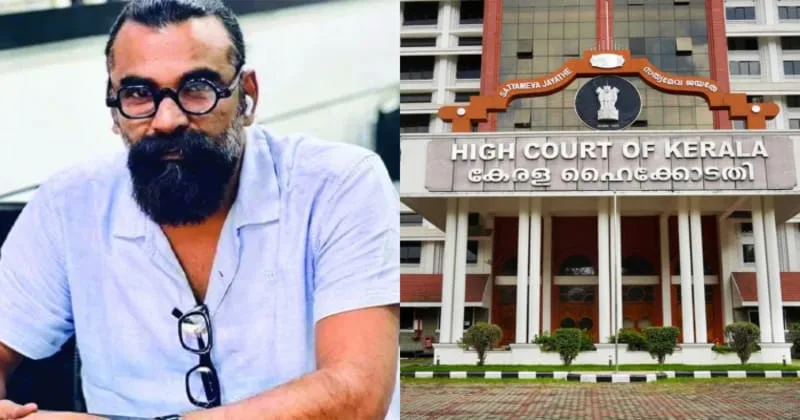
The Kerala High Court has directed the police to take “appropriate action by law” against Abdul Hakkim, who is accused of desecrating a Thulasithara (an elevated platform containing a sacred basil plant) by placing hair from his private areas on it. The incident, which allegedly offended Hindu sentiments, has sparked significant legal and social controversy.
The issue arose during the bail hearing of 32-year-old Sreeraj R A, a native of Alappuzha, who had been arrested for posting a video of the incident on his social media accounts, Facebook and Instagram. Abdul Hakkim, who was reportedly mentally ill according to some sources, is alleged to have committed the act, which was seen as an insult to Hindu traditions. Despite this, authorities had not yet registered a case against him at the time of Sreeraj’s arrest.
The court’s bench, led by Justice P V Kunhikrishnan, strongly objected to the inaction of the police, who had failed to take any action against Abdul Hakkim. The court pointed out that, while Sreeraj was arrested, Abdul Hakkim, who is believed to be the perpetrator, remained at large, and no case had been filed against him. The court raised concerns about the failure to investigate Abdul Hakkim properly, despite his ongoing activities, including running a hotel on the premises of the Guruvayur Temple.
“The Thulasithara is a sacred place in the Hindu religion, and in the video, it is clear that Abdul Hakkim desecrated it. This act would deeply offend the sentiments of Hindus,” the court observed. Justice Kunhikrishnan further questioned why Abdul Hakkim, who runs a hotel and holds a valid driver’s license, was not under investigation for his actions. He emphasized that if Abdul Hakkim were truly mentally ill, questions about how he was allowed to operate a hotel and drive a vehicle remained unexplored by the authorities.
The court also expressed its concern about the police’s treatment of the case, questioning why Abdul Hakkim, who had committed the offense, was not detained or investigated. The judge stated that the investigating officer should look into Abdul Hakkim’s mental state and whether he is fit to hold such responsibilities.
As for the charges against Sreeraj R A, he faced accusations under Section 192 (wantonly giving provocation with intent to cause a riot) of the Bharatiya Nyaya Sanhita (BNS), which was later modified to Section 196 (1)(a) (promoting enmity between different groups based on religion), and Section 120 (o) (penalty for causing public nuisance and violation of public order) of the Kerala Police Act. However, the defense argued that Sreeraj merely shared a video already circulating on social media, and that Abdul Hakkim, the actual perpetrator, was not being held accountable.
The court’s order serves as a reminder of the importance of respecting religious sentiments and ensuring that law enforcement acts promptly and impartially in such sensitive cases.














Comments