





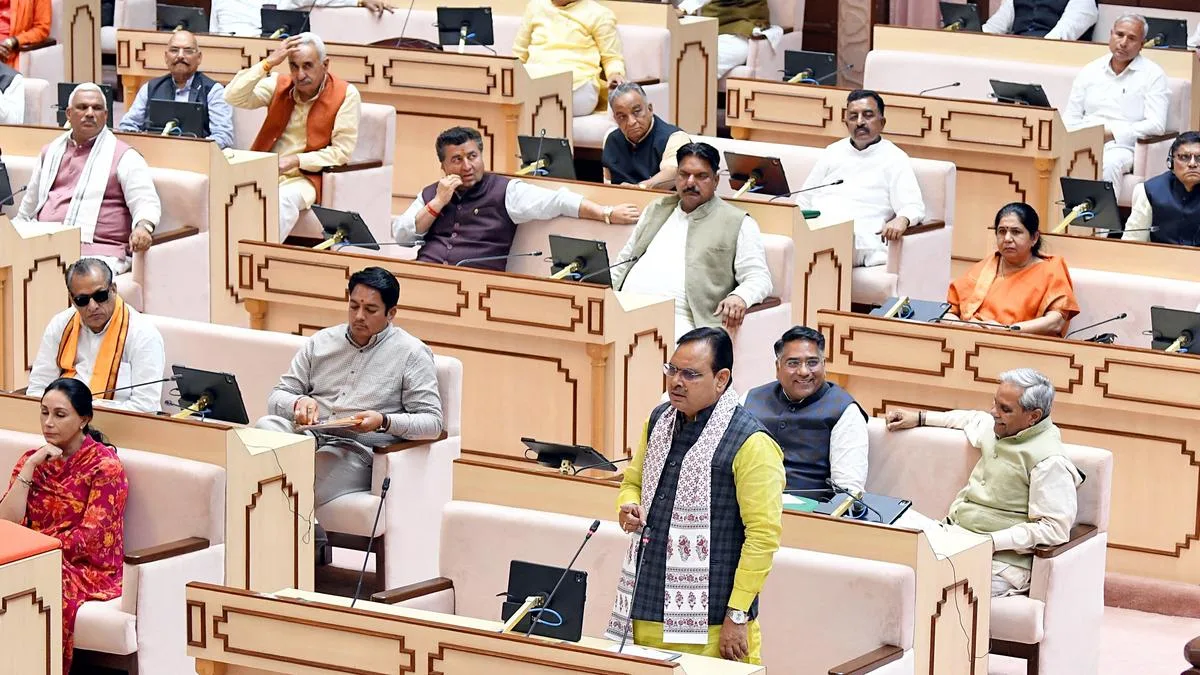
In a move aimed at curbing the unregulated operations of coaching institutes and addressing the alarming rise in student suicides, the Rajasthan government introduced the Rajasthan Coaching Centres (Control and Regulation) Bill, 2025, in the State Assembly on March 19. Deputy Chief Minister Prem Chand Bairwa, who holds the higher education portfolio, tabled the Bill, describing it as a much-needed welfare measure to protect students from excessive academic pressure, arbitrary fee structures, and lack of institutional accountability.
The introduction of the Bill comes amid growing concerns over student suicides in Kota, the country’s largest coaching hub. Official records indicate that 28 students died by suicide in 2023, followed by 17 deaths in 2024, and at least seven cases already recorded in 2025.
The high-pressure environment of competitive exam coaching for NEET, IIT-JEE, IIM, and CLAT aspirants has allegedly contributed to growing mental health issues among students, leading to widespread distress.
In response to these concerns, the proposed legislation seeks to create a structured regulatory framework that ensures coaching centres operate responsibly while providing a stress-free environment for students.
Key Provisions of the Bill
Under the proposed law, all coaching institutes with 50 or more students will be required to register, thereby bringing them under government regulation. Additionally, the Bill mandates the establishment of a Coaching Centres’ Control and Regulation Authority, which will be responsible for overseeing the implementation of the law and ensuring compliance with its provisions.
One of the most critical aspects of the Bill is the regulation of coaching fees. The government aims to prevent institutes from charging exorbitant amounts and has introduced a provision that requires coaching centres to offer refunds if students discontinue their courses. Furthermore, the Bill emphasises the creation of a state-level portal and helpline dedicated to student counselling, recognising the importance of mental health support.
To enforce compliance, the Bill proposes strict penalties:
• A fine of Rs 2 lakh for the first offence,
• A fine of Rs 5 lakh for repeat violations, and
• Cancellation of registration for continued non-compliance, effectively barring institutions from operating.
Coaching Institutes Raise Concerns
While the state government has positioned the Bill as a crucial reform, coaching institute owners in Kota, Jaipur, and Sikar have expressed concerns about its potential impact on their businesses. Many argue that fee regulation, student intake restrictions, and mandatory counselling services will increase financial burdens and disrupt operations.
Additionally, coaching centre operators fear that the imposed code of conduct, monitoring of prospectuses, and government oversight could limit their autonomy, ultimately affecting their ability to function efficiently. Some industry leaders have called for revisions in the Bill to ensure a balance between student welfare and the sustainability of the coaching ecosystem.
Next Steps: Assembly Debate on March 21
The Rajasthan State Cabinet had approved the Bill on March 8, citing the urgent need to address the “widespread disillusionment and despair” among students. Deputy CM Prem Chand Bairwa emphasised that the stress levels arising from unmet expectations often contribute to student suicides, making immediate intervention necessary.
The debate on the Bill is scheduled to take place in the Assembly on March 21, during which stakeholders, including political leaders and coaching industry representatives, are expected to present their views.
With over two lakh students arriving in Kota every year, the Rajasthan government’s move to regulate coaching centres marks a pivotal moment in the state’s education policy. As discussions progress, the challenge will be to strike a balance between ensuring student safety and addressing concerns raised by coaching institutes.














Comments