





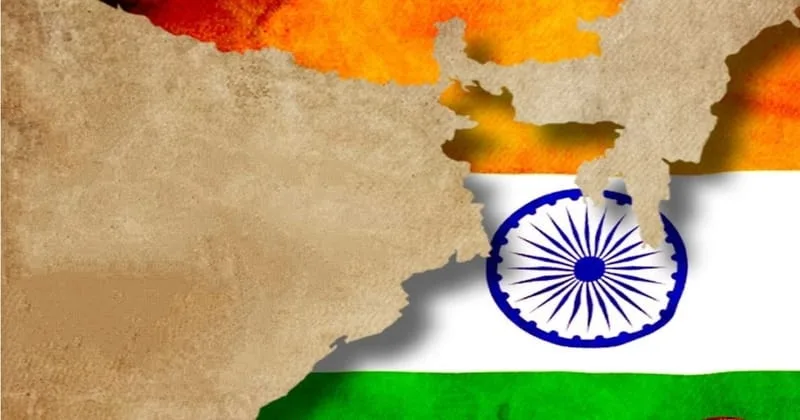
The saga of India’s struggle for independence is often dominated by the towering figures of the national movement – Gandhi, Nehru, Bose, and Patel – whose contributions are etched in the annals of history. However, this narrative often overshadows the valiant efforts of lesser-known heroes, particularly those from Northeast India. As the nation celebrates its 78th Independence Day, it is imperative to acknowledge and honour the critical, yet frequently overlooked, role that the people of Northeast India played in the fight against British colonial rule.
1. Pre-Colonial North East: A diverse and autonomous region
The North East, comprising Assam, Arunachal Pradesh, Manipur, Meghalaya, Mizoram, Nagaland, Tripura, and Sikkim, has a rich history of resistance against colonialism. Before the British set foot in the North East, the region was a mosaic of independent kingdoms and autonomous tribal communities. The Ahom Kingdom in Assam, for instance, was a powerful state that successfully resisted Mughal invasions and maintained its sovereignty until the Treaty of Yandaboo in 1826 marked its annexation by the British. The Khasi, Jaintia, and Garo tribes in Meghalaya also enjoyed a high degree of autonomy, governing themselves through intricate socio-political systems.
The British colonizers employed a combination of treaties, coercion, and military force to bring these territories under their control. By the late 19th century, most of the North East was annexed, laying the groundwork for resistance from the indigenous communities.
2. Early resistance and revolts: The spark of defiance
The people of North East India were quick to rise against British encroachment. The Khasi Rebellion (1829-1833), led by U Tirot Sing, was one of the earliest and most significant uprisings. The Khasi tribes fiercely opposed the British attempts to build a road through their territory, viewing it as a direct threat to their sovereignty. Though the rebellion was eventually suppressed, it remains a powerful symbol of resistance.
Similarly, the Kuki Rebellion (1917-1919) saw the Kukis, a prominent tribe in Manipur, Nagaland, and Mizoram, rise in revolt against British recruitment drives during World War I. The rebellion underscored the tribal communities’ fierce independence and their refusal to bow to foreign domination.
The Anglo-Manipur War of 1891, led by Prince Tikendrajit Singh, was a pivotal moment in the region’s history, showcasing the heroic resistance of Manipuri forces against British colonialism. Despite the defeat and execution of key leaders, the war remains a powerful symbol of defiance against imperial rule.
3. Participation in the Civil Disobedience Movement
The North East’s involvement in Mahatma Gandhi’s Civil Disobedience Movement was marked by widespread protests, boycotts of British goods, and refusal to pay taxes. In Assam, leaders like Nalinibala Devi played pivotal roles in mobilizing women and spreading the message of non-cooperation. The region’s participation in this nationwide movement demonstrated its commitment to the larger cause of Indian independence.
4. Indigenous Leaders: Champions of freedom
North East India produced several leaders whose contributions to the freedom struggle were extraordinary. Among them, Rani Gaidinliu, born in a Naga village in Tamenglong, Manipur, stands out. She joined the Heraka religious movement at the age of 13 and began organising resistance against British rule. Her defiance led to her arrest in 1932, and she spent 14 years in prison, earning the title of “Rani” from Jawaharlal Nehru for her courage.
U Tirot Sing, the Khasi chief, and Kanaklata Barua, a young Assamese martyr of the Quit India Movement, are other notable figures. Matmur Jamoh, an Adi warrior from Arunachal Pradesh, led a revolt that resulted in the killing of a British official, while Maniram Dewan of Assam coordinated efforts to challenge British authority, ultimately paying with his life.
These leaders, along with others like Baisnab Charan Samantray, Sarania Phukan, Aziz Ahmed, Phungzathang Tonsing, Kushal Konwar, and many more, symbolize the indomitable spirit of resistance that characterized the region.
5. World War II: North East as a strategic frontier
During World War II, the geopolitical significance of Northeast India came to the fore. The region’s proximity to Burma (now Myanmar) made it a critical front in the battle against Japanese forces, who had allied with Subhas Chandra Bose’s Indian National Army (INA). The Battles of Kohima and Imphal in 1944 were among the most significant in the Asian theatre of World War II, with the INA’s participation adding momentum to the freedom movement within the region.
6. The final push for Independence and the role of Assam
Assam played a crucial role in the Quit India Movement of 1942. The British crackdown on the movement was brutal, but it only strengthened the resolve of the Assamese people. Leaders like Gopinath Bordoloi, who later became Assam’s first chief minister, was very active in this phase of the struggle. Bordoloi’s leadership ensured that Assam’s interests were safeguarded during the tumultuous period of partition and independence.
For the tribal communities of the North East, the freedom struggle was not just a battle against British rule; it was also a defence of their land, culture, and autonomy. This period saw a heightened sense of regional identity and a refusal to be subsumed under a monolithic national narrative.
7. Post-Independence challenges and integration
The integration of North East India into the Indian Union post-1947 was a complex and often turbulent process. The region’s diverse ethnic landscape and history of resistance made it difficult to fully integrate into the new Indian state. Insurgencies in Nagaland and Mizoram reflected dissatisfaction with the terms of integration and the Union Government’s policies.
Gopinath Bordoloi’s efforts were crucial in ensuring a relatively smooth integration of Assam into India. His advocacy for Assamese rights and his role in managing the region’s affairs during partition and independence were instrumental in shaping the region’s post-independence trajectory.
In recent decades, there has been a growing recognition of the North East’s contributions to India’s freedom struggle. Statues, memorials, and academic research have increasingly focused on commemorating the sacrifices and struggles of North East India’s freedom fighters. These efforts aim to integrate their stories into the broader national narrative, ensuring that their contributions to India’s independence are recognized and remembered.
8. Cultural revival
The freedom struggle in the North East was not only a fight against colonial rule but also a cultural awakening. Movements emerged to preserve and promote indigenous languages, traditions, and art forms, reinforcing regional identities amidst colonial oppression. This cultural revival was as much about resisting British rule as it was about safeguarding and revitalizing the region’s rich heritage.
Women were central to this struggle, with figures like Kanaklata Barua and Rani Gaidinliu leading from the front. They challenged both colonial authority and traditional gender norms, paving the way for greater female participation in public life across the region.
9. Educational institutions spread modern ideas
Educational institutions in North East India, notably Cotton College in Guwahati (now Cotton University), were instrumental in the region’s participation in the freedom struggle. Established as centres of modern education, these institutions became hubs for the dissemination of nationalist ideas and political thought. They nurtured a new generation of leaders who would go on to play vital roles in the fight against British colonial rule.
During this period, the rise of regional literature also played a significant role in fuelling the independence movement. Newspapers and periodicals published in local languages became powerful instruments for spreading nationalist sentiments and mobilising the masses. These publications provided a platform for intellectuals and activists to communicate the ideals of freedom, equality, and self-governance, making them central to the broader anti-colonial struggle in the North East.
The legacy of the freedom struggle in North East India profoundly impacts contemporary issues in the region. Ongoing debates about autonomy, cultural preservation, and political representation underscore the region’s complex relationship with the Indian state. These discussions reflect the enduring quest for recognition and respect for the North East’s unique identity and historical contributions.
The North East’s role in India’s freedom movement is marked by resilience, cultural revival, and political assertion. From early resistance against British rule to pivotal World War II battles and eventual integration into independent India, the region’s history highlights its significant role in the nation’s journey to freedom. As India celebrates its independence, it is essential to remember and honour the stories of the Northeast’s freedom fighters, ensuring their contributions are acknowledged as a crucial part of the national narrative.












Comments